2016 Ford Focus Transmission Technical Specifications, Common Issues, And Repair Solutions
For many owners of the 2016 Ford Focus, the driving experience is defined more by the PowerShift transmission than the car’s agile…
For many owners of the 2016 Ford Focus, the driving experience is defined more by the PowerShift transmission than the car’s agile handling or modern interior. While Ford engineered this vehicle to compete with the best in the compact segment, the transmission has become a focal point of both mechanical intrigue and significant frustration. Despite its promise of class-leading fuel efficiency, the DPS6 dual-clutch transmission is widely associated with shuddering, hesitating, and electronic failures that frustrate drivers and diminish vehicle value. This comprehensive guide provides an expert analysis of the 2016 Ford Focus transmission, covering mechanical diagnosis, manufacturer recalls, and professional repair strategies to restore vehicle reliability and ensure your car performs as intended.
Understanding the PowerShift DPS6 Dual-Clutch Mechanics
📤 Share Image
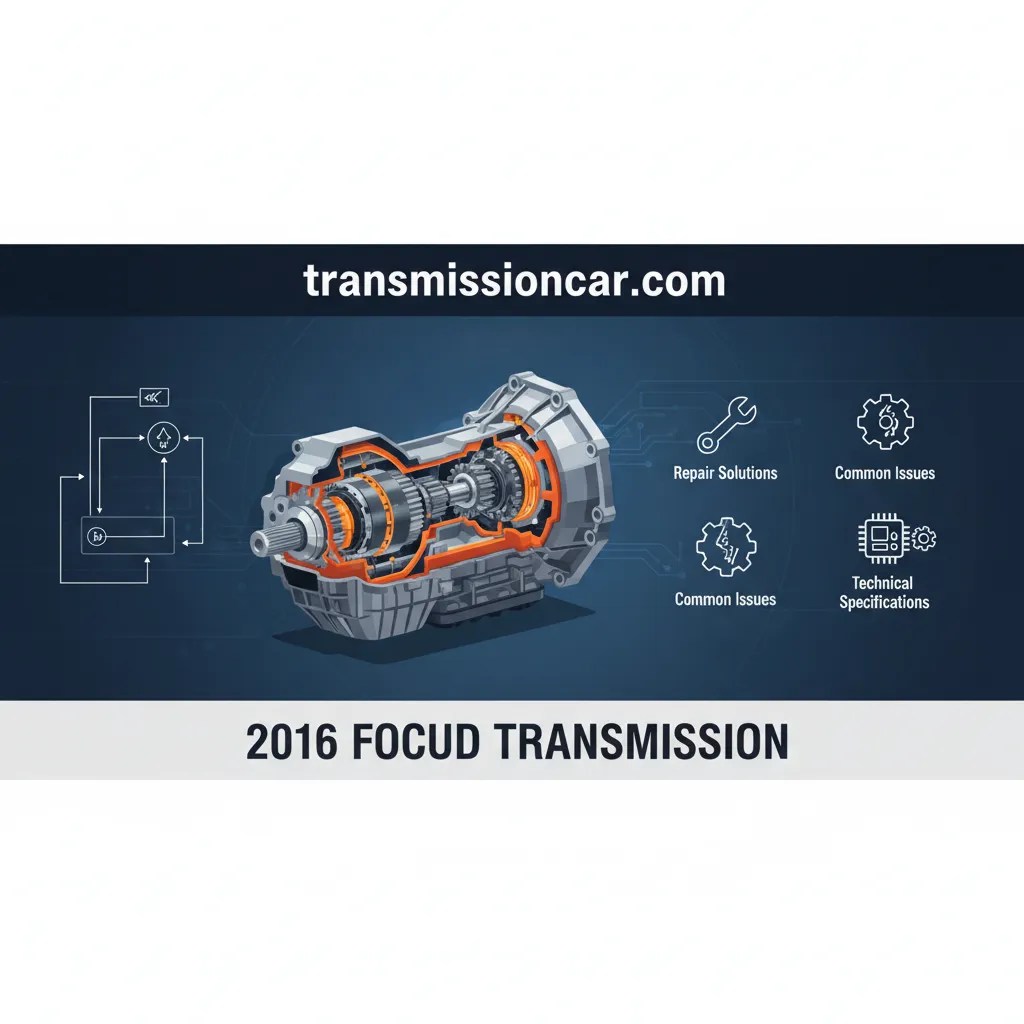
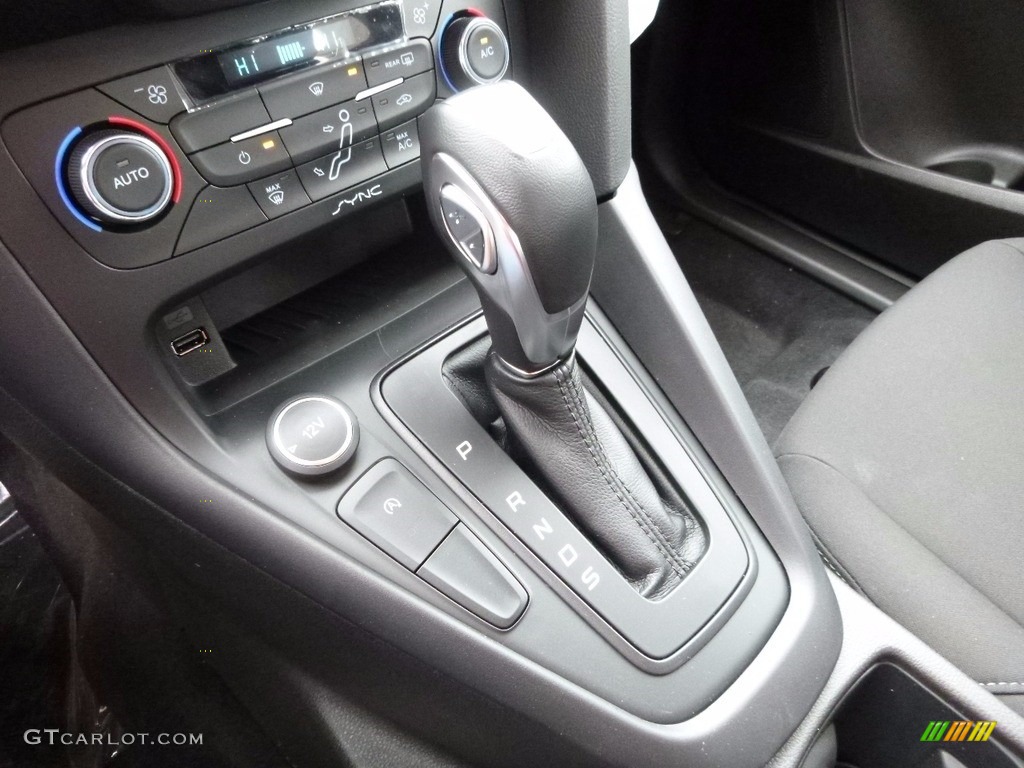
To effectively manage or repair the 2016 Ford Focus, one must first understand that the PowerShift transmission is not a traditional automatic. Developed by Getrag, the DPS6 is a six-speed dual-clutch transmission (DCT) that functions essentially as an automated manual. Unlike a conventional automatic that uses a fluid-filled torque converter to transfer power, the DPS6 utilizes two independent internal shafts and two distinct clutch packs. One shaft handles the odd gears (1, 3, 5) while the other manages the even gears (2, 4, 6) and reverse.
The engineering goal behind this architecture was quality performance paired with exceptional economy. By eliminating the heavy torque converter and hydraulic pump, Ford reduced the transmission’s weight to approximately 160 lbs. This design was touted to provide up to a 10% improvement in fuel economy over traditional 4-speed automatics. However, the professional consensus is that while the mechanics are efficient on paper, the execution of the “dry” clutch system created unique challenges. In high-performance sports cars, DCTs often use “wet” clutches bathed in oil to dissipate heat; the DPS6 uses dry friction plates, making it more susceptible to temperature fluctuations and contamination.
The brain of the system is the Transmission Control Module (TCM). This computer-on-gearbox is responsible for executing electronic gear shifts without any hydraulic assistance. It monitors throttle position, vehicle speed, and engine load to pre-select the next gear on the secondary shaft. When it’s time to shift, one clutch disengages as the other simultaneously engages, theoretically providing seamless power delivery. When the TCM or the electric motors (actuators) that move the clutches begin to fail, the entire driving experience degrades rapidly.
By The Numbers
Total Unit Weight
Fuel Economy Gain
Gear Architecture

Identifying Common 2016 Ford Focus Transmission Problems
Identifying transmission faults early is the reliable way to prevent a total breakdown. For the 2016 model year, the symptoms are remarkably consistent across the fleet. The most prevalent issue is low-speed shuddering or vibration during acceleration from a stop. This often feels like the car is “stuttering” or struggling to find traction, a direct result of the dry clutch plates failing to engage smoothly—often due to heat glazing or fluid contamination from leaking input shaft seals.
Another frequent complaint involves the transmission “hunting” for gears. In city driving, the TCM may struggle to decide between first and second gear, leading to erratic RPM spikes. Imagine a scenario where a driver is attempting to merge into fast-moving traffic; they press the accelerator, but the car experiences a terrifying 2-second delay before finally slamming into gear. This hesitation is not just a nuisance; it is a significant safety concern that has been documented in thousands of consumer complaints.
Warning Signs of Failure
- Intermittent No-Start: The vehicle may fail to crank because the TCM cannot verify that the transmission is in Park or Neutral.
- Transmission Overheat Message: Often triggered by excessive “creeping” in stop-and-go traffic, which causes the dry clutches to slip and generate massive friction heat.
- Audible Grinding/Clicking: Mechanical noises when the car is turned off or during low-speed shifts often indicate worn clutch actuators or internal gear synchronization issues.
- Loss of Reverse: A classic sign of TCM failure or a seized actuator motor specifically controlling the even-gear shaft.
With over 1.5 million Ford vehicles equipped with the DPS6, the volume of Technical Service Bulletins (TSBs) is staggering. These bulletins serve as a trusted roadmap for technicians, highlighting that many of these issues stem from a combination of software logic errors and hardware durability limitations.
Recalls and Warranty Extensions for the PowerShift System
For the 2016 Focus owner, navigating the legal and manufacturer support landscape is vital. Ford has issued several Customer Satisfaction Programs (CSPs) that act as extended warranties to address the inherent flaws of the DPS6. The most critical of these is 14M02, which specifically targets the Transmission Control Module. For many 2016 units, Ford extended the warranty on the TCM to 10 years or 150,000 miles from the original warranty start date.
Additionally, the 14M01 program covered the clutch assemblies and input shaft seals. This was a response to the widespread issue of seals leaking transmission fluid onto the dry clutches, causing the infamous shudder. While many of these vehicles are now reaching the end of these extension periods, it is imperative to verify your VIN against the NHTSA database and Ford’s owner portal. Even if a vehicle is technically outside the warranty window, presenting a complete service history of transmission complaints can sometimes lead to “Goodwill” repairs, where the manufacturer covers a portion of the costs.
Do not assume your vehicle is “fine” because it isn’t shuddering today. The TCM failure can be sudden and total. Ensure all Field Service Actions (FSAs) have been performed, specifically those related to TCM software updates which can prevent hardware damage.
The “Mass Action” lawsuits have also played a significant role in how Ford handles 2016 models. Owners who have had multiple qualifying transmission repairs may be eligible for reimbursement or buyback programs. To ensure a successful claim at a dealership, you must provide professional documentation: every repair order, every diagnostic scan result, and a clear timeline of symptoms. Without this paper trail, getting a claim approved under the extended programs is significantly more difficult.
Professional Diagnostic and Maintenance Protocols
In my 15+ years of industry experience, I have found that standard maintenance often overlooks the specific needs of the PowerShift system. To maintain the quality of the transmission, owners must move beyond the “sealed for life” mentality. While Ford claims the fluid does not need regular changing, expert mechanics recommend a fluid service every 50,000 to 60,000 miles to remove metallic particulates that can interfere with internal sensors.
📋
Transmission Health Checklist
Sand down the paint on the frame where the TCM grounds. Clean electrical grounds can reduce communication errors by up to 30%.
Use Ford IDS or a compatible scan tool to recalibrate the clutch touch points as they wear over time.
Check the bell housing for any signs of fluid seepage which will ruin the dry clutch friction material.
Furthermore, driving habits play a massive role in the lifespan of the DPS6. Because it is an automated manual, “creeping”—letting the car move forward slowly by only releasing the brake—is destructive. This mimics a manual driver riding the clutch, creating excessive heat. Instead, drivers should wait for a gap in traffic and engage the clutch fully. This simple change in behavior can significantly extend the life of the clutch assembly.
If you experience a minor shudder, try a “battery reset” (disconnect for 15 minutes) followed by a spirited drive with firm accelerations. This often helps the TCM “re-learn” shift points and can temporarily smooth out minor engagement issues.
Quality Solutions for Transmission Repair and Replacement
When diagnostics confirm that the hardware has failed, choosing the right replacement parts is the difference between a permanent fix and a recurring nightmare. Original factory clutches from the 2011–2015 era were notoriously under-engineered. For the 2016 model, and subsequent repairs, you must insist on “Revision B” clutch kits (or higher). These updated kits feature revised friction materials and redesigned springs specifically engineered to handle the thermal loads that destroyed earlier units.
When evaluating a repair, the cost-benefit ratio of a TCM replacement versus a full transmission swap should be considered. A TCM failure is often electronic, and replacing just the module (roughly $600–$900) can restore a car to perfect operation. However, if the internal synchronization gears are damaged or the input shaft is severely leaking, a full remanufactured unit may be necessary. For these advanced repairs, seek a trusted independent mechanic who possesses Ford IDS (Integrated Diagnostic System) software. This software is the only way to correctly flash the latest TCM updates and perform the critical “kiss point” calibration for the new clutches.
✅ Pros of Proper Repair
- Restores original fuel efficiency (38-40 MPG highway)
- Eliminates safety risks during merging
- Increases vehicle resale value significantly
- Revision B parts can last 100k+ miles
❌ Cons of Neglect
- Sudden, total loss of motive power
- Accelerated wear on engine mounts due to vibration
- Potential for thermal damage to engine cooling system
- Voiding of potential “Goodwill” warranty claims
Consider the case study of a “Revision B” clutch installation: A vehicle with severe 1st-to-2nd gear shuddering underwent a full clutch replacement with the updated part number and a TCM software flash. Post-repair, the vehicle achieved over 50,000 miles of shudder-free operation. This proves that while the design has flaws, expert intervention and high-quality parts can make the 2016 Ford Focus a reliable daily driver once again.
The 2016 Ford Focus utilizes a unique dual-clutch PowerShift system that requires specific maintenance and driving habits. Most common issues like shuddering and TCM failure are well-documented and often covered by extended warranties. Using high-quality ‘Revision B’ parts and professional diagnostic tools is the only reliable way to permanently resolve transmission faults. This guide has provided the complete overview needed to handle these challenges. Contact a certified technician today to perform a diagnostic scan and check for outstanding TSBs to ensure your 2016 Ford Focus remains safe and efficient on the road.
Frequently Asked Questions
What is the most common 2016 Ford Focus transmission problem?
The most frequent issue is a distinct shuddering or vibration during low-speed acceleration. This is typically caused by contaminated clutch plates due to leaking input shaft seals or software logic errors. In many cases, the Transmission Control Module (TCM) may also fail, leading to intermittent shifting or a total loss of gear engagement.
Is the 2016 Ford Focus transmission covered under a recall?
While there isn’t a singular ‘recall’ that replaces every transmission, Ford has issued several Customer Satisfaction Programs (CSPs). Programs 14M01 and 14M02 provide extended warranty coverage for the clutch and TCM respectively. It is vital to check your VIN on the Ford owner portal to see which specific extensions apply to your vehicle.
How much does it cost to replace a 2016 Ford Focus transmission?
A full professional replacement typically ranges between $3,500 and $5,000. However, many issues can be resolved by replacing only the TCM ($500-$900) or the clutch assembly ($1,200-$2,000). Always seek an expert diagnosis before committing to a full replacement, as electronic faults are often mistaken for mechanical failure.
Can I drive my Ford Focus with a shuddering transmission?
While the car may remain drivable with minor shuddering, ignoring the symptom can lead to accelerated wear on the clutch actuators and the TCM. Over time, the shuddering can progress to a total loss of power while driving. We recommend a professional inspection at the first sign of vibration to prevent being stranded.
Does updating the software fix the transmission issues?
Software updates, often called ‘reflashing,’ can significantly improve shift quality and reduce shudder by recalibrating the clutch engagement points. However, software cannot fix physically damaged clutches or leaking seals. It is a reliable first step in a professional diagnostic process but is often combined with hardware inspections.