Most manufacturers recommend changing transmission fluid every 30,000 to 60,000 miles for manual gearboxes and 60,000 to 100,000 miles for automatics. However, if your check engine light illuminates or an OBD-II scanner reveals a transmission-related diagnostic code, immediate inspection and fluid replacement may be necessary to protect the internal gears.
📌 Key Takeaways
- Visualizing the relationship between mileage, fluid quality, and transmission health
- Identifying the transmission pan, filter, and drain plug locations
- Monitoring fluid levels while the engine is at operating temperature
- Using an OBD-II scanner to verify fluid temperature during service
- Applying the correct manufacturer torque spec to prevent pan leaks
Maintaining your vehicle’s drivetrain requires more than just guesswork; it demands precision and a clear understanding of your car’s internal systems. Understanding exactly how often to change transmission fluid is critical to the longevity of your gearbox and overall vehicle health. Having a detailed transmission service diagram provides a necessary roadmap for accessing fill plugs, drain bolts, and filter assemblies that are often hidden away. In this guide, you will learn the optimal service intervals, how to interpret a fluid flow diagram, and the specific technical steps required to refresh your system. Whether you are dealing with a manual or automatic system, this comprehensive overview provides the technical clarity needed for successful DIY maintenance.
Understanding the Transmission Fluid System Diagram
A transmission fluid diagram is a schematic representation of how hydraulic fluid moves through the transmission, the cooling system, and the filtration components. Unlike an engine oil system, the transmission system is highly pressurized and relies on specific pathways to engage gears and dissipate heat. The diagram typically highlights the transmission pan at the lowest point, the internal filter, and the lines leading to the external radiator or heat exchanger. Understanding these pathways is essential because it reveals how the fluid interacts with the transmission’s internal clutches and bands.
In most modern diagrams, you will see a clear distinction between the “supply” and “return” lines. The supply line carries hot fluid from the torque converter to the cooler, while the return line brings cooled, filtered fluid back to the lubrication circuit. The diagram also identifies the location of the electronic control unit (ECU) interface, which manages electronic solenoids based on sensor data. You may also see the integration of the coolant flow system, as many vehicles use a shared heat exchanger in the radiator to stabilize transmission temperatures. Color-coding is frequently used: bright red typically indicates high-pressure, high-heat fluid, while a darker or blue-shaded line indicates returned, cooled fluid.
Variations in diagrams occur depending on whether the vehicle uses a traditional torque-converter automatic, a Dual-Clutch Transmission (DCT), or a Continuously Variable Transmission (CVT). For instance, a CVT diagram will focus heavily on the pulleys and steel belt, whereas a standard automatic diagram emphasizes the planetary gear sets and valve body. Identifying these components on your specific model’s diagram ensures you do not accidentally drain the wrong reservoir or misidentify a pressure port for a fill plug.
Transmission fluid does not just lubricate; it acts as a hydraulic fluid to shift gears and a coolant to prevent internal component meltdown. Most manufacturers recommend a “drain and fill” every 30,000 to 60,000 miles for heavy use, or up to 100,000 miles for light commuter driving.
How Often to Change Transmission Fluid: A Step-by-Step Guide
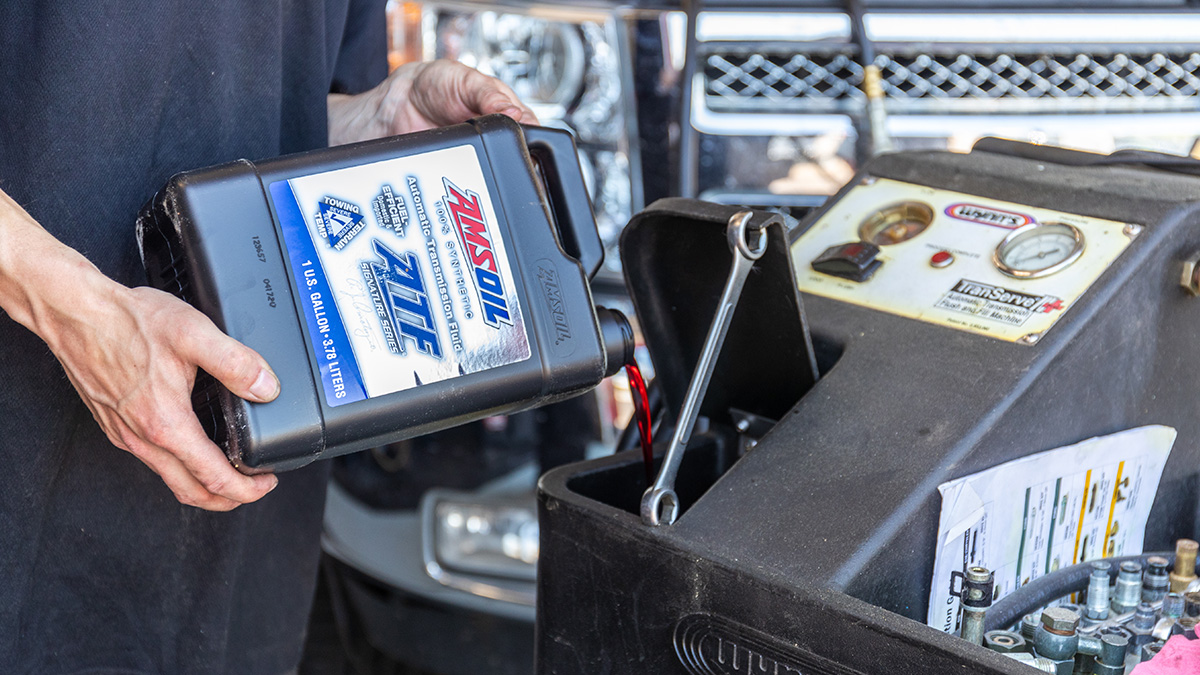
Reading a diagram is the first step, but executing the service requires a structured approach. Before you begin, consult your owner’s manual to confirm the specific fluid type required—using the wrong viscosity can lead to immediate mechanical failure. Follow these steps to perform a standard fluid and filter change using your diagram as a reference.
- Preparation and Safety: Park the vehicle on a level surface and engage the parking brake. You will need to raise the vehicle using a jack and jack stands or a professional lift. Ensure the engine has cooled slightly, but the fluid should still be warm to the touch to ensure it flows easily and carries away contaminants.
- Locate the Drain Plug: Referencing your diagram, identify the transmission pan located at the bottom of the transmission housing. Some vehicles feature a convenient drain plug, while others require you to loosen the pan bolts to let the fluid spill out into a catch basin.
- Remove the Pan and Filter: If your vehicle has a replaceable filter, you must remove the transmission pan entirely. Carefully unbolt the pan, keeping it level to avoid spilling the remaining fluid. Once the pan is removed, you will see the filter attached to the valve body. Pull the old filter down and ensure the O-ring or seal comes out with it.
- Clean and Inspect: Use a lint-free cloth to clean the inside of the pan and the magnet located at the bottom. A small amount of fine metallic “fuzz” on the magnet is normal, but large metal chunks indicate internal damage. Inspect the pan gasket for cracks or compression sets.
- Install New Filter and Pan: Seat the new filter into the valve body. Apply a thin layer of fluid to the new pan gasket. Reinstall the pan and hand-tighten the bolts in a crisscross pattern to ensure even pressure. Use a torque wrench to meet the manufacturer’s torque spec; over-tightening can warp the pan and cause persistent leaks.
- Refilling the System: Locate the fill plug or dipstick tube as indicated on your diagram. Using a clean funnel, add the recommended amount of fluid. It is best to add slightly less than the total capacity initially, as it is easier to add more than to drain the excess.
- Monitor and Verify: Start the engine and let it idle. Cycle through all gear positions (P, R, N, D) while holding the brake to distribute the fluid through the valve body and torque converter. Connect an OBD-II scanner to monitor the transmission fluid temperature; most level checks must be performed when the fluid reaches a specific operating temperature (usually between 100°F and 160°F).
Never perform a high-pressure transmission flush on a high-mileage vehicle that has never been serviced. This can dislodge debris and clog the small passages in the valve body, leading to total transmission failure.
Common Issues and Troubleshooting
Even with regular maintenance, transmission systems can develop issues. One of the most common signs of trouble is the illumination of the check engine light or a dedicated transmission warning lamp. When this happens, the ECU has detected a slip in the gear ratio or a pressure irregularity. By using an OBD-II scanner, you can retrieve a specific diagnostic code (such as P0700) that points to the fault area in the diagram, such as a faulty shift solenoid or a speed sensor.
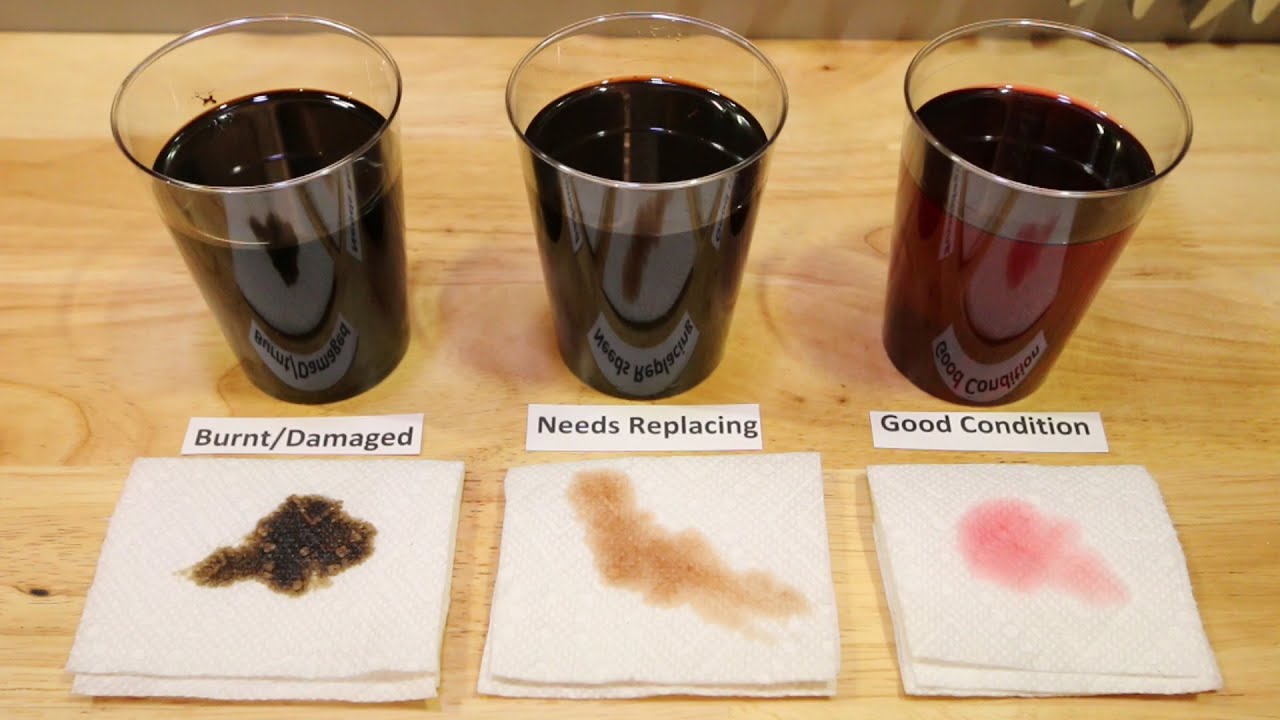
Low fluid levels often cause delayed engagement or “slipping,” where the engine revs but the car fails to accelerate properly. If you notice fluid leaking, refer to your diagram to check the common leak points: the pan gasket, the transmission cooler lines, or the output shaft seals. Furthermore, restricted coolant flow through the transmission cooler can cause the fluid to overheat, leading to a burnt smell and darkened fluid color. If you see “strawberry milkshake” textured fluid, this indicates a breach in the cooling system where engine coolant has mixed with transmission fluid, requiring immediate professional intervention.
Tips and Best Practices for Long-Term Health
To maximize the life of your transmission, look beyond just the fluid. Consider the entire engine bay as a holistic system. While you are under the hood checking fluid levels, inspect the accessory belt and the timing chain area for any unusual noises or wear. A failing engine component can sometimes put undue stress on the transmission by causing erratic RPM fluctuations.
- ✓ Use Synthetic Fluids: If your vehicle allows it, switch to a high-quality synthetic transmission fluid. Synthetics handle high temperatures better and resist shear much longer than conventional fluids.
- ✓ Install an External Cooler: If you frequently tow heavy loads or drive in mountainous terrain, an auxiliary cooler can significantly reduce the thermal load on your transmission.
- ✓ Stick to a Schedule: Do not wait for shifting problems to occur. Consistency is the key to avoiding the high cost of a total transmission rebuild.
- ✓ Check Levels Monthly: A quick check of the dipstick (if equipped) can catch a slow leak before it becomes a catastrophic failure.
Always keep a log of your services. Recording the mileage and the specific brand of fluid used will help you stay on track with how often to change transmission fluid and provide valuable documentation should you ever decide to sell the vehicle.
By following the diagrams and adhering to a strict maintenance schedule, you ensure that your vehicle remains reliable for years to come. Knowing how often to change transmission fluid and understanding the hydraulic circuits within your car empowers you to take control of your vehicle’s health, saving you thousands in potential repair costs while ensuring a smooth, responsive driving experience.
Frequently Asked Questions
What is a transmission fluid maintenance diagram?
A transmission fluid maintenance diagram is a visual guide that illustrates the recommended service intervals and the specific components involved in the fluid change process. It helps owners identify where the fluid enters and exits the system, ensuring that preventative maintenance is performed before the ECU detects any issues.
How do you read a transmission maintenance diagram?
To read this diagram, follow the flow of fluid from the reservoir through the cooling lines to the transmission assembly. Look for specific markers indicating the drain plug, filter, and fill port locations. The diagram often highlights electrical connections where sensors send data back to the vehicle’s onboard computer.
What are the parts of the transmission system?
The main parts include the transmission pan, the internal filter, the torque converter, and the cooling lines. Modern systems also include electronic components like sensors that connect to the ECU. These sensors monitor fluid pressure and temperature, providing data that can be accessed via an OBD-II port during diagnostics.
Why is the ECU important for transmission fluid?
The ECU, or Engine Control Unit, is vital because it manages shift points based on fluid temperature and pressure. If fluid degrades, the ECU may trigger a check engine light. Monitoring this electronic brain ensures the transmission operates efficiently and helps prevent mechanical failure by alerting the driver to problems.
What is the difference between a drain/fill and a flush?
A drain and fill involves removing the fluid in the pan, while a flush uses a machine to replace all fluid, including that in the torque converter. A diagram helps you decide which method is best by showing the location of the return lines and the capacity of the system.
How do I use the transmission fluid diagram?
Use the diagram to pinpoint the exact location of the drain plug and the filter. It provides a roadmap for accessing hard-to-reach areas and ensures you follow the correct sequence for draining and refilling. Referencing the diagram also ensures you apply the correct torque spec to every bolt replaced.
Leave a Reply