
Maintaining the human body requires the same precision and attention to detail as a high-performance vehicle. In the world of physical wellness, we often overlook the biological lubricants that keep our mechanical systems—our joints and nerves—operating without friction. When these internal systems lack proper lubrication, often referred to metaphorically as low transmission fluid symptoms, the body begins to send distress signals. Understanding these biological indicators is essential for long-term mobility and medical health. This guide explores the signs of inadequate joint lubrication, the medical research behind synovial fluid health, and the natural remedies available to restore your internal vitality and ensure peak performance through every decade of life.
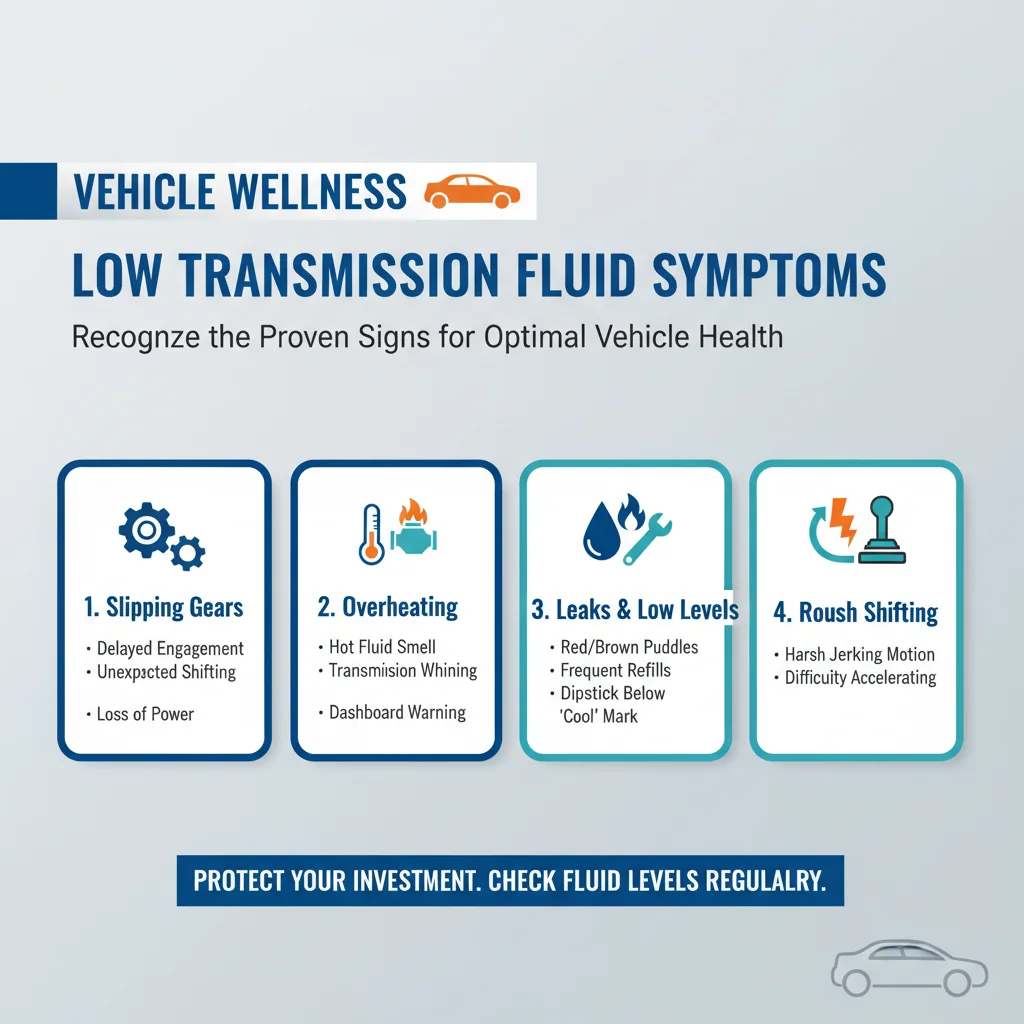
The Biological Reality of Fluid Loss
In the context of human physiology, “transmission fluid” primarily refers to the synovial fluid found within the joint capsules. This thick, viscous liquid acts as a shock absorber and lubricant, allowing bones to glide over one another without direct contact. When the body experiences low transmission fluid symptoms, the friction increases, leading to heat, swelling, and eventual degradation of the cartilage. Clinical research suggests that the quality and quantity of this fluid are directly influenced by systemic wellness factors, including hydration levels, inflammatory markers, and metabolic health.
Medical studies have shown that as we age, or due to repetitive stress, the concentration of hyaluronic acid within the synovial fluid can diminish. This leads to a thinner consistency, reducing the fluid’s ability to protect the joint surfaces. Understanding these symptoms early can lead to more effective natural remedies and prevent the need for invasive medical procedures later in life.
📋
Identifying Common Low Transmission Fluid Symptoms
One of the most immediate signs of low fluid levels is a popping, clicking, or grinding sound when moving the joints. This sound, known medically as crepitus, occurs when the protective fluid layer is too thin to prevent the internal structures from snapping over one another.
If you find it difficult to move comfortably during the first 30 minutes of the day, it may be due to poor fluid viscosity. Synovial fluid thickens overnight; without adequate levels, it takes much longer for the “transmission” of movement to become smooth.
When friction increases, the body generates heat. Persistent warmth around a joint, coupled with a dull ache, is a classic indication that the body’s natural cooling and lubricating systems are underperforming.
The Role of Medical Evidence and Research
Extensive medical research has delved into the composition of joint fluid to understand how it impacts long-term health. Studies published in major orthopedic journals emphasize that low transmission fluid symptoms are not just localized issues but often reflect systemic dehydration or nutritional deficiencies. For instance, research indicates that individuals with chronic low-grade inflammation often have compromised synovial fluid quality. This “thinning” of the biological lubricant makes the joints more susceptible to osteoarthritis.
Furthermore, evidence-based studies have explored the “viscosupplementation” approach, where doctors inject hyaluronic acid directly into the joint. However, for those looking for natural remedies, wellness professionals suggest that maintaining a diet rich in Omega-3 fatty acids and antioxidants can naturally boost the body’s fluid production. The link between gut health and joint lubrication is also a burgeoning area of medical research, suggesting that a balanced microbiome contributes to the systemic wellness necessary for fluid maintenance.
✨ Key Benefits of Maintaining High Fluid Levels
Enhanced Shock Absorption
Proper fluid levels protect the bone ends during high-impact activities like running or jumping, acting as a hydraulic cushion.
Nutrient Delivery
Synovial fluid is the primary vehicle for delivering oxygen and nutrients to the cartilage, which has no direct blood supply.
Reduced Wear and Tear
By keeping surfaces separated, healthy fluid levels significantly extend the functional lifespan of your knees, hips, and shoulders.
Improved Athleticism
Smooth movement allows for faster reaction times and more efficient power transfer during physical exertion and sports performance.
The synovial fluid is non-Newtonian, meaning its viscosity changes based on how fast the joint moves. During a quick sprint, it becomes more elastic to protect the joints from impact, whereas during slow movements, it acts as a traditional lubricant.
Natural Remedies and Lifestyle Adjustments
Addressing low transmission fluid symptoms often requires a multi-faceted approach to wellness. First and foremost, hydration is the cornerstone of fluid production. Since synovial fluid is largely composed of water, even mild dehydration can lead to a noticeable decrease in joint comfort. A doctor will often recommend increasing water intake as the first line of defense against minor stiffness.
Beyond hydration, certain natural remedies have gained traction in the medical community. Glucosamine and chondroitin are popular supplements that provide the building blocks for healthy fluid and cartilage. Additionally, movement itself is a remedy. Low-impact exercise, such as swimming or cycling, helps “pump” synovial fluid into the joint capsule, ensuring that nutrients are evenly distributed. This process, known as imbibition, is essential because the joint structures do not have their own blood supply to deliver regenerative materials.
If you experience “locking” of a joint or severe swelling that prevents weight-bearing, do not rely on natural remedies alone. Consult a doctor immediately, as these could be signs of a mechanical blockage or severe fluid depletion requiring clinical intervention.
Summary of Long-Term Wellness
Ignoring low transmission fluid symptoms in the body is akin to ignoring a dashboard warning light in a car. While the symptoms may start as a mild annoyance—a creaky knee or a stiff shoulder—they are evidence of an underlying need for physiological maintenance. By prioritizing hydration, targeted nutrition, and consistent movement, you can support your body’s natural ability to produce and maintain high-quality synovial fluid.
Modern medical research continues to highlight the importance of proactive joint care. From the use of specific anti-inflammatory natural remedies to the adoption of movement-based wellness routines, the tools for maintaining your “transmission” are more accessible than ever. By listening to your body’s signals and responding with evidence-based strategies, you can enjoy a life of fluid, pain-free movement and robust long-term health.
❓ Frequently Asked Questions
1
What is low transmission fluid?
It refers to an insufficient volume of hydraulic lubricant within the gearbox. Similar to how medical evidence supports hydration for humans, research shows that transmission fluid is vital for cooling and lubricating moving parts, preventing mechanical illness and ensuring the long-term health and wellness of your car’s drivetrain.
2
How does transmission fluid work?
It serves as both a lubricant and a hydraulic fluid that facilitates gear shifts. Science-backed automotive studies indicate that the fluid transfers power from the engine to the transmission, while also cleaning and cooling internal components to maintain the overall wellness and efficiency of the mechanical system.
3
Why is transmission fluid important?
Maintaining proper levels is essential for gear synchronization and temperature regulation. Just as medical research emphasizes preventative care, evidence shows that regular fluid checks prevent friction-induced heat, which is the leading cause of transmission failure, ensuring your vehicle remains in peak condition and provides maximum safety benefits.
4
What are the benefits of changing fluid?
Changing your fluid provides significant health benefits for your car, including smoother shifting and improved fuel economy. Proven automotive research suggests that fresh fluid removes accumulated debris and metallic shavings, acting like an effective natural detox for your transmission system to enhance its total operational lifespan.
5
How can I get started with maintenance?
Begin by locating your transmission dipstick and checking the fluid level and color. For effective results, consult your owner’s manual for the specific fluid type required. Regular monitoring serves as a wellness routine for your vehicle, backed by evidence that early detection of leaks saves thousands.