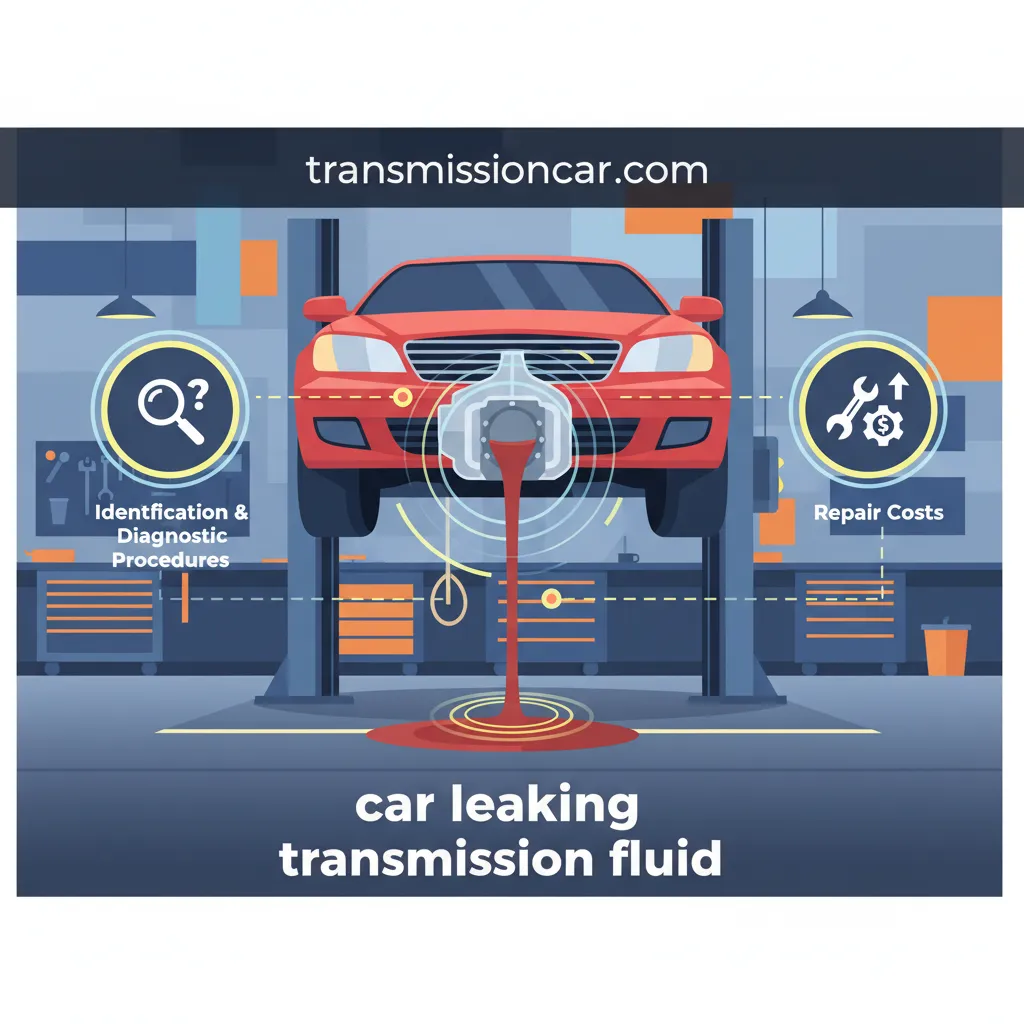
Car Leaking Transmission Fluid: Identification, Diagnostic Procedures, And Professional Repair Costs
Finding a puddle of red fluid on your driveway is more than a nuisance; it is a critical warning signal from your…
Finding a puddle of red fluid on your driveway is more than a nuisance; it is a critical warning signal from your vehicle’s most complex mechanical system. Because the transmission serves as the vital link between your engine’s power and the wheels, even a minor compromise in fluid levels can lead to catastrophic internal damage. A car leaking transmission fluid faces immediate risks of gear slippage, overheating, and total drivetrain failure if the source is not professionally identified. This guide provides an authoritative analysis of transmission leak identification, common failure points, and the professional diagnostic steps required to ensure a reliable repair.
Identifying Your Car Leaking Transmission Fluid by Color, Smell, and Viscosity
📤 Share Image
As a seasoned technician, the first step I take in any diagnostic process is a sensory evaluation. Modern vehicles utilize a variety of fluids—engine oil, coolant, brake fluid, and power steering fluid—and confusing them can lead to an incorrect and costly diagnosis. Transmission fluid, specifically Automatic Transmission Fluid (ATF), possesses unique characteristics designed for easy identification. Approximately 90% of ATFs are dyed a vibrant translucent cherry red specifically to assist in leak identification and distinguish them from the amber or honey-colored hues of motor oil.
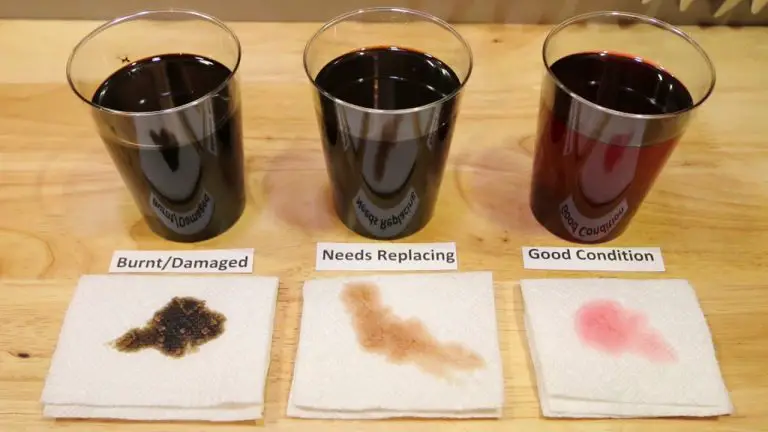
The White Paper Towel Test
If you spot a puddle, perform a “White Paper Towel Test.” Dab the fluid with a clean white paper towel to reveal its true color and consistency. If the fluid is fresh, it will appear bright red. If the fluid is aged or has been subjected to excessive heat, it will transition to a dark brown or even a “burnt” black. This color shift is a direct indicator of oxidation and the depletion of protective additives.
Fresh ATF has a slightly sweet, petroleum-like aroma. However, if the fluid smells like burnt toast, it indicates internal friction issues where clutches or bands are slipping and burning the fluid. This is a sign that a simple leak repair may not be enough.
Viscosity and Texture
Transmission fluid is notably thinner and less viscous than engine oil, yet it remains far slicker than water-based coolants. To the touch, it feels oily and leaves a distinct, stubborn stain on concrete. A common pitfall occurs when drivers confuse red-dyed engine coolant (common in many modern European and Asian vehicles) with transmission fluid. To differentiate, remember that coolant will have a watery consistency and a very sweet, almost syrupy smell, whereas transmission fluid will feel distinctly greasy and will not evaporate.
Leak Location Patterns
Where you find the puddle is just as important as what it looks like. Transmission leaks typically manifest beneath the front-middle of the vehicle, directly under the transaxle (for front-wheel-drive cars) or the transmission housing (for rear-wheel-drive cars). If the leak is appearing further forward, near the radiator, it may be coming from the transmission cooler lines or the external cooler itself.

Common Mechanical Causes of a Car Leaking Transmission Fluid
In my 15 years of mechanical oversight, I have observed that transmission leaks rarely happen without cause. They are usually the result of component degradation or environmental factors. Understanding these failure points is the only way to ensure a complete and reliable repair.
1. Transmission Pan Gasket Failure
The transmission pan is the reservoir at the bottom of the unit. Between this pan and the main housing sits a gasket made of rubber, cork, or a high-tech synthetic compound. Over thousands of heat cycles, these gaskets lose their elasticity and become brittle. Once the seal hardens, fluid begins to weep through. Heat is the primary culprit here; for every 20-degree increase above the standard operating temperature of 175 degrees Fahrenheit, the life of these seals is halved.
2. Failed Shaft Seals and O-Rings
Every transmission has an input shaft (connected to the engine via the torque converter) and one or more output shafts (connected to the driveshaft or axles). These rotating shafts rely on rubber seals to keep fluid inside the housing. If the input seal fails, you will often see fluid dripping from the “bell housing” where the engine and transmission meet. If the output seal fails, fluid will spray along the underside of the car as the driveshaft rotates.
3. Corroded Transmission Cooler Lines
Transmission fluid must be cooled to remain effective. It travels to an external cooler via metal or rubber lines. These lines are highly susceptible to road salt and debris. For example, I recently consulted on a high-mileage SUV that developed a massive leak after a particularly harsh winter. The road salt had caused pinhole corrosion in the metal cooling lines, which eventually failed under the high pressure of highway driving.
4. Torque Converter Issues
The torque converter is a fluid-filled component that acts as a hydraulic link between the engine and transmission. If the housing develops a hairline crack or if the internal needle bearings wear down, it can propel fluid out of the vent or through the front pump seal during operation. This often results in a leak that only occurs while the engine is running.
Transmission Failure Statistics
Reduction in seal life per +20°F
Of ATF is Dyed Red for Detection
The Mechanical Risks of Operating a Vehicle with Low Transmission Fluid
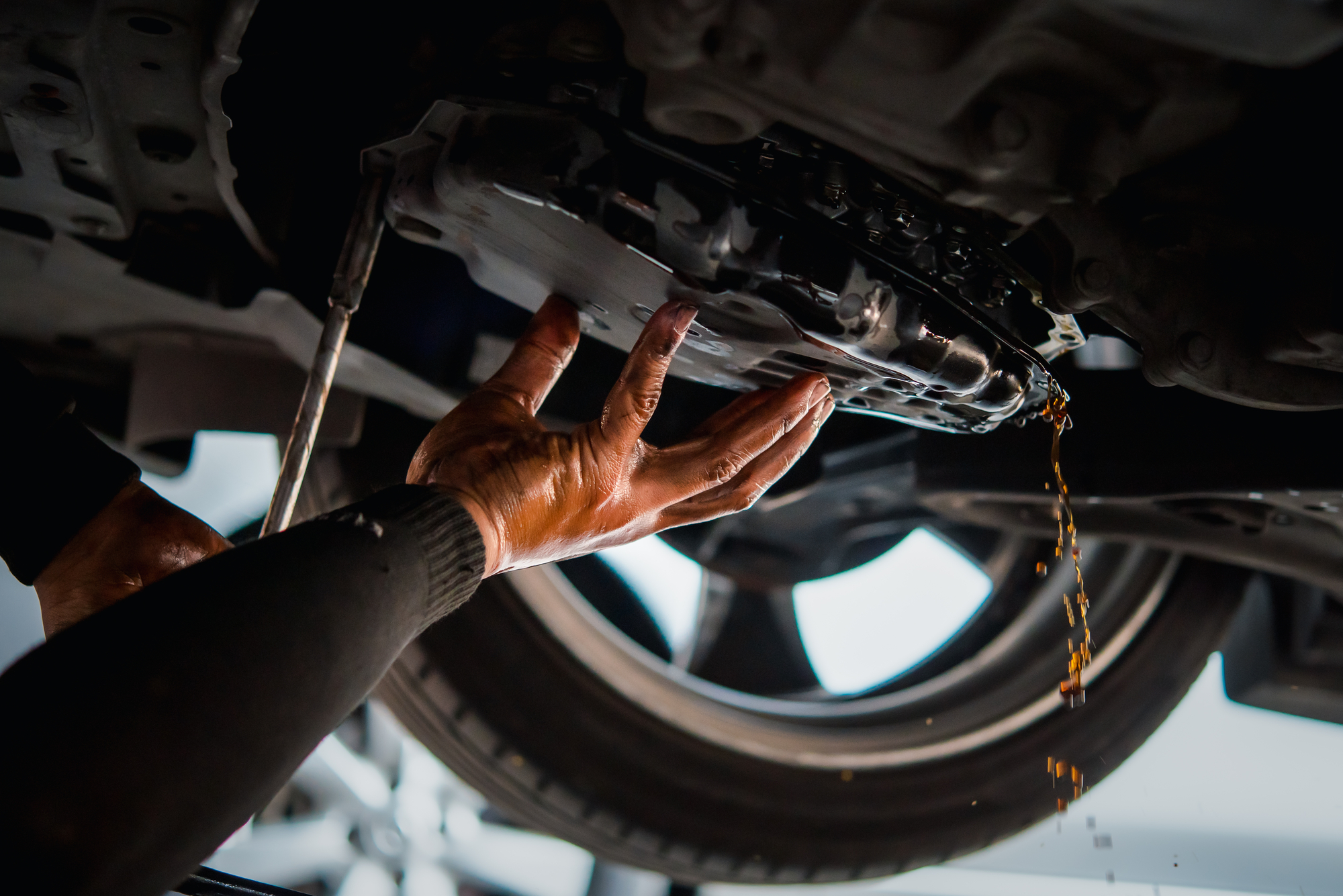
Operating a vehicle with a known transmission leak is a gamble with incredibly high stakes. Unlike motor oil, which primarily lubricates, transmission fluid acts as a hydraulic medium. Without sufficient fluid, the transmission literally cannot function. The financial delta between a proactive repair and a reactive replacement is staggering.
Hydraulic Pressure Loss and Gear Slipping
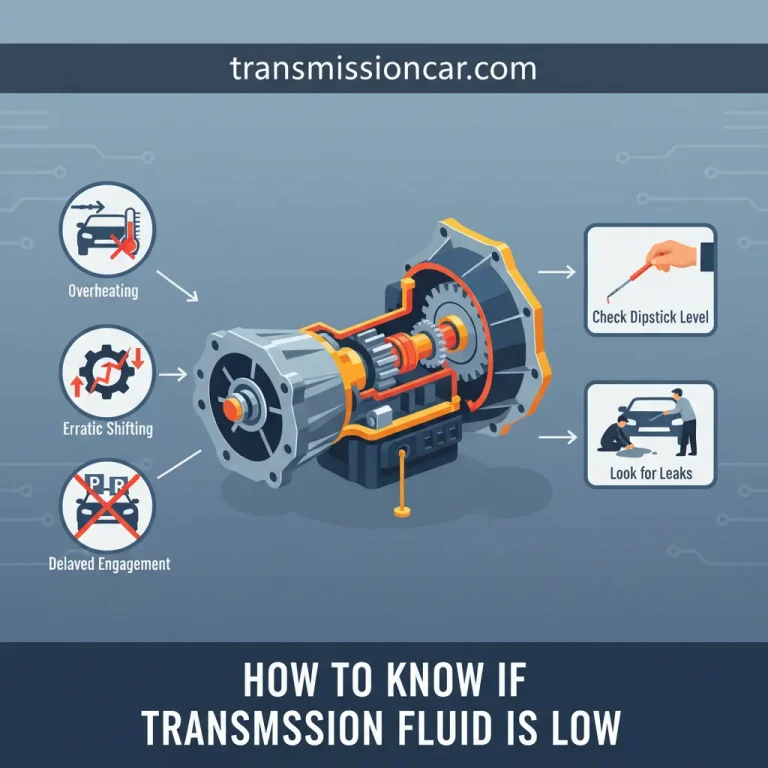
The transmission uses fluid pressure to engage clutches and bands that select the gears. When fluid levels drop, the pump draws in air, causing a drop in hydraulic pressure. Drivers typically feel this as a “shuddering” sensation or a delay when shifting, especially from second to third gear. This “slipping” generates immense heat, which further destroys the remaining fluid and glazes the clutch surfaces.
Accumulation of Abrasive Debris
When fluid is low, the concentration of metal shavings and friction material increases within the remaining liquid. These particles act as an abrasive, scouring the sensitive bores of the valve body—the “brain” of the transmission. Once the valve body is scarred, the transmission can no longer control shift points accurately, often requiring a total rebuild.
Modern vehicles are equipped with sensors that detect pressure drops. If the computer senses a critical fluid loss, it will activate “Limp Mode,” restricting the vehicle to a single gear (usually 2nd or 3rd) and illuminating the check engine light. Do not attempt to override this; it is a fail-safe meant to save your drivetrain from total destruction.
Professional Diagnostic Procedures for Accurate Leak Localization
Finding a leak in a modern, cramped engine bay requires more than just a flashlight. Professional technicians use a comprehensive and trusted set of tools to pinpoint micro-leaks that the average car owner would miss.
📋
The Diagnostic Protocol
We start by steam-cleaning or degreasing the transmission housing. It is impossible to find a fresh leak in a sea of old, caked-on road grime. Once clean, we run the vehicle to see the literal ‘trail’ of fresh fluid.
For persistent or invisible leaks, we add a fluorescent dye to the ATF. After a short drive, we use a high-intensity UV lamp and yellow-tinted glasses. UV dye can detect leaks as small as 1/4 ounce per day, preventing unnecessary tear-downs.
By attaching a pressure gauge to the cooling circuit, we can determine if the leak is external or if the internal radiator tank has failed, which would allow coolant to mix with transmission fluid (a deadly “strawberry milkshake” for transmissions).
Differentiating Leaks from ‘Puking’
Sometimes, fluid escaping the transmission isn’t due to a bad seal, but rather a “puking” event. This occurs if the transmission is overfilled or if it is severely overheating, causing the fluid to expand and vent through the breather cap. A quality diagnostic will distinguish between a mechanical leak and an operational failure before suggesting a repair.
Reliable Repair Solutions and Preventative Maintenance Intervals
When it comes to the long-term health of your vehicle, the quality of the repair matters just as much as the speed. Professional solutions focus on addressing the root cause rather than applying a “band-aid.”
The Pan Service: More Than Just a Gasket
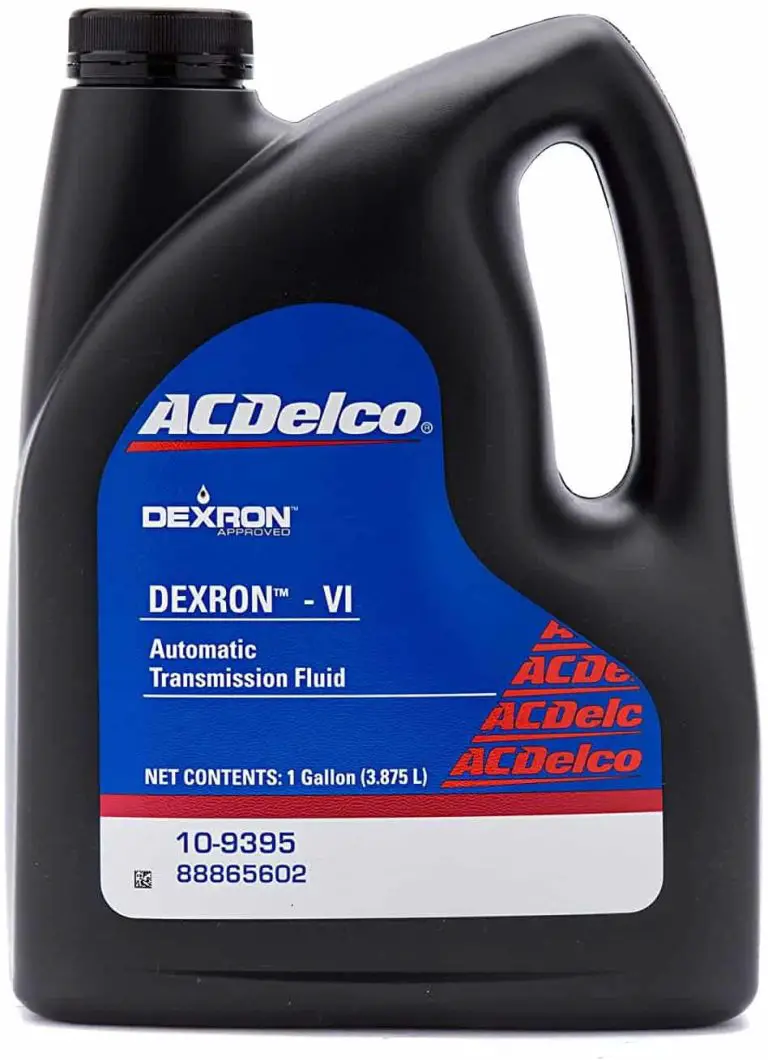
If your leak is at the pan gasket, the most reliable approach is a “Drain and Fill” service. We replace the gasket, but we also replace the internal transmission filter. This ensures that the new fluid remains clean and that the hydraulic pump can operate at maximum efficiency. Avoid “flushes” on high-mileage vehicles that haven’t been maintained; they can dislodge sludge that clogs the valve body.
✅ Why Synthetic ATF?
- Higher resistance to thermal breakdown.
- Better cold-weather flow for reduced wear.
- Advanced seal conditioners to prevent hardening.
- Extended service life (up to 100k miles).
❌ Stop-Leak Additives
- Only a temporary chemical “sweller.”
- Can cause seals to become overly soft and fail.
- May clog the fine mesh of internal filters.
- Does not fix physical damage or cracks.
Establish a Routine Service Interval
The best way to handle a transmission leak is to prevent it from ever occurring. I recommend a fluid exchange every 30,000 to 60,000 miles, depending on your driving habits (towing or city driving requires more frequent attention). Regular maintenance can extend the life of the drivetrain by up to 100,000 miles beyond the manufacturer’s standard expectations by ensuring that seals remain supple and fluid remains thermally stable.
Peace of Mind
Knowing your transmission is sealed and lubricated prevents the anxiety of a roadside breakdown.
Resale Value
A clean, leak-free undercarriage and documented service history significantly boost a vehicle’s value.
Identifying fluid by its cherry red color and sweet scent is the first step in accurate diagnostics. Promptly addressing leaks in gaskets, seals, or cooler lines prevents the astronomical costs associated with a full transmission rebuild. Relying on professional UV dye testing and high-quality synthetic fluids ensures a long-lasting and trusted repair solution. If you detect a leak, consult a certified technician immediately to perform a pressure test and fluid analysis before permanent internal damage occurs.
Frequently Asked Questions
Can I drive my car if it is leaking transmission fluid?
Driving with a leak is highly discouraged. While a minor drip may allow for a short trip to a repair facility, a significant leak can cause the fluid levels to drop below the operating threshold. This leads to increased friction, overheating, and gear slippage, which can destroy the transmission internals within minutes of operation.
How much does it typically cost to fix a transmission leak?
The cost varies significantly based on the source. A simple transmission pan gasket replacement usually costs between $150 and $300, including fresh fluid. However, if the leak originates from an input shaft seal or the torque converter, the transmission must be removed, which can drive labor costs between $600 and $1,200.
What does it mean if my transmission fluid is brown instead of red?
Brown or dark fluid indicates oxidation and thermal breakdown. This is a sign that the fluid has been exposed to excessive heat and is no longer providing adequate lubrication or cooling. If you see brown fluid leaking, it suggests that the internal components may already be experiencing advanced wear and require immediate professional attention.
Do ‘stop-leak’ additives actually work for transmission leaks?
Professional mechanics generally advise against stop-leak additives. These products contain chemicals that cause rubber seals to swell and soften. While this may temporarily stop a leak, it can also cause seals to degrade prematurely and may clog the narrow hydraulic passages within the transmission valve body, leading to much larger mechanical failures.
Where exactly is transmission fluid located under the car?
In most rear-wheel-drive vehicles, transmission fluid will leak near the center of the car, directly under the front seats. In front-wheel-drive vehicles, the transmission (transaxle) is located under the hood, typically to the side of the engine. Look for red puddles centered between the two front tires or slightly behind the engine block.