Why Does My Car Jerk When Shifting Gears With an Automatic Transmission?
When an automatic transmission shifts gears, the car can jerk if the shift is not smooth. This could be caused by a…

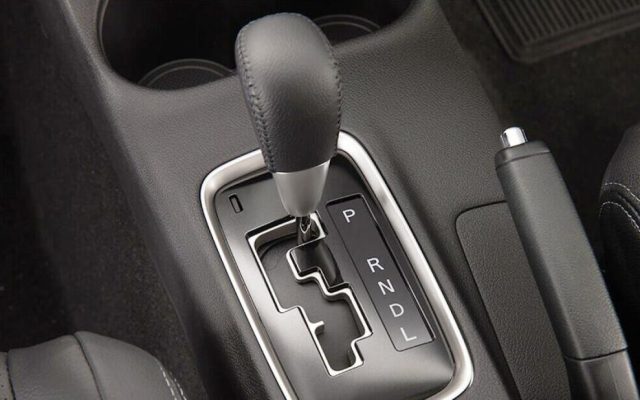
When an automatic transmission shifts gears, the car can jerk if the shift is not smooth. This could be caused by a…
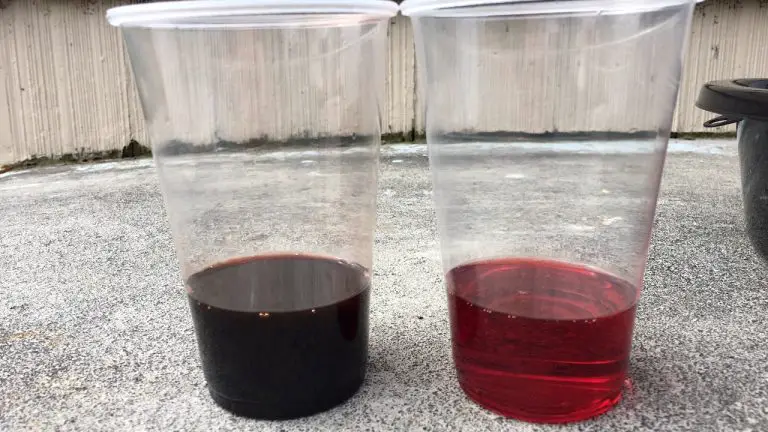
It is recommended to change transmission fluid after 100K miles. Over time, the transmission fluid breaks down and loses its ability to…
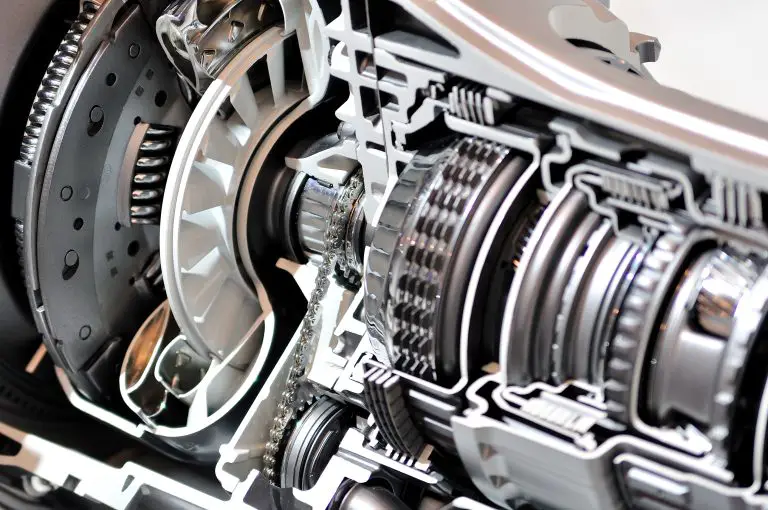
Transmission shifting hard can be caused by a number of different things. One major factor is the transmission fluid level being low…
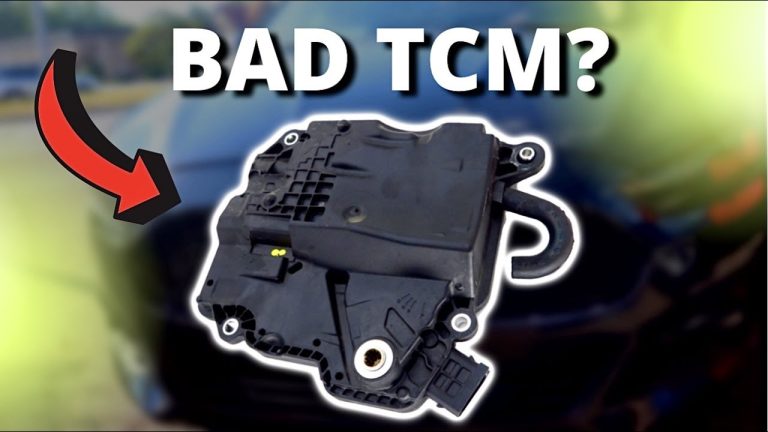
The Transmission Control Module (TCM) is typically located inside the vehicle, usually near or on top of the transmission. It may also…
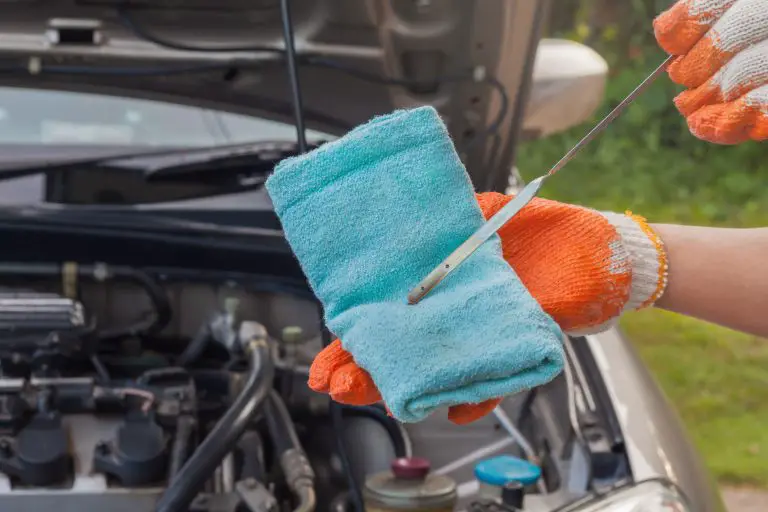
The amount of transmission fluid a car holds depends on the make, model and year of the vehicle. On average, most cars…
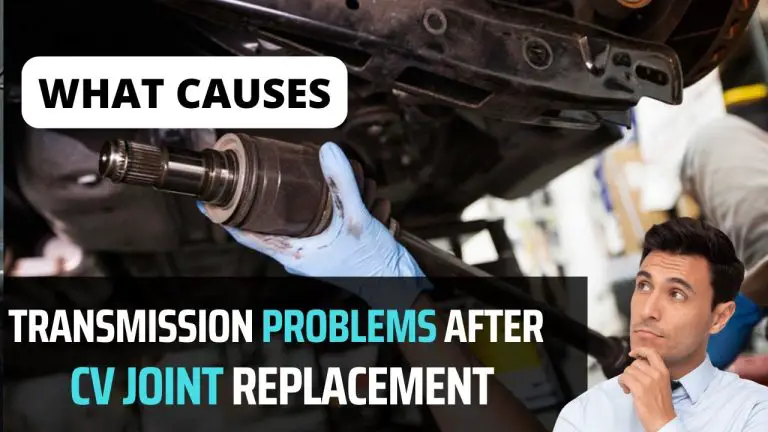
Transmission problems after CV joint replacement are usually caused by improper installation of the new parts. For example, if there is not…
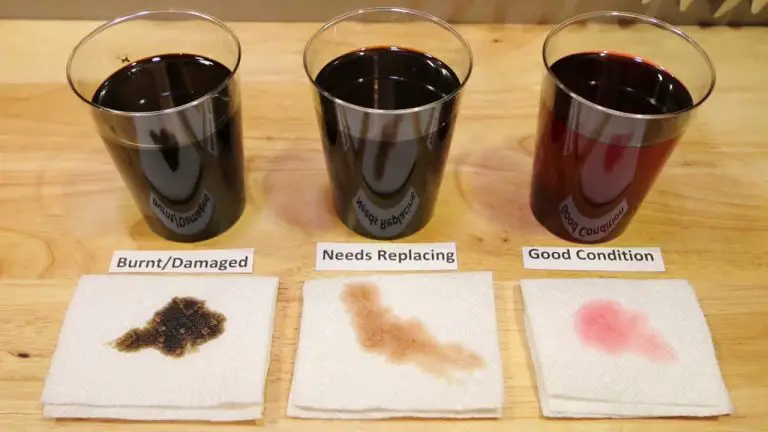
Transmission fluid is a lubricant used to keep the transmission system of an automobile running smoothly. It is typically red in color…
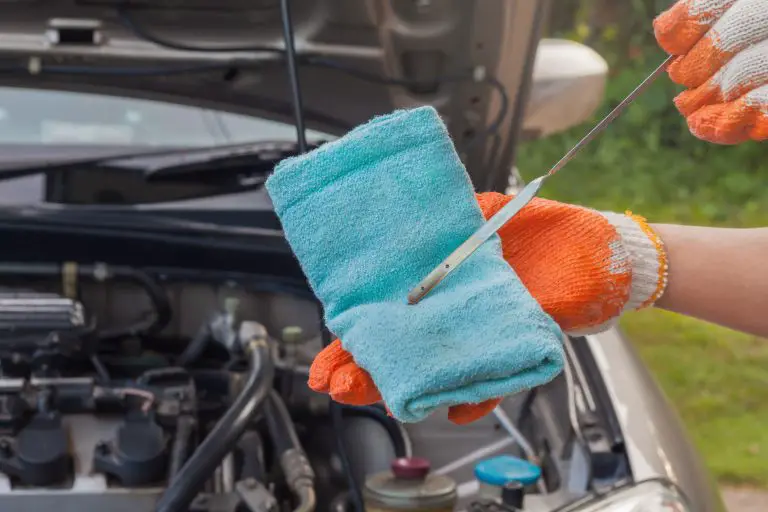
Yes, low transmission fluid can cause the overdrive light to flash. When the transmission has low levels of fluid, it causes a…

Yes, a bad CV joint can affect the transmission. The CV joint is responsible for connecting the drive shaft to the wheels…
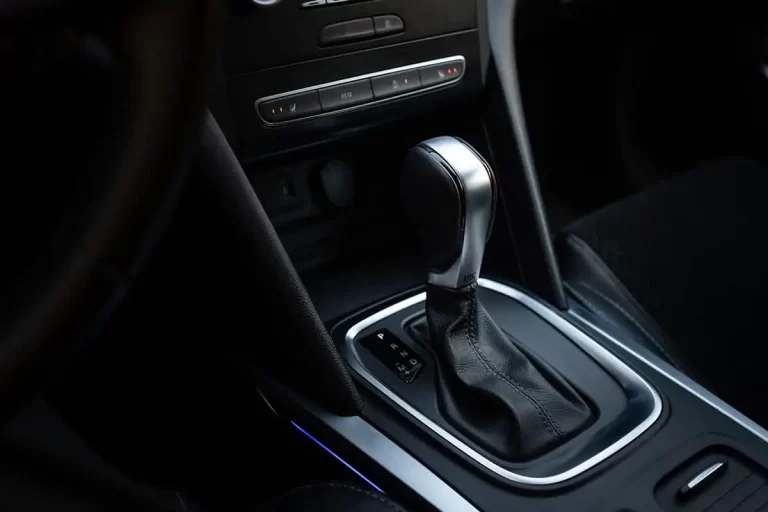
Automatic transmission high RPM before shifting happens when the engine is revved up to a certain level before it shifts from one…