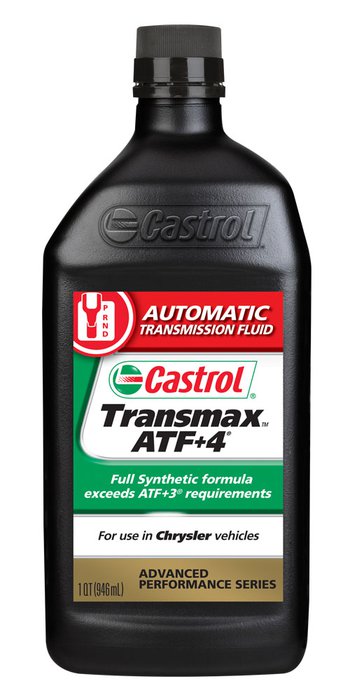
Honda Genuine Transmission Fluid: Engineering Specifications And Long-Term Powertrain Reliability
For a Honda vehicle to deliver its legendary 200,000-mile lifespan, the chemical integrity of its transmission fluid must remain uncompromised. While many…
For a Honda vehicle to deliver its legendary 200,000-mile lifespan, the chemical integrity of its transmission fluid must remain uncompromised. While many owners assume all transmission fluids are interchangeable, using the wrong formulation in a Honda powertrain can lead to premature gear wear, erratic shifting, and expensive mechanical failure. The engineering tolerances within modern Earth Dreams Technology and high-torque automatic systems leave zero margin for error regarding viscosity and friction coefficients. This article provides an authoritative analysis of Honda Genuine Transmission Fluid, detailing its unique chemical properties, the specific needs of DW-1 and HCF-2 systems, and why OEM standards are non-negotiable for vehicle longevity. As a professional guide for owners and technicians alike, we will explore why these reliable fluids are the trusted choice for complete powertrain protection.
The Technical Evolution of Honda Genuine Transmission Fluid DW-1 for Automatic Systems
📤 Share Image
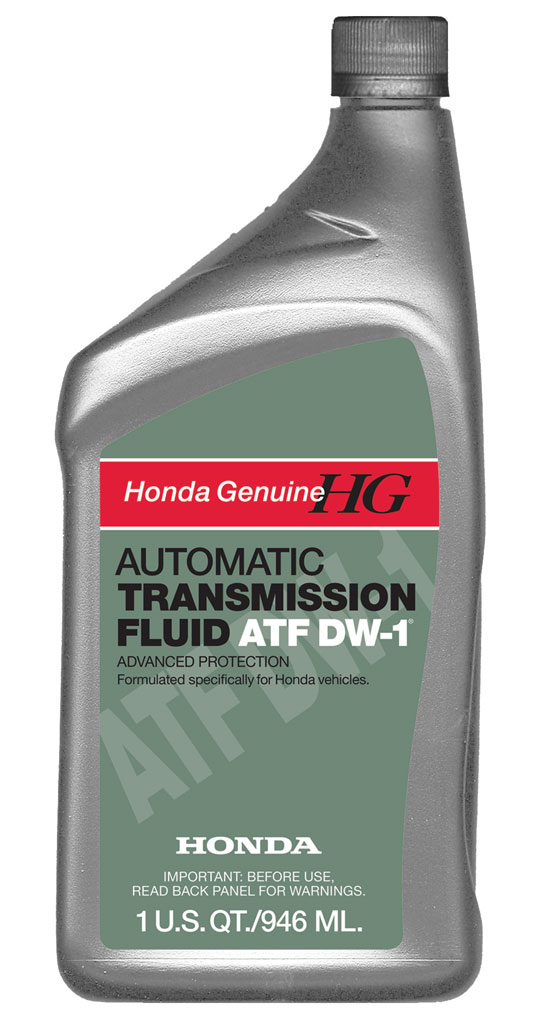
The transition in 2011 from the long-standing ATF-Z1 to the modern Honda Genuine ATF DW-1 marked a significant shift in Honda’s approach to powertrain efficiency. This evolution was driven by the dual necessity of meeting stricter global emissions standards and improving cold-start fuel economy. Unlike the mineral-based Z-1, DW-1 is a full-synthetic formulation designed with a lower baseline viscosity. This reduction in internal fluid friction allows the transmission to operate with less parasitic drag, directly translating to improved miles-per-gallon (MPG) ratings across the vehicle lineup.
Low-Viscosity Engineering and Cold-Start Performance
One of the most critical expert insights regarding DW-1 is its performance in low-temperature environments. Data indicates that DW-1 provides a 5% improvement in low-temperature fluidity compared to its predecessor. In practical terms, this means that during the first 10 minutes of operation—when the majority of transmission wear occurs—the fluid reaches critical lubrication points and hydraulic solenoids much faster. This rapid circulation prevents the “delayed engagement” or “harsh shifting” often experienced in colder climates with thicker, generic fluids.
Proprietary Friction Modifiers and Torque Converter Health
Honda transmissions utilize specific clutch plate materials that require a precise “bite” during engagement. Honda DW-1 contains proprietary friction modifiers that ensure the transition between gears is seamless. These chemicals are specifically designed to combat the “torque converter shudder”—a common vibration felt in older Honda models when the lock-up clutch engages. By maintaining a consistent friction coefficient, DW-1 ensures the lock-up clutch operates smoothly, extending the life of the torque converter and the transmission’s internal clutch packs.
Genuine Honda fluids use a base stock that is chemically neutral toward the specific rubber compounds used in Honda’s gaskets and O-rings. Aftermarket fluids often use “seal swellers” that can lead to the hardening and eventual cracking of internal seals over 50,000+ miles.
Maintaining Quality Standards in Continuously Variable Transmissions with HCF-2 Fluid
The introduction of Earth Dreams Technology brought the Continuously Variable Transmission (CVT) to the forefront of the Honda lineup, specifically in the Honda Civic (2014+) and CR-V (2015+). These systems operate on a fundamentally different principle than planetary gear automatics, utilizing a high-tension metal belt and two variable pulleys. Consequently, they require a specialized lubricant: Honda Genuine HCF-2 (CVT Fluid-2). This is a comprehensive fluid solution that cannot be substituted without risking immediate hardware damage.
Belt-to-Pulley Interface and High-Pressure Lubrication
In a Honda CVT, the fluid must perform a seemingly contradictory task: it must lubricate the moving parts while providing enough friction to prevent the metal belt from slipping on the smooth pulley surfaces. HCF-2 is engineered with a high static friction coefficient designed specifically for the metallurgy of Honda’s pulleys. Universal CVT fluids often lack this specific chemistry, leading to microscopic belt slippage. This slippage generates intense heat and metal shavings, which eventually clog the transmission’s fine mesh filters and lead to total system failure.
By The Numbers: HCF-2 Performance
Better Anti-Foaming than Aftermarket
Typical Heavy-Load Operating Temp
Interchangeability with HMMF Fluid
Furthermore, HCF-2 includes an advanced anti-foaming agent. Because CVTs operate under immense hydraulic pressure to clamp the pulleys, any aeration or foaming in the fluid results in a loss of pressure stability. Professional testing shows HCF-2 maintains pressure stability 10% better than leading universal fluids, ensuring that the belt remains securely clamped even under heavy acceleration or mountain climbing.
Why Professional Technicians Advise Against Multi-Vehicle Aftermarket Alternatives
The automotive aftermarket is flooded with “Multi-Vehicle” or “Universal” transmission fluids that claim to meet dozens of OEM specifications simultaneously. From an expert engineering perspective, these fluids are a compromise. To be compatible with a wide range of vehicles, they must use a “middle-of-the-road” additive package that doesn’t perfectly match the requirements of any single transmission. For Honda owners, this compromise poses a significant risk to reliable operation.
The Risk of ‘Shift Shock’ and Yellow Metal Corrosion
Honda transmissions frequently utilize “yellow metals” like brass and bronze in their bushings and synchros. Many universal additive packages contain sulfur-based extreme-pressure agents that are aggressive toward these soft metals. Over time, these chemicals can corrode internal components, leading to “gear hunting” or erratic shifts. A notable case study is the Honda Odyssey 6-speed automatic, which is exceptionally sensitive to fluid temperature and friction coefficients. Using non-genuine fluid in these units often results in immediate “shift shock,” where the vehicle jerks violently during gear changes.
Viscosity Retention
Honda Genuine fluids maintain 95% of their original viscosity profile after 30,000 miles, ensuring consistent hydraulic pressure.
Aftermarket Degradation
Independent lab tests show some universal fluids drop below 80% viscosity in the same timeframe, leading to internal component wear.
Detergent Levels and Long-Term Cleanliness
OEM fluids are packed with high-quality detergents that keep the transmission’s complex valve body clean. Over 100,000 miles, these detergents prevent the buildup of varnish and sludge that can cause solenoids to stick. By saving $20 on a generic fluid, an owner may inadvertently set the stage for a $4,000 transmission rebuild down the road. Furthermore, using non-genuine fluid during the 5-year/60,000-mile powertrain warranty period can complicate claims, as Honda may require proof that the fluid used met their exact chemical specifications.
Establishing a Trusted Maintenance Schedule for Manual and Dual-Clutch Systems
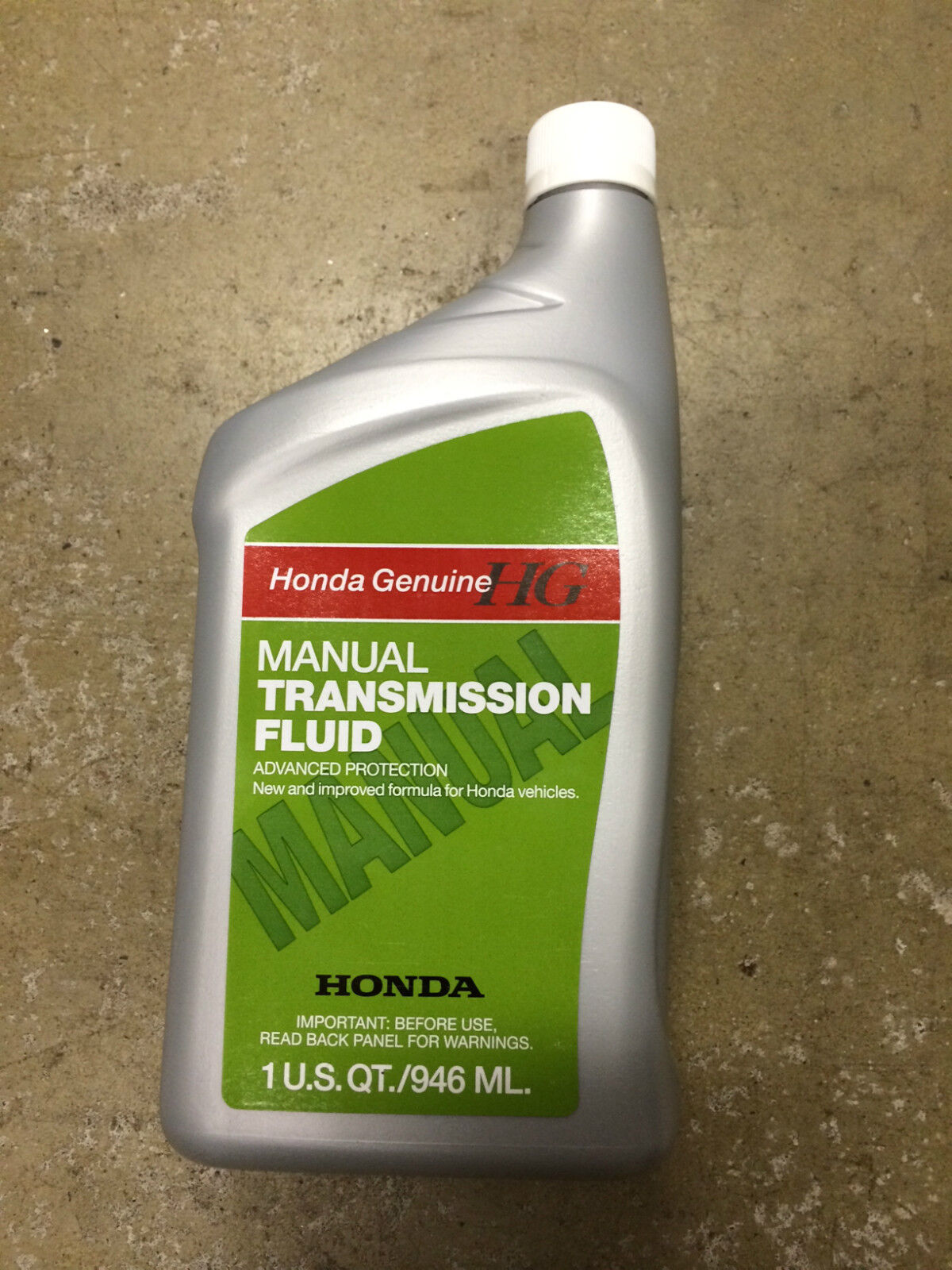
While automatic and CVT systems dominate the market, Honda’s manual transmissions and high-performance Dual-Clutch Transmissions (DCT) require equal attention. Honda Genuine MTF (Manual Transmission Fluid) is formulated with unique extreme-pressure additives that protect synchros, allowing for buttery-smooth shifts even in freezing temperatures. Similarly, the 8-speed DCT found in Acura and Honda ILX/TLX models requires a specific fluid to manage the high-speed friction of its dual-clutch packs.
📋
Professional Maintenance Steps
Pay attention to “Maintenance Minder Code 3” on your dashboard. This is the specific signal that your transmission fluid has reached its service life based on driving habits and engine cycles.
Honda officially recommends against high-pressure flushes. Instead, use the 3x drain-and-fill method. Since a single drain only removes ~35% of the fluid, doing this three times with driving in between replaces roughly 90% of the fluid without damaging sensitive internal seals.
If you tow, drive in mountainous terrain, or live in extreme heat, reduce your interval. Honda recommends inspection and potential fluid replacement every 15,000 miles under severe conditions.
Many quick-lube shops suggest chemical flushes. These machines can dislodge microscopic debris and jam it into the transmission’s fine hydraulic passages, leading to instant failure. Always stick to the OEM-approved drain and fill method.
A Comparison of Transmission Fluid Requirements
In summary, Honda Genuine Transmission Fluids are precision-engineered to match the specific metallurgy and friction requirements of OEM components. DW-1 and HCF-2 offer superior thermal stability and low-temperature flow compared to universal aftermarket alternatives, ensuring the transmission operates within its designed parameters. Adhering to a strict ‘drain and fill’ maintenance schedule using genuine products is the most cost-effective way to prevent transmission failure and maintain the resale value of your vehicle. Ensure your vehicle’s performance remains consistent by sourcing only Honda Genuine Transmission Fluid from an authorized dealer or certified service professional for your next maintenance interval. Investing in the right chemistry today is the only way to guarantee another 100,000 miles of reliable, trouble-free driving.
Frequently Asked Questions
Can I mix Honda ATF DW-1 with the older ATF-Z1 fluid?
Yes, Honda ATF DW-1 is fully backward compatible with all Honda vehicles that previously required ATF-Z1. While you can mix them during a standard drain and fill, it is recommended to eventually transition the entire system to DW-1 to take full advantage of its superior synthetic properties and better low-temperature performance.
How can I tell if my Honda needs HCF-2 or DW-1 fluid?
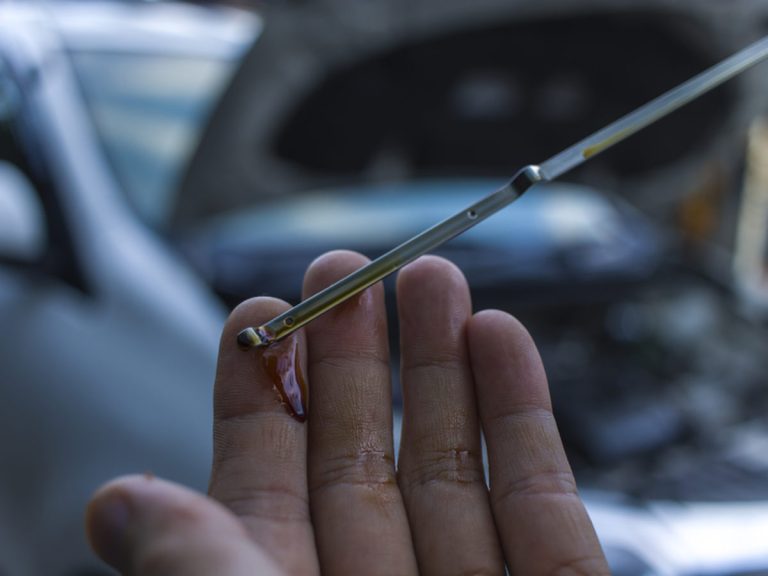
The fluid type depends on your transmission architecture. Most Honda vehicles with a Continuously Variable Transmission (CVT) from 2013 onwards require HCF-2. Traditional geared automatics require DW-1. You should always verify by checking the transmission dipstick or the owner’s manual, as using HCF-2 in a geared automatic, or vice versa, can cause immediate damage.
Why does Honda recommend against using transmission flush machines?
Honda professional service guidelines advise against high-pressure flushes because they can dislodge internal debris that may clog the fine mesh filters or sensitive solenoid passages. Additionally, some flush machines use universal fluids or chemical cleaners that are incompatible with Honda’s internal clutch materials and seals. A ‘drain and fill’ is the factory-approved method.
Does using aftermarket transmission fluid void my Honda warranty?
Under the Magnuson-Moss Warranty Act, a manufacturer cannot void a warranty solely because an aftermarket part was used. However, if the aftermarket fluid is found to be the direct cause of a transmission failure—due to incorrect friction coefficients or lack of thermal protection—the repair claim can be legally denied. Using genuine fluid eliminates this risk.
What are the signs that my Honda transmission fluid needs to be replaced?
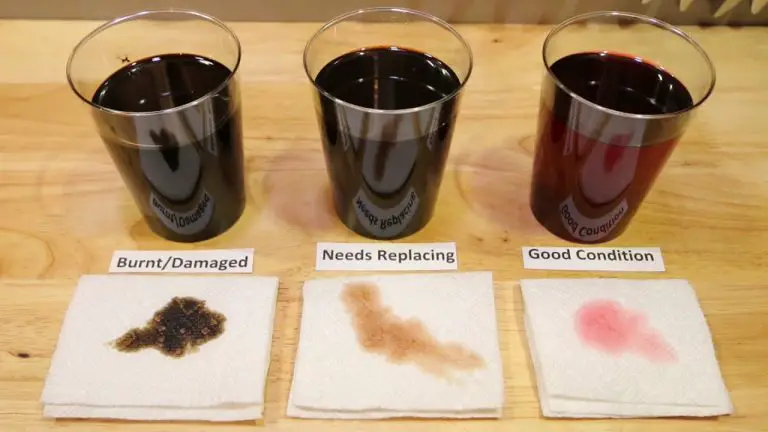
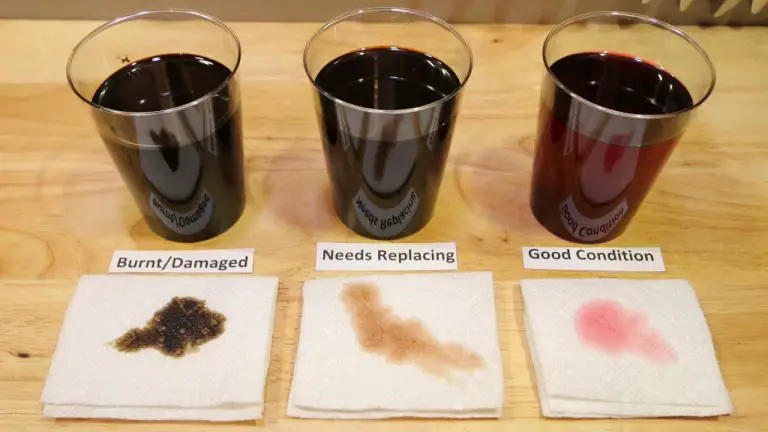
Common indicators include a noticeable ‘shudder’ during torque converter lock-up, hesitant or harsh shifting, and a dark brown color accompanied by a burnt odor. Ideally, you should not wait for symptoms; follow the Maintenance Minder system or change the fluid every 30,000 to 60,000 miles to maintain the fluid’s protective additive package.