Honda Manual Transmission Fluid: OEM vs. Aftermarket Guide
📌 Quick Summary Using Honda Genuine MTF (Part #08798-9031) is the recommended choice for protecting synchros and ensuring smooth shifting across all…
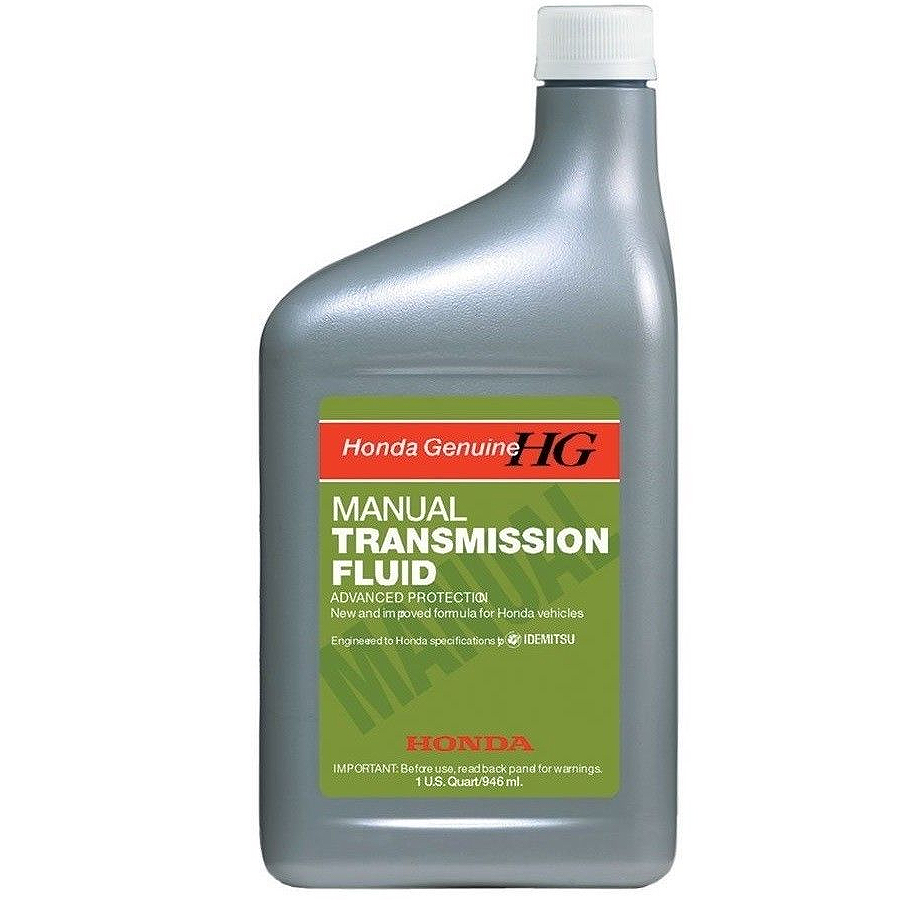
Using Honda Genuine MTF (Part #08798-9031) is the recommended choice for protecting synchros and ensuring smooth shifting across all modern generations. While aftermarket fluids like Amsoil or Redline can improve shift feel in high-performance scenarios, maintaining the correct viscosity is critical to avoid internal wear.
🎯 Key Takeaways
- Honda Genuine MTF (08798-9031) is the standard for almost all modern models.
- Avoid using 10W-30 motor oil long-term as it lacks modern friction modifiers.
- Aftermarket brands like Amsoil and Redline can help solve ‘notchy’ shifting issues.
- Most Honda manual transmissions require between 1.5 and 2.5 quarts for a change.
- Always replace the aluminum crush washers to prevent slow leaks at the plugs.
If you are looking for the exact fluid required for your gearbox, the answer is Honda Genuine MTF (Manual Transmission Fluid), specifically part number 08798-9031. While older Honda manuals from the 1980s and early 90s suggested 10W-30 or 10W-40 motor oil as a temporary fix, modern Honda manual transmissions are engineered around this specific, low-viscosity fluid to protect sensitive synchronizers and ensure crisp shifting. Using the correct fluid is critical because manual transmissions rely on precisely controlled friction to function; the wrong additive package can lead to accelerated wear on “yellow metal” components or a frustrating “notchy” shift feel.
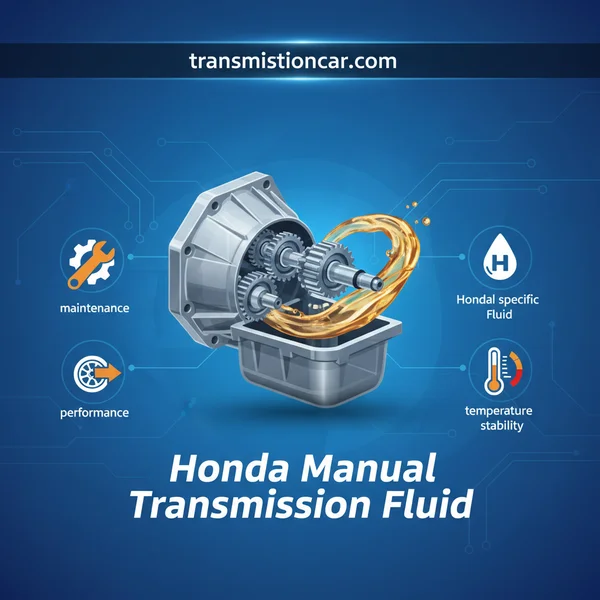
This guide focuses on why the OEM fluid remains the gold standard for the average driver and when you might actually benefit from switching to a high-performance aftermarket alternative. Whether you are driving an 11th-generation Civic Type R, an old-school EM2, or a high-revving S2000, understanding the chemistry behind the fluid in your case is the best way to prevent gear grinds and expensive rebuilds down the road. Every drop of fluid in your transmission serves two roles: lubricating the gears and providing the necessary friction for the synchronizers to do their job.
Honda Genuine MTF Specifications and Official Part Numbers
The current iteration of Honda Genuine MTF is a highly specialized lubricant that roughly equates to a 7.5W-80 weight gear oil. Unlike standard motor oil, it contains specific friction modifiers that allow the synchronizer rings to “grab” the gear teeth quickly. The most common part number you will encounter in the United States and Canada is 08798-9031. In European and Asian markets, you may see this same fluid labeled as MTF-III or under part number 08267-99902HE. These fluids are all cross-compatible and represent the latest “White Label” formulation that Honda has optimized for efficiency and longevity.
The Evolution from Motor Oil to Specialized MTF
In the past, Honda gearboxes were simple enough to run on standard engine oil. However, as tolerances became tighter and synchro materials evolved from simple brass to carbon-composites, engine oil no longer provided adequate protection. Modern Honda Genuine MTF is designed to be “backwards compatible,” meaning you can safely use the current 08798-9031 fluid in a 1992 Civic just as easily as a 2024 model. The key advantage of the modern OEM fluid over old motor oil is its shear stability. It maintains its viscosity much longer under the intense pressure of gear-to-gear contact, ensuring that your 1st-to-2nd gear shift remains smooth even after 50,000 miles of use.
Compatibility and Capacity Across Honda Models
While the fluid is universal across the Honda manual lineup, the amount you need varies by model. Most Honda manual transmissions require between 1.5 and 2.5 quarts for a standard drain and fill. It is always recommended to buy three quarts to ensure you have enough to reach the fill-hole level. Notable compatibility includes:
- Civic (All trims including Si and Type R): 08798-9031 is the factory-fill and service standard.
- Accord (5-speed and 6-speed): Fully compatible across all generations.
- S2000: While some owners experiment, the OEM MTF is the primary recommendation for the AP1 and AP2 gearboxes.
- Fit and CR-Z: Uses the same low-viscosity OEM formula for maximum fuel economy.
Comparing OEM Fluid vs. Performance Aftermarket Alternatives
For many drivers, Honda Genuine MTF is the perfect balance of protection and shift quality. However, the aftermarket offers several “Synchromesh” style fluids that claim to improve performance in specific conditions. The most popular alternatives are Amsoil Manual Synchromesh, Redline MTL 75W80, and Pennzoil Synchromesh. These are all GL-4 rated fluids, which is a crucial distinction. You must never use a GL-5 rated gear oil in a Honda manual transmission, as the high sulfur content in GL-5 fluids will chemically attack and corrode the brass synchronizers, leading to total transmission failure.
Popular Aftermarket Substitutes and Why They are Used
The primary reason enthusiasts deviate from the Honda 08798-9031 part number is to solve specific shifting issues. For example, the “3rd gear pop-out” or “notchy 2nd gear” common in older K-Series transmissions can often be dampened by the slightly different friction coefficients found in Amsoil or Redline products. These fluids are formulated to be slightly “stickier” on the synchros, which can help a worn transmission engage more positively. Amsoil, in particular, is praised for its ability to maintain a consistent feel even as the transmission reaches high operating temperatures during spirited driving.
The Trade-offs: Longevity vs. Performance
While aftermarket fluids can improve the “feel” of your shifter, there are trade-offs to consider before swapping out your OEM fluid:
- Cold Weather Shifting: Some high-performance aftermarket fluids are thicker than Honda MTF. In freezing climates, this can make the car very difficult to shift for the first 10 minutes of driving.
- Seal Compatibility: Honda Genuine MTF is guaranteed to be compatible with every seal and gasket in your transmission. While major brands like Redline and Amsoil are generally safe, some boutique fluids can cause seals to swell or shrink over time.
- Service Intervals: Aftermarket fluids often prioritize shift quality over long-term stability. If you choose a high-performance alternative, you may need to change your fluid every 15,000 to 20,000 miles to maintain that “new fluid” feel, whereas OEM fluid can easily last 30,000 to 60,000 miles under normal driving conditions.
The 10W-30 Motor Oil Debate for Vintage Honda Gearboxes
If you own a Honda from the 1980s or 90s, you might have done a double-take while reading your owner’s manual. Back then, Honda frequently recommended standard 10W-30 motor oil as a temporary or even permanent substitute for manual transmission fluid. While this was standard practice decades ago, the landscape of automotive lubrication has changed significantly, leading to a long-standing debate among enthusiasts.

The Evolution of Synchro Protection
Modern Honda Manual Transmission Fluid (MTF) is a sophisticated blend designed specifically for the yellow metals (brass synchronizers) inside your gearbox. Standard motor oil lacks the friction modifiers required for the precise “grip” those synchros need to match gear speeds. Using motor oil in a modern context can lead to “notchy” shifting, especially in cold weather, as motor oil is generally thicker than dedicated MTF.
- Additives: Modern MTF contains anti-foaming agents and extreme-pressure additives that motor oil simply doesn’t prioritize.
- Viscosity: 10W-30 motor oil is roughly equivalent to a 75W-80 gear oil, but it shears down much faster under the heavy mechanical stress of gear teeth.
- The Verdict: While 10W-30 will work in an absolute emergency for older D-series or B-series engines, it is no longer the “best” choice. Upgrading to a modern Honda MTF or a high-quality aftermarket synchromesh fluid will provide smoother engagement and better protection.
When “Old School” Isn’t Better
One common mistake is assuming that because a car was designed for motor oil, it shouldn’t use modern fluids. In reality, Honda’s current MTF is backward compatible. It provides better fuel economy through reduced internal friction and significantly better cold-start shifting. If you are experiencing “third-gear pop-out” or grinding in a vintage Civic or Integra, switching from old motor oil to a dedicated manual transmission fluid is often the first and cheapest fix recommended by specialists.
Critical Capacity Data and Necessary Hardware for Service
Knowing which fluid to buy is only half the battle. You also need to know how much to buy and which small parts are required to ensure the job doesn’t result in a slow leak on your driveway. Honda transmissions are relatively small, and overfilling or underfilling can both lead to mechanical headaches down the road.
Understanding Transmission Fluid Capacities
Most Honda passenger cars (Civic, Accord, Fit) typically require between 1.5 and 2.5 quarts of fluid for a standard drain and fill. Performance models like the Civic Type R or the S2000 may have slightly different requirements due to their specialized differentials. It is a smart practice to always purchase three quarts; this gives you a safety margin in case of spills or if the car is leveled in a way that requires slightly more fluid to reach the fill hole.
- Civic/Fit: Usually requires ~1.6 to 1.9 quarts.
- Accord/Element: Usually requires ~2.0 to 2.2 quarts.
- S2000: Requires roughly 1.6 quarts of specialized gear lubricant (check your specific year).
Essential Hardware and Supplies
Before you crack open the transmission, ensure you have fresh crush washers. These are one-time-use aluminum gaskets that deform to create a perfect seal. Reusing the old ones is the most common cause of “mystery leaks.” You will typically need a 14mm washer for the fill plug and a 20mm washer for the drain plug, though these sizes can vary by model year.
Additionally, pay attention to the drive sizes. Most Honda drain plugs require a 3/8-inch square drive (just the head of your ratchet), while the fill plug usually requires a 17mm socket. Always ensure you can loosen the fill plug before you remove the drain plug; if you drain the fluid and find the fill plug is seized, your car is stranded until it’s resolved.
Conclusion
Choosing the right Honda manual transmission fluid doesn’t have to be a headache. Whether you stick with the reliable Genuine Honda MTF or opt for a high-performance aftermarket alternative like Amsoil or Red Line, the key is consistency and quality. For owners of vintage Hondas, moving away from 10W-30 motor oil in favor of modern friction-modified fluids can breathe new life into an aging gearbox.
Ready to get started? Your first step is to check your owner’s manual for the exact capacity and then order a set of fresh aluminum crush washers. Proper maintenance today prevents a costly transmission rebuild tomorrow. Keep those shifts smooth and enjoy the drive!
💬 Quick Questions & Answers
What is the official Honda MTF part number?
The current official part number for Honda Genuine Manual Transmission Fluid is 08798-9031.
Can I use 10W-30 motor oil in my Honda transmission?
It is acceptable as a temporary emergency measure for older models, but lacks the additives needed for modern synchro longevity.
How many quarts of MTF does a Civic or Accord take?
Most front-wheel-drive Honda manuals require approximately 1.5 to 2.2 quarts to reach the fill hole level.
Is Amsoil better than Honda Genuine MTF?
Many enthusiasts prefer Amsoil Manual Synchromesh for its superior cold-weather performance and smoother gear engagement.
How often should Honda manual transmission fluid be changed?
Honda typically recommends every 30,000 to 60,000 miles depending on driving conditions and specific model years.
❓ Frequently Asked Questions
Why is the Honda Genuine MTF white label preferred by mechanics?
Honda Genuine MTF is specifically formulated with the correct friction modifiers for the yellow metals (brass synchros) used in their transmissions. Using the wrong fluid can lead to gear grinding or ‘lock out’ at high RPMs because the synchros cannot match speeds effectively.
What are the best aftermarket alternatives for Honda manual transmissions?
Amsoil Manual Synchromesh, Redline MTL (75W80), and Pennzoil Synchromesh are the top three alternatives. These are popular for high-mileage cars or performance builds where the driver wants to eliminate a ‘notchy’ feel between shifts.
Does my Honda manual transmission have a filter?
No, unlike automatic transmissions, Honda manual gearboxes do not have a replaceable internal or external filter. They rely on a magnetic drain plug to catch metallic shavings, making regular fluid intervals even more important.
Will using aftermarket fluid void my Honda warranty?
Under the Magnuson-Moss Warranty Act, using an aftermarket fluid that meets the required specifications will not void your warranty. However, it is essential to ensure the fluid is specifically labeled for ‘Synchromesh’ applications.
What happens if I use Gear Oil (80W-90) instead of Honda MTF?
Standard 80W-90 gear oil is too thick and contains sulfur-phosphorus additives that can corrode the brass synchros in a Honda transmission. This will eventually cause difficult shifting and internal damage.
Are the crush washers for the drain and fill plugs the same size?
Usually, they are different; many Hondas use a 14mm washer for the drain plug and a larger 20mm washer for the fill plug. Always verify your specific model’s requirements before starting the service.