Honda Pilot Transmission Fluid: Type, Capacity & Specs
📌 Quick Summary Most Honda Pilot models strictly require Genuine Honda ATF DW-1 or Type 3.1 fluid for newer 9-speed variants. A…
Most Honda Pilot models strictly require Genuine Honda ATF DW-1 or Type 3.1 fluid for newer 9-speed variants. A standard maintenance drain and fill typically requires 3.5 to 4.5 quarts to ensure smooth gear transitions and long-term reliability.
🎯 Key Takeaways
- Use Honda ATF DW-1 for 6-speed and Type 3.1 for 9-speed units.
- Standard drain and fill requires 3.5 to 4.5 quarts of fluid.
- Change fluid every 30,000 miles if you frequently tow or haul.
- Dark or burnt-smelling fluid indicates an immediate need for service.
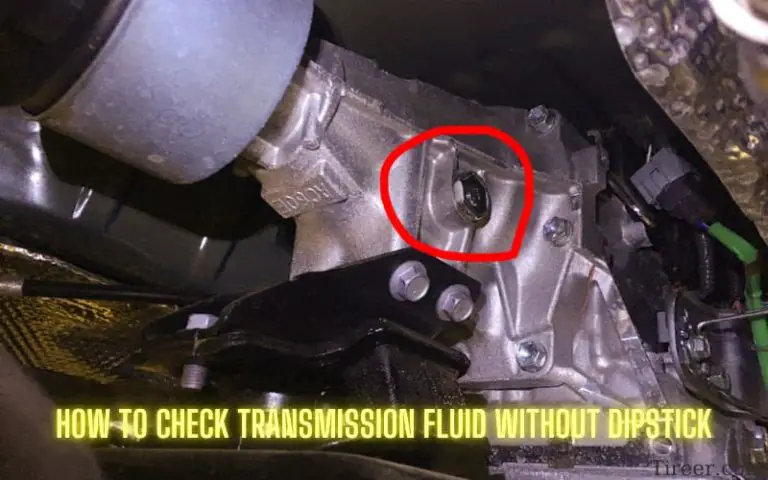
- Only use a 3/8-inch square drive to remove the drain plug.
Your Honda Pilot requires specific automatic transmission fluids depending on the production year and the number of gears in your transmission. For most models built before 2016, you will use Honda ATF DW-1. If you own a newer third or fourth-generation Pilot with a 9-speed or 10-speed transmission, the requirements change to specialized synthetic fluids like Type 3.1 or Type 2.0. Using the incorrect fluid can lead to harsh shifting, torque converter shudder, and internal clutch wear that could cost thousands to repair.
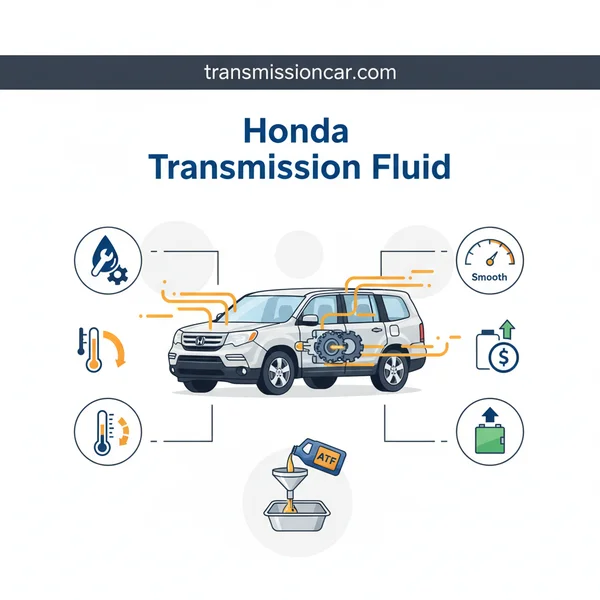
Getting the fluid type and capacity right is the most effective way to prevent the common “transmission judder” that many Honda owners report. Whether you are performing a simple drain-and-fill or a complete service, knowing exactly what your specific year requires ensures your drivetrain stays smooth for over 200,000 miles. This guide breaks down those exact technical specs so you can buy the right supplies before you even crack the drain plug.
Technical Specifications: Fluid Types by Honda Pilot Generation
Honda has updated its transmission designs significantly over the last two decades. We have moved from traditional 5-speed automatics to advanced 10-speed units. Each design requires a specific friction modifier profile found in the corresponding Honda genuine fluid to ensure the clutches engage properly without slipping or vibrating.

Generations 1 and 2 (2003–2015)
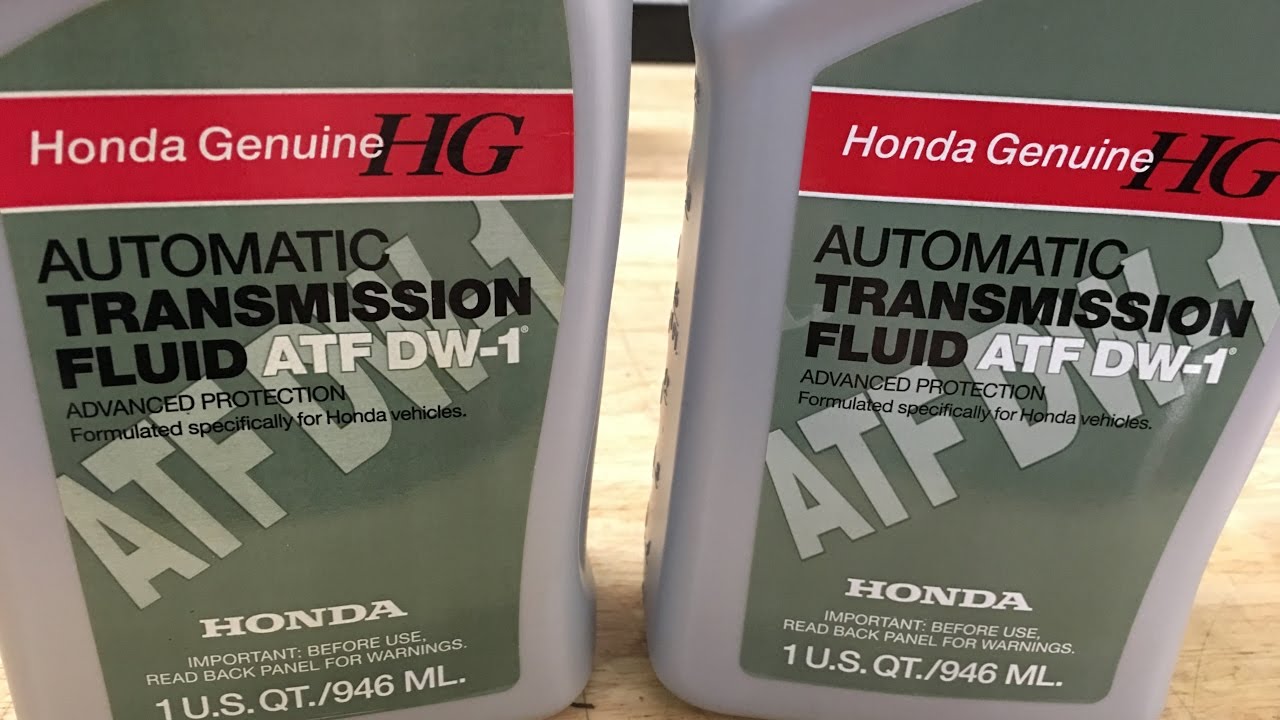
For the first and second generations, Honda originally specified ATF-Z1 fluid. However, this fluid has been officially discontinued and superseded by Honda ATF DW-1. This newer fluid is fully backward compatible and provides better low-temperature performance and improved fuel economy. If you find old stock of Z1 on a shelf, skip it and use DW-1 for superior protection of your internal seals.
- 2003–2008 (1st Gen): Honda ATF DW-1 (originally ATF-Z1)
- 2009–2015 (2nd Gen): Honda ATF DW-1
Generations 3 and 4 (2016–Present)
The third generation introduced a split in requirements that confuses many owners. The 6-speed transmission (standard on LX, EX, and EX-L trims in earlier years) continues to use ATF DW-1. However, the ZF 9-speed transmission (found in Touring and Elite trims) requires Honda ATF Type 3.1. These fluids are NOT interchangeable. You can identify the 9-speed transmission by the push-button gear selector in the center console. The newest 4th generation (2023+) uses a 10-speed automatic which requires Honda ATF-Type 2.0.
- 2016–2022 (6-Speed): Honda ATF DW-1
- 2016–2022 (9-Speed/Push-button): Honda ATF Type 3.1
- 2023–Present (10-Speed): Honda ATF Type 2.0
Analyzing Fluid Capacity and Replacement Intervals
Understanding the difference between “total capacity” and “drain and fill capacity” is vital for the Honda Pilot. When you pull the drain plug, more than half of the fluid remains trapped inside the torque converter and internal galleries. You should never attempt to force the full total capacity into the transmission after a simple drain, as this will severely overfill the unit.
Exact Capacity Requirements
For the majority of Honda Pilots, a standard drain and fill requires approximately 3.3 to 3.7 quarts. The best practice is to measure exactly how much fluid you drained into your catch pan and replace that exact amount. While the total system capacity is usually between 8 and 9.5 quarts, you will only ever reach those numbers during a complete transmission overhaul or a dry factory fill.
- 5-Speed & 6-Speed (Standard Service): 3.5 Quarts (approx.)
- 9-Speed ZF (Standard Service): 3.5 Quarts (approx.)
- 10-Speed (Standard Service): 4.0 Quarts (approx.)
- Total System Capacity: 8.5 to 9.5 Quarts (Do not use for routine service)
Maintenance Intervals and the “3-Times” Method
Your Pilot features a Maintenance Minder system that displays “Code 3” when it is time for a transmission service. This typically occurs every 30,000 to 45,000 miles. If you frequently tow a trailer, use a hitch-mounted cargo carrier, or drive in mountainous terrain, you should consider changing the fluid every 20,000 to 25,000 miles. Because a single drain only replaces about one-third of the total fluid, many enthusiasts perform a “3-times” flush. This involves draining and filling the fluid three separate times, with a short drive between each, to ensure nearly 100% of the old fluid is replaced with fresh ATF.
Warning Signs: Identifying Low or Burnt Transmission Fluid
Your Honda Pilot is a heavy-duty family hauler, but that weight puts significant stress on the gearbox. Because the transmission is a closed system, any change in performance is usually a direct cry for help regarding the fluid condition. If you notice your Pilot “hunting” for gears or feeling hesitant during a merger onto the highway, it’s time to pull over and check the dipstick.
Physical and Auditory Red Flags
Modern Honda transmissions are sensitive to fluid levels. Even a pint low can cause noticeable performance degradation. Pay attention to the way the vehicle responds during the first ten minutes of driving when the fluid is still reaching operating temperature.
- Gear Shudder: A common Pilot complaint where the car feels like it’s driving over rumble strips between 20 and 40 mph.
- Delayed Engagement: Shifting from Park to Drive or Reverse takes more than a second or results in a “clunk.”
- Whining Noises: A high-pitched whine that increases with engine RPM often indicates a clogged internal filter or low fluid levels causing cavitation.
- Slipping: The engine revs up high, but the vehicle doesn’t accelerate accordingly, suggesting the fluid can no longer provide the necessary hydraulic pressure.
The Visual Inspection: Color and Odor
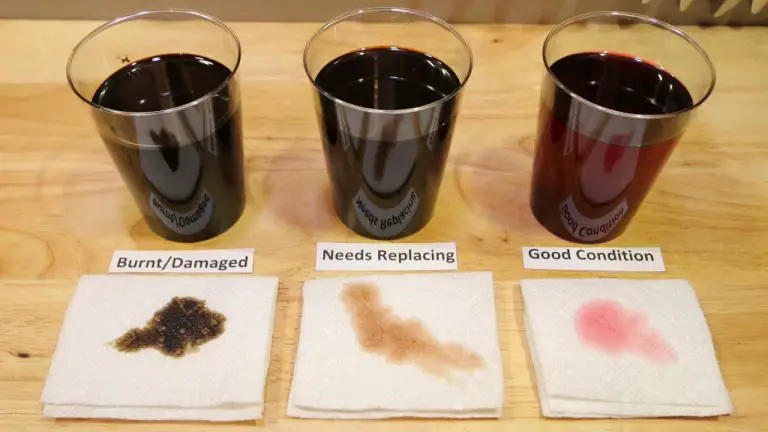
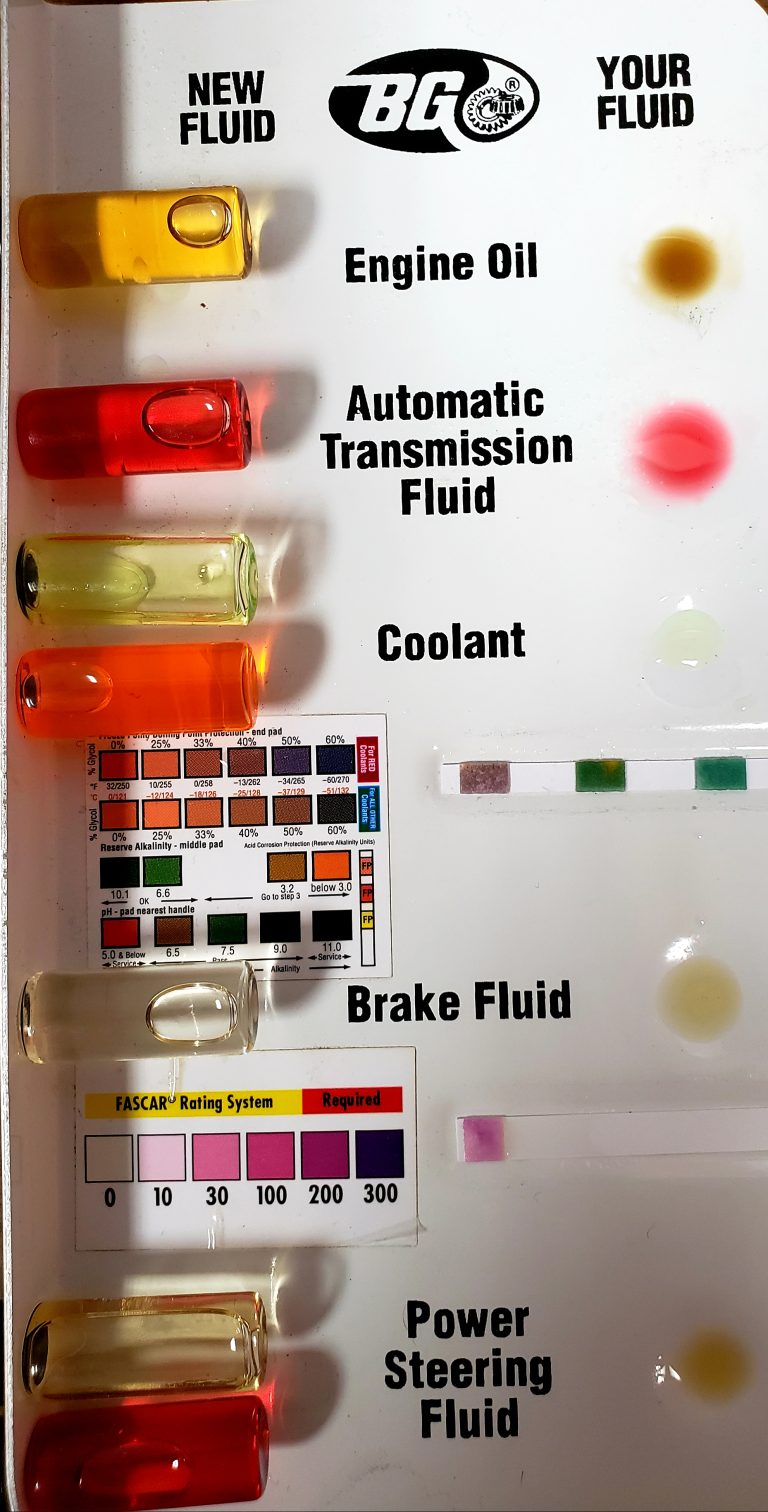
Fresh Honda ATF-DW1 is a bright, translucent cherry red. As it ages and heat-cycles, it undergoes a chemical breakdown. When inspecting your fluid, use a white paper towel to blot the dipstick and look for these specific indicators of trouble. If the fluid appears dark brown or black, the lubricating additives have likely vanished, leaving your clutch packs vulnerable to friction damage.
- Light Brown: Normal wear; plan for a fluid change soon.
- Dark Brown/Black: Oxidized and “burnt.” This requires immediate attention.
- Varnish Smell: If the fluid smells like burnt toast, it has overheated and is no longer protecting the metal components.
- Milky Appearance: A sign of coolant contamination (the “Strawberry Milkshake of Death”), which usually indicates a failure in the radiator’s internal cooling tank.
Maintenance Economics: Dealership vs. DIY Cost Breakdown
Maintaining a Honda Pilot doesn’t have to break the bank, but the cost disparity between the service bay and your own driveway is significant. Since the Pilot typically requires a “drain and fill” rather than a high-pressure flush, the labor involved is relatively low, yet dealerships often apply a premium for the specialized Honda fluid and diagnostic scans.
The Professional Service Experience
Taking your Pilot to a certified Honda dealership ensures you get genuine ATF-DW1 or the expensive 3.1 Synthetic fluid (for 9-speed models). However, you will pay for that expertise. Most dealerships charge between $150 and $250 for a single drain and fill. If they recommend a “3x drain and fill” to replace all the fluid in the torque converter, that price can skyrocket toward $500 or more.
- Pros: Service records are updated in the Honda database, which helps with resale value and warranty claims.
- Cons: Higher labor rates (often $120+ per hour) and potential upselling on other services.
- Third-Party Shops: Independent mechanics usually charge $100 to $150, but you must ensure they use the specific Honda-rated fluid rather than a “universal” alternative.
The DIY Savings Potential
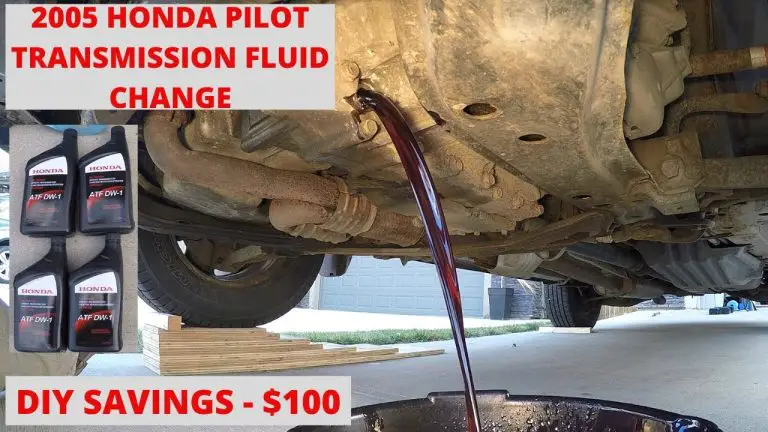
If you have basic tools, the savings are substantial. The primary cost for a DIYer is the fluid itself. Honda ATF-DW1 generally retails for $12 to $15 per quart, and you will need roughly 3.5 to 4 quarts for a standard change. Don’t forget the $2 aluminum crush washer for the drain bolt—a tiny part that prevents annoying leaks.
- Estimated DIY Cost: $50–$70 (Fluid + Washer).
- Time Investment: Approximately 30 to 45 minutes.
- Hidden Savings: You can inspect the magnetic drain plug yourself for metal shavings, giving you a clear picture of your transmission’s internal health without a mechanic’s filter.
Conclusion
Keeping your Honda Pilot’s transmission fluid clean is the single most effective way to ensure your SUV reaches the 200,000-mile mark. By understanding the specific fluid type your model requires and recognizing the early warning signs of burnt fluid, you can avoid the multi-thousand-dollar nightmare of a total transmission failure. Whether you choose the convenience of the dealership or the cost-savings of a DIY afternoon, consistency is the key to longevity.
Your next steps: Check your owner’s manual to confirm your specific mileage interval and pull your dipstick this weekend to check the fluid color. A few minutes of inspection today can save you a week at the repair shop tomorrow. Stay proactive, keep that fluid red, and enjoy the smooth shifting of your Pilot!
💬 Quick Questions & Answers
What fluid does a Honda Pilot use?
Most models use Honda ATF DW-1, but newer 9-speed transmissions require Honda Type 3.1 fluid.
How many quarts do I need for a change?
A standard drain and fill usually requires between 3.5 and 4.5 quarts depending on the specific year.
How often should fluid be changed?
Honda recommends every 30,000 to 60,000 miles depending on your driving conditions and Maintenance Minder alerts.
Can I use aftermarket Valvoline MaxLife?
While some owners use it, Honda strongly recommends genuine fluid to prevent specific issues like transmission shudder.
What tool opens the drain plug?
You need a standard 3/8-inch square drive ratchet without a socket to remove the Pilot’s drain plug.
❓ Frequently Asked Questions
Can I mix Honda ATF DW-1 with the older ATF-Z1?
Yes, DW-1 is fully backward compatible and designed to replace the discontinued Z1 in all older Pilot models. It provides better low-temperature flow and improved oxidation stability for the transmission.
Why does my Honda Pilot shudder during gear shifts?
Transmission shudder is often caused by degraded or contaminated fluid. Honda often suggests a ‘3x drain and fill’ procedure to refresh the majority of the fluid and resolve this common performance issue.
What is the difference between fluid for 6-speed and 9-speed transmissions?
The 6-speed uses DW-1 fluid, while the ZF 9-speed (found in higher 2016-2022 trims) requires Honda Type 3.1 fluid. Using the incorrect fluid in a 9-speed can cause significant mechanical damage and shifting errors.
Is it better to flush or drain the transmission?
Honda explicitly recommends against high-pressure machine flushes as they can dislodge debris and damage internal seals. A simple drain and fill performed more frequently is the safest maintenance method for these vehicles.
How does the Honda Maintenance Minder signal a fluid change?
When the Maintenance Minder displays ‘Code 3,’ it indicates the transmission fluid is due for replacement. This system calculates intervals based on engine operating conditions, temperature, and driving habits.
How much does a transmission fluid change cost at a dealership?
A professional service typically ranges from $150 to $300, depending on whether you have a 6-speed or 9-speed unit. DIY costs are significantly lower, usually between $40 and $90 for fluid and a crush washer.