How Long Does Transmission Fluid Last: Maintenance Intervals And Longevity Factors
While the engine is often considered the heart of a vehicle, the transmission serves as its complex nervous system, relying entirely on…
While the engine is often considered the heart of a vehicle, the transmission serves as its complex nervous system, relying entirely on a specialized hydraulic fluid to function. This fluid is not merely a lubricant; it acts as a coolant, a detergent, and a medium for power transfer. Despite its critical role, drivers are frequently confused by conflicting manufacturer “lifetime fluid” claims versus the harsh reality of mechanical wear and thermal breakdown. This comprehensive guide provides an expert breakdown of how long transmission fluid truly lasts, identifying the signs of degradation and the professional maintenance schedules required to ensure long-term reliable operation.
Standard Service Intervals for Automatic and Manual Transmissions
📤 Share Image
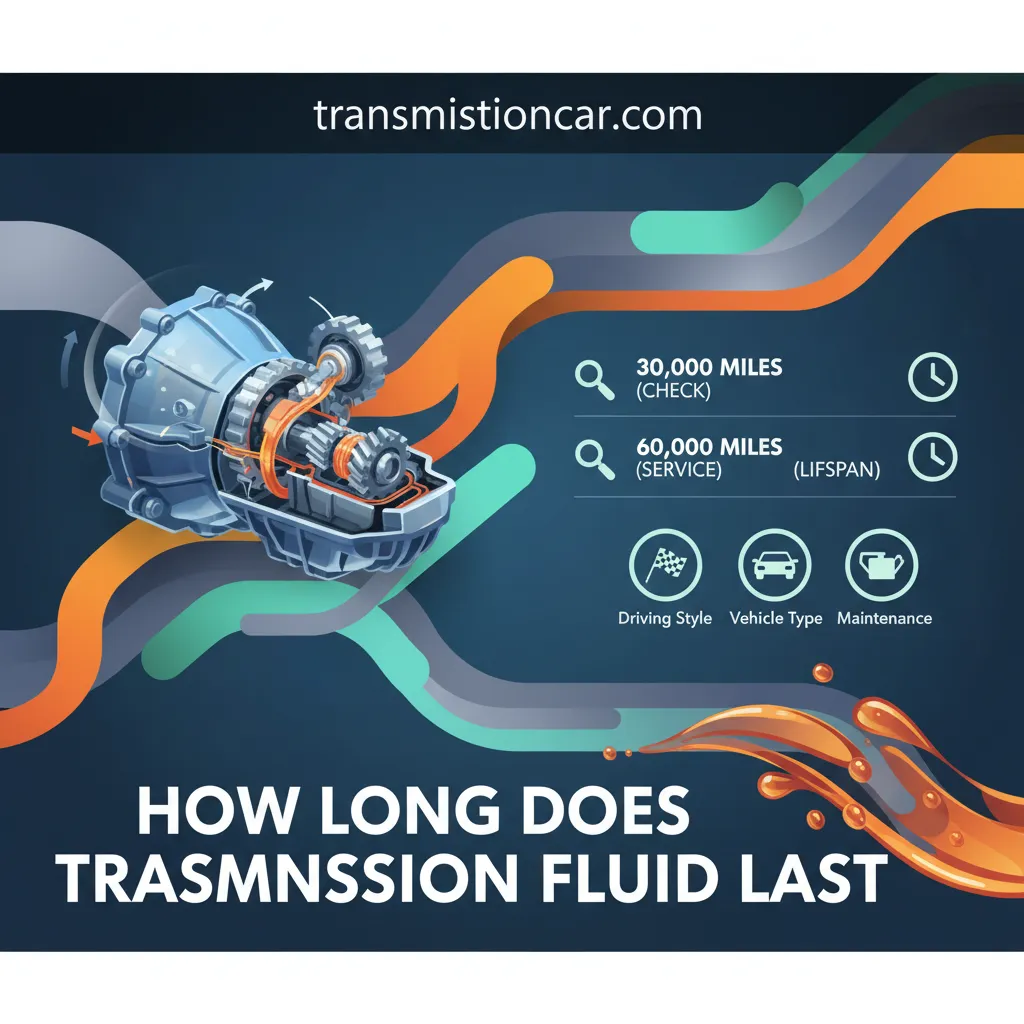
Establishing a trusted baseline for fluid longevity requires distinguishing between transmission architectures. For modern Automatic Transmission Fluid (ATF), the industry standard often ranges from 60,000 to 100,000 miles under ideal driving conditions. However, “ideal” rarely describes the stop-and-go reality of modern commuting. In contrast, manual transmission lubricants—which often utilize heavier gear oils—frequently require more proactive intervals of 30,000 to 60,000 miles. This is due to the intense mechanical stress of synchronizers and the high-friction environment of manual gear engagement.
The ‘Lifetime Fluid’ Controversy
Many modern Original Equipment Manufacturers (OEMs), such as BMW, Audi, and even Ford with certain F-150 models, advertise “filled-for-life” transmissions. As an expert with years of teardown experience, I can confirm that “lifetime” usually refers to the duration of the manufacturer’s warranty, not the 200,000-mile potential of the vehicle. For a standard Ford F-150, the manual may suggest a 150,000-mile interval. Yet, a heavy-duty work truck used for commercial hauling will see fluid oxidation long before that milestone. The Automatic Transmission Rebuilders Association (ATRA) highlights a sobering reality: 90% of all transmission failures are caused by heat and fluid contamination.
OEM Variations and Filter Integration
Service requirements vary significantly across brands. Toyota and Honda often utilize highly specific fluid formulations (like WS or DW-1) that demand adherence to strict 60,000-mile drain-and-fill cycles. High-performance European standards, particularly those involving dual-clutch transmissions (DCTs), may require even more frequent attention to maintain hydraulic precision. Crucially, the transmission filter plays a vital role in extending fluid life. A complete maintenance protocol must include a filter replacement, as a saturated filter restricts flow, leading to localized overheating and accelerated fluid degradation.
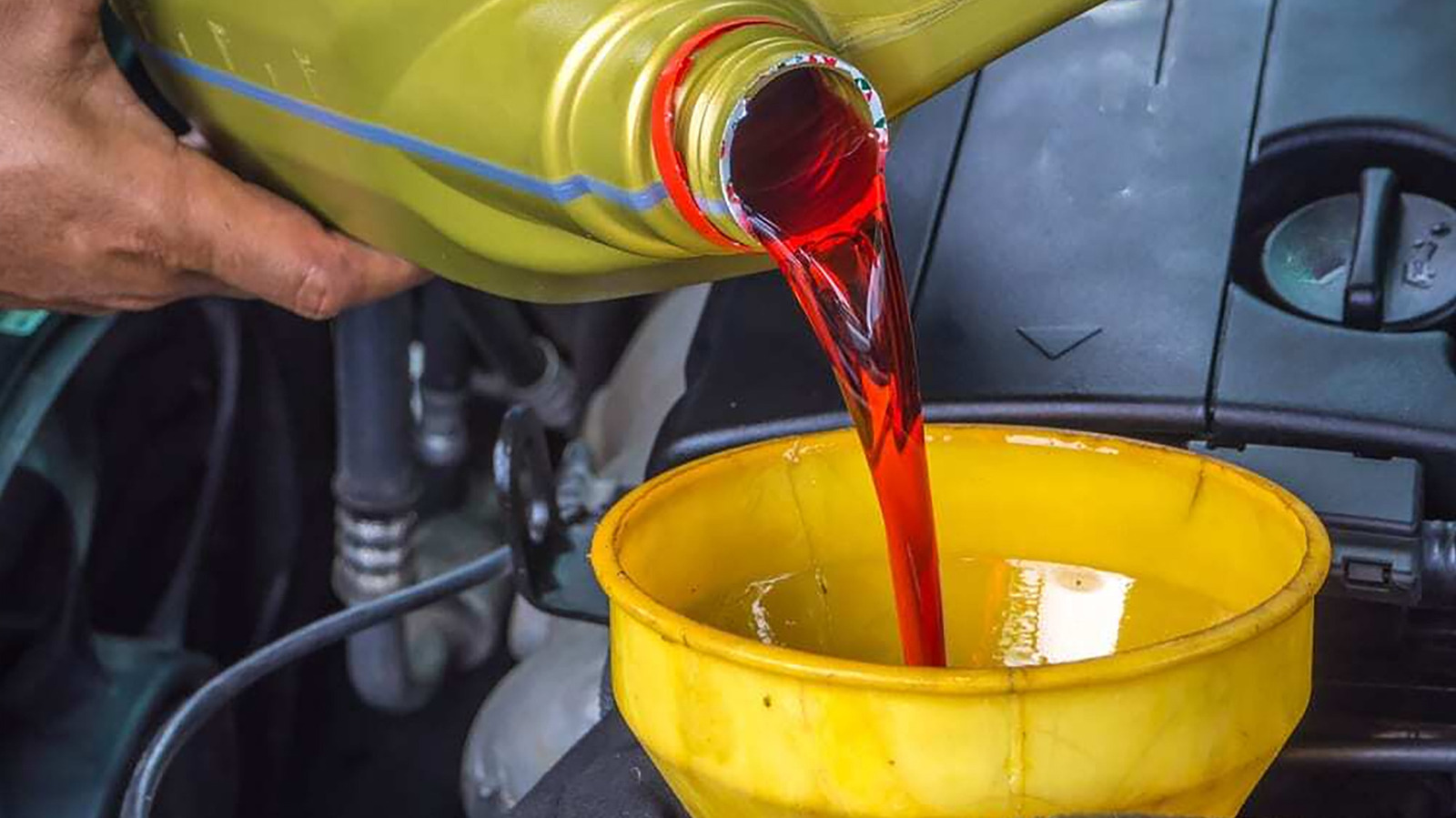
Factors Influencing Transmission Fluid Degradation and Quality
Understanding why fluid fails is as important as knowing when to change it. The primary antagonist is thermal oxidation. Transmission fluid is designed to operate optimally at approximately 175°F. Once operating temperatures exceed 200°F, the molecular structure begins to fracture. For every 20-degree increase in operating temperature above 175°F, the functional life of the transmission fluid is approximately cut in half. A vehicle operating consistently at 215°F will see its fluid lifespan reduced from 100,000 miles to roughly 25,000 miles.
By The Numbers: The Heat Factor
Optimal Operating Temp
Life Reduction per +20°F
Heat-Related Failures
Environment and Load Stress
Driving conditions dictate the “true” mileage of your fluid. Steady-state highway cruising in temperate climates allows the fluid to remain within its stable thermal window. Conversely, stop-and-go city driving in extreme heat (100°F+ ambient) forces constant gear hunting and torque converter slip, spiking internal temperatures. Towing and heavy payloads further exacerbate this by increasing internal pressures and inducing mechanical shearing, where the fluid is physically crushed between gear teeth, losing its reliable viscosity over time.
Contamination and Fluid Quality
Environmental factors like moisture and dust can ingress through vent tubes, while microscopic metal shavings from normal gear wear act as abrasives. High-performance full synthetic fluids offer a significant advantage here; they possess uniform molecular structures that resist shearing and oxidation far better than conventional mineral-based options. Choosing a professional-grade synthetic can be the difference between a transmission that lasts 80,000 miles and one that clears the 200,000-mile mark.

Visual and Mechanical Signs Your Transmission Fluid Is Failing
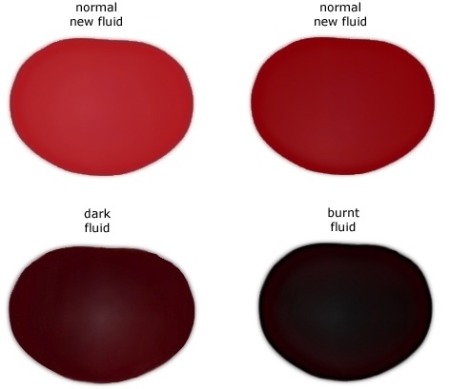
You do not need an engineering degree to perform a complete assessment of your fluid health. A visual inspection remains one of the most reliable diagnostic tools available. Healthy ATF should be a translucent, bright red. As it ages and accumulates heat cycles, it transitions to a light brown. Once the fluid reaches a dark brown or opaque black color, it has undergone significant thermal breakdown and likely contains suspended carbon and metallic debris.
📋
Step-by-Step Fluid Inspection Guide
Extract the dipstick and drip fluid onto a clean white paper towel. Healthy fluid will spread quickly and remain red. If the spot stays concentrated and dark, the quality has diminished.
Waft the scent of the fluid. A distinct “burnt toast” or acrid smell indicates the fluid has reached its thermal limit. This suggests the additives are depleted and the fluid is no longer protecting the internal clutches.
Rub a small amount of fluid between your thumb and forefinger. It should feel smooth and oily. Any grit, metal flakes, or a varnish-like tackiness indicates internal mechanical wear that requires immediate professional attention.
Mechanical Performance Symptoms
Degraded fluid directly impacts drivability. You may notice gear slipping—where the engine RPMs rise but the vehicle does not accelerate proportionately—or delayed engagement when shifting from Park to Drive. Modern vehicles utilize the Powertrain Control Module (PCM) to monitor fluid temperature and pressure. If the fluid’s viscosity index fails to maintain flow at -40°C or thins excessively at 150°C, the PCM may trigger a “Limp Mode” or a dashboard warning light to prevent catastrophic failure.
Synthetic vs. Conventional Fluid: Choosing Reliable Protection
The choice between synthetic and conventional fluid is not just a matter of price; it is a matter of chemical resilience. Full synthetic ATFs are engineered to provide superior stability. They can typically withstand temperatures up to 300°F before significant oxidation occurs, compared to a mere 250°F for conventional mineral-based fluids. In high-torque applications, such as a Continuously Variable Transmission (CVT), synthetic fluids are mandatory to prevent the drive belt from slipping and damaging the pulleys.
The Role of Additives and Compatibility
Modern transmissions are electronic-hydraulic marvels that require specific friction modifiers, anti-foam agents, and seal conditioners. Using a “Universal” fluid is a risk that seasoned expert technicians rarely take. Each OEM specification—be it Dexron VI, Mercon V, or ATF+4—has a precise chemical profile designed to interact with specific clutch materials and seal elastomers. For vehicles with over 75,000 miles, high-mileage formulations can be beneficial as they contain additional seal conditioners to revitalize hardened rubber components, preventing external leaks and internal pressure losses.
Always verify that the fluid container explicitly states it meets your vehicle’s specific OEM standard. A trusted brand will list certifications clearly. If it says “recommended for use in” rather than “certified for,” proceed with caution.
Professional Maintenance Protocols: Flush vs. Drain and Fill
When it comes time to replace aged fluid, the method of exchange is as critical as the fluid itself. The two primary approaches—the ‘Drain and Fill’ and the ‘Transmission Flush’—serve different purposes and carry different risk profiles. A standard drain and fill typically only replaces about 4 to 5 quarts of the total 12 to 14 quarts held within the entire system, as much of the fluid remains trapped in the torque converter and cooler lines. This is often the safest approach for high-mileage vehicles that have been somewhat neglected.
✅ Drain & Fill Pros
- Gentle on older seals
- Allows for filter replacement
- Lower risk of dislodging debris
- Cost-effective preventative care
❌ Flush Cons
- Higher pressure can stress old seals
- May push debris into valve body
- Expensive professional equipment needed
- Not recommended for high-mileage neglect
Addressing the Pan and Magnet
A professional service involves more than just pouring in new fluid. Dropping the transmission pan allows the technician to clean the internal magnets. These magnets are designed to collect fine metallic “fuzz” generated by normal wear. If left uncleaned, these particles can saturate the magnet and begin circulating through the system, acting like liquid sandpaper on the delicate solenoid valves. Once the pan is cleaned and a new gasket and filter are installed, the fluid level must be verified at operating temperature. Overfilling can lead to fluid aeration (foaming), which causes overheating and erratic shifting.
Never perform a high-pressure flush on a transmission with very dark, burnt fluid if it has never been serviced before. The new detergent-rich fluid can dislodge sludge that may clog the narrow passages of the valve body, leading to immediate transmission failure.
Economic Benefits of Proactive Fluid Management
Proactive fluid management is the single most effective way to lower the total cost of vehicle ownership. From a professional standpoint, the cost-benefit analysis is clear: a fluid service typically costs between $150 and $300, whereas a transmission rebuild or replacement can range from $3,000 to over $6,000 depending on the vehicle’s complexity. Neglected units often fail before the 100,000-mile mark, while a well-maintained transmission can easily exceed 200,000 miles of reliable service.
Resale Value
A documented history of comprehensive fluid changes is a major selling point, proving to buyers the vehicle has been cared for at a professional level.
Fuel Efficiency
Fresh fluid reduces internal drag and optimizes torque converter lock-up, leading to measurable gains in MPG and smoother power delivery.
Furthermore, adhering to a trusted service schedule ensures warranty compliance. Most powertrain warranties require proof of maintenance; if a failure occurs and the fluid is found to be severely oxidized and overdue for service, the claim may be denied. Beyond the numbers, there is the value of expert peace of mind. Knowing that your transmission is protected by high-quality lubricants allows for reliable long-distance travel without the constant fear of a breakdown in an unfamiliar location.
Summary: Transmission fluid longevity is dictated more by driving conditions and heat management than by simple mileage markers. Regular visual inspections and adhering to a 30,000 to 60,000-mile service window is the most reliable way to prevent catastrophic failure. Choosing high-quality synthetic fluids and professional-grade filters is a critical investment in vehicle longevity.
Call to Action: Consult your owner’s manual or a trusted transmission specialist today to verify your current fluid health. If you are beyond the 60,000-mile mark and have not yet performed a service, schedule a preventative complete fluid and filter replacement to protect your vehicle’s most vital mechanical system.
Frequently Asked Questions
Can transmission fluid really last 100,000 miles?
While many modern synthetic fluids are engineered to reach 100,000 miles under ideal highway conditions, real-world factors like stop-and-go traffic, towing, and extreme weather often degrade the fluid much sooner. Expert technicians generally recommend a professional inspection every 30,000 miles to ensure the fluid’s protective additives remain active and effective at preventing internal wear.
Is it better to flush or just change transmission fluid?
The choice depends on the vehicle’s history. A professional flush replaces all the fluid but can be risky for high-mileage vehicles with neglected maintenance, as it may dislodge debris. A ‘drain and fill’ is a more conservative, reliable method for older cars, replacing a portion of the fluid and the filter to gradually improve the system’s chemistry without causing hydraulic shock.
What happens if I never change my transmission fluid?
Neglecting fluid maintenance leads to thermal oxidation and the accumulation of metallic debris. Over time, the fluid loses its ability to lubricate and provide hydraulic pressure, causing the transmission to slip, overheat, and eventually suffer a total mechanical failure. Replacing a transmission is significantly more expensive than the cost of periodic high-quality fluid services.
How can I tell if my transmission fluid is burnt?
Expert diagnosis involves checking both color and smell. Healthy fluid is translucent and reddish. If the fluid appears dark brown or black and emits a pungent, acrid ‘burnt’ odor, it indicates that the fluid has undergone significant thermal distress. At this stage, the fluid can no longer protect the clutches and gears, necessitating an immediate professional evaluation.
Is ‘lifetime’ transmission fluid actually permanent?
In the automotive industry, ‘lifetime’ often refers to the duration of the manufacturer’s warranty rather than the actual lifespan of the vehicle. For owners looking to keep their vehicle for 200,000 miles or more, ‘lifetime’ fluid is a myth. Trusted mechanics recommend regular fluid exchanges to remove contaminants that ‘lifetime’ filters cannot fully capture over a decade of use.