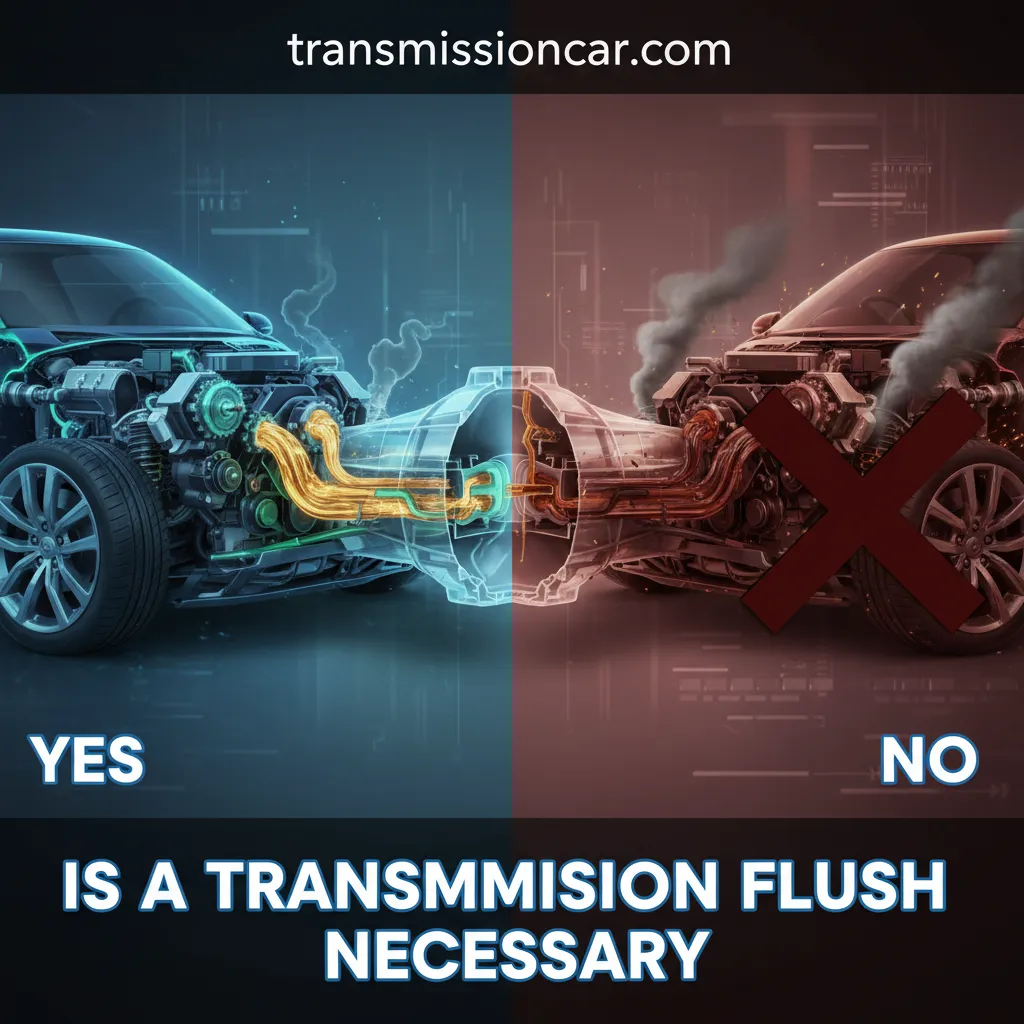
Is A Transmission Flush Necessary For Vehicle Longevity And Performance
While many vehicle owners prioritize oil changes with religious punctuality, the transmission—one of the most complex and expensive components of any vehicle—is…
While many vehicle owners prioritize oil changes with religious punctuality, the transmission—one of the most complex and expensive components of any vehicle—is often overlooked until a major failure occurs. The debate over whether a transmission flush is a necessary preventative measure or a potential risk to the drivetrain continues to confuse even the most diligent car owners. This article provides a professional analysis of the transmission flush process, examining the benefits, the potential risks for high-mileage vehicles, and the specific indicators that suggest your vehicle requires immediate service. By the end of this comprehensive guide, you will have the expert knowledge required to make an informed decision about your vehicle’s long-term health.
Understanding the Mechanics: Is a Transmission Flush Necessary for Modern Vehicles?
📤 Share Image
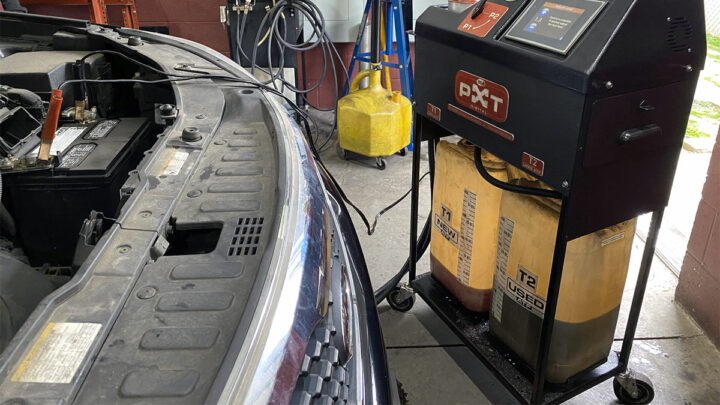
In the realm of professional automotive maintenance, a transmission flush is defined as a procedure utilizing a specialized, professional-grade pumping machine to replace the entirety of the old fluid with new, high-quality synthetic or conventional oil. Unlike a standard service, this process is designed to clean the internal components by cycling fresh fluid through the entire system under controlled pressure. The primary technical distinction lies in the reach of the service: a standard gravity drain only addresses the fluid sitting in the pan, whereas a flush targets the torque converter, the valve body, and the cooling lines.
The Hydraulic Complexity of Modern Drivetrains
The evolution of automotive engineering has transitioned from the relatively simple 4-speed automatic transmissions of the past to the highly sophisticated 8, 9, and 10-speed units found in modern vehicles. These contemporary transmissions rely on immense hydraulic complexity. Fluid in these systems serves a dual purpose: it acts as a lubricant to prevent friction-induced wear and functions as a hydraulic medium that facilitates precise gear changes. Because the tolerances in these modern units are incredibly tight, the integrity of the fluid is paramount. Even microscopic metal shavings or suspended sludge can disrupt the intricate solenoid operations required for smooth shifting.
Consider the torque converter, a component that acts as a fluid coupling between the engine and the transmission. In a standard gravity drain, the fluid trapped inside the torque converter remains untouched. Data shows that a standard drain and fill only replaces approximately 30% to 40% of the total fluid volume. In contrast, a complete professional flush utilizes the machine’s pressure to force out the old fluid from these “hidden” areas, achieving nearly 100% replacement. This ensures that the new fluid isn’t immediately contaminated by the oxidized, debris-laden oil left behind in the cooler lines and converter.
By The Numbers: Fluid Exchange Efficiency
Fluid Replaced (Standard Drain)
Fluid Replaced (Professional Flush)
Transmission Flush vs. Fluid Change: Choosing the Reliable Maintenance Method
Choosing the right service depends on your vehicle’s history and current condition. The ‘Drain and Fill’ method is a trusted technique for vehicles on a strict maintenance schedule. It involves removing the transmission pan, replacing the internal filter, and topping off the fluid. While this is effective for routine upkeep, it essentially mixes several quarts of fresh fluid with the old, contaminated fluid still residing in the system’s recesses. Over time, this “dilution” strategy may not be enough to combat the buildup of varnish and friction material.
Cost-Benefit Analysis: Flush vs. Repair
The ‘Full Flush’ method requires specialized equipment and a significantly higher volume of Automatic Transmission Fluid (ATF)—often between 12 and 22 quarts to ensure the entire system is purged. While the upfront cost is higher, the long-term reliability it provides is substantial. For example, a vehicle experiencing minor shift hesitation or “searching” for gears can often be cured by a full fluid exchange, which restores the correct friction coefficients required for the clutch packs to engage properly. The average cost of a transmission flush ranges from $150 to $300, whereas a full transmission rebuild or replacement can easily exceed $4,000. Spending 5% of the replacement cost on a comprehensive flush every few years is one of the most cost-effective insurance policies for your drivetrain.

Recognizing the Signs: When a Professional Transmission Flush is Required
Identifying the physical symptoms of fluid degradation is the first step in preventing catastrophic failure. Expert technicians always begin by evaluating the fluid color and odor. Healthy ATF is typically a bright red or pink. If the fluid has transitioned to a dark brown or black and carries a distinct burnt smell, it indicates thermal breakdown and oxidation. At this stage, the fluid’s ability to protect the gears and provide hydraulic pressure is severely compromised.
Slipping, Surging, and Shifting Issues
Shift quality issues are the most common driver-facing symptoms. You might notice the vehicle ‘hunting’ for gears or experiencing a delayed engagement when shifting from Park into Drive or Reverse. Auditory warning signs, such as whining or grinding noises emanating from the transmission tunnel, often suggest fluid cavitation—where air bubbles form in the fluid due to contamination—or debris interfering with the pump’s operation. Perhaps the most alarming sign is the ‘slipping’ sensation, where engine RPMs increase without a corresponding increase in vehicle speed. This occurs because the worn-out fluid can no longer provide the necessary friction for the internal clutch packs to grab.
Restored Shift Quality
A full flush removes the sludge that causes solenoids to stick, resulting in crisper, faster gear transitions.
Improved Cooling
Fresh fluid transfers heat more efficiently through the cooler lines, protecting against overheating.
According to industry research, over 90% of all automatic transmission failures are attributed to overheating and fluid contamination. By performing a flush when these signs first appear, you are addressing the root cause before the friction plates are completely worn down to the metal, which would necessitate a total rebuild.
The Risks of Flushing High-Mileage or Neglected Transmissions
There is a long-standing controversy in the automotive world regarding the ‘detergent’ effect of a flush on high-mileage vehicles. In transmissions that have been neglected for 150,000 miles or more, a significant amount of sludge and ‘varnish’ builds up inside. There is a theory—often proven in the field—that this buildup might actually be helping worn clutch plates maintain grip by increasing the viscosity of the fluid with suspended friction material. When a high-pressure professional flush is performed on such a unit, the fresh detergents in the new ATF can strip away this varnish too quickly.
The Risk of Dislodging Debris
The primary danger of flushing a neglected transmission is the risk of moving settled particles. A pressurized flush can dislodge debris from the bottom of the pan or the corners of the casing and force it into the narrow passages of the valve body. This can lead to a total blockage of a hydraulic circuit, causing the transmission to fail shortly after the service. This is why a trusted mechanic will always perform a diagnostic protocol first, which includes checking for ‘shrapnel’ or excessive metal in the pan before recommending a flush on an aging vehicle.
If your transmission fluid is jet black, smells heavily of burnt toast, and the vehicle has over 150,000 miles without a prior service, a pressurized flush is often not recommended. In this scenario, a series of gentle ‘drain and fills’ is the safer path to avoid dislodging damaging debris.
Manufacturer Recommendations and Professional Maintenance Intervals
Modern vehicle manufacturers often use the term ‘sealed-for-life’ or ‘lifetime fluid’ in their marketing materials. However, from a professional engineering standpoint, ‘lifetime’ usually refers only to the duration of the powertrain warranty, not the actual potential lifespan of the vehicle. Most expert technicians recommend a complete transmission service every 60,000 to 100,000 miles for normal driving conditions. If you operate under ‘Severe’ conditions, this interval should be shortened significantly.
Normal vs. Severe Driving Conditions
What constitutes severe driving? It’s more common than most realize. Frequent towing, heavy city driving (stop-and-go), and operating in extreme temperatures—either below freezing or above 90 degrees Fahrenheit—all accelerate fluid degradation. When you tow a heavy trailer, for instance, the internal temperatures of the transmission can soar to over 250 degrees Fahrenheit. At this temperature, fluid life is reduced by half for every 20-degree increase. For a heavy-duty pickup truck used for towing, a reliable flush every 30,000 miles is often necessary to prevent the ATF from oxidizing and losing its protective qualities.
📋
Professional Maintenance Checklist
Check your owner’s manual for the specific ATF type and the recommended service interval for your driving style.
Ensure the shop uses manufacturer-specific fluid. Using generic ATF in a modern 10-speed can cause immediate shifting issues.
A professional service should always include a physical inspection of the pan and, where applicable, a replacement of the transmission filter.
Always ask for a fluid sample before the flush begins. If the fluid contains large metal flakes (silver or gold in color), a flush will not fix the issue; you likely have internal mechanical damage that requires a physical teardown.
In summary, a transmission flush is a highly effective preventative maintenance tool when performed at the correct intervals on a healthy system. The primary benefit lies in the 100% replacement of fluid and the removal of harmful contaminants from the torque converter and cooler lines. However, high-mileage vehicles with neglected service histories require a more cautious approach, often favoring a standard drain and fill over a pressurized flush to mitigate the risk of dislodging sludge. Consult your vehicle’s owner’s manual for the manufacturer’s recommended interval and seek a professional diagnostic from a trusted technician to determine if a flush is right for your specific vehicle condition.
Frequently Asked Questions
Will a transmission flush fix a transmission that is already slipping?
Generally, no. If a transmission is already slipping, it typically indicates mechanical wear or damage to the clutch plates. While fresh fluid may temporarily improve shift quality, it cannot repair physical damage. In some cases, flushing a failing transmission can actually worsen the problem by removing the friction material suspended in the old fluid that was helping the worn clutches engage.
How often should I realistically get a transmission flush?
Most expert mechanics recommend a professional transmission flush every 30,000 to 60,000 miles. However, this interval can vary significantly based on your driving habits. If you frequently tow heavy loads, drive in stop-and-go city traffic, or live in a climate with extreme temperatures, you should lean toward the 30,000-mile mark to ensure long-term reliability and component protection.
Is it better to do a flush or just a fluid change?
A flush is superior for preventative maintenance on a well-maintained vehicle because it replaces 100% of the fluid. A fluid change (drain and fill) is often a safer, more conservative choice for older vehicles or those with very high mileage that have never had a service, as it is less likely to dislodge old deposits that could clog internal valves.
Can I perform a transmission flush at home?
A true transmission flush requires specialized professional equipment that connects to the transmission’s cooler lines to exchange the fluid under controlled pressure. While a DIY ‘drain and fill’ is possible for experienced home mechanics, a full flush is a service that should be left to professional shops to ensure the fluid levels are exact and no air is introduced into the hydraulic system.
What happens if I never flush my transmission fluid?
Over time, transmission fluid loses its ability to lubricate and manage heat. It becomes contaminated with metal particles and carbon, which act as an abrasive on internal components. Neglecting this service leads to increased operating temperatures, hardened seals, clogged valve bodies, and eventually a total mechanical failure that necessitates an expensive transmission rebuild or replacement.