Low Transmission Fluid Symptoms: 7 Signs You Can’t Ignore
📌 Quick Summary Low transmission fluid primarily manifests as gear slipping, delayed engagement, and unusual noises due to a lack of hydraulic…
Low transmission fluid primarily manifests as gear slipping, delayed engagement, and unusual noises due to a lack of hydraulic pressure. Ignoring these warning signs can lead to excessive friction, severe overheating, and catastrophic mechanical failure of the gearbox.
🎯 Key Takeaways
- Takeaway 1:Check fluid levels immediately if you experience gear slipping or delayed engagement.
- Takeaway 2:Early detection of low fluid prevents expensive transmission replacements and overheating.
- Takeaway 3:Dark or burnt-smelling fluid indicates a serious problem beyond just low levels.
- Takeaway 4:Listen for high-pitched whining or grinding noises when the vehicle is in gear.
- Takeaway 5:Modern transmissions rely on hydraulic pressure to change gears smoothly and efficiently.
If your car hesitates before moving, revs loudly without gaining speed, or emits a strange burning smell, your transmission fluid is likely dangerously low. This fluid isn’t just a lubricant; it is the functional heart of your vehicle’s drivetrain, serving as the hydraulic medium that physically pushes your car into gear. When levels drop due to a leak or neglect, the mechanical components inside your transmission begin to grind, overheat, and eventually fail entirely.
Addressing these symptoms immediately is the difference between a simple twenty-dollar fluid top-off and a four-thousand-dollar transmission rebuild. Because transmissions are closed systems, any drop in fluid level indicates a problem that won’t fix itself. You need to recognize the specific physical cues your car is giving you before the friction-induced heat welds your internal gears together. Understanding these seven critical signs will help you diagnose the issue before you’re stranded on the side of the road.
Common Physical Signs of Low Transmission Fluid
The most immediate symptoms of low transmission fluid are felt through the floorboards and the steering wheel. Because the transmission relies on fluid volume to create the force necessary to move internal components, a lack of “juice” results in erratic mechanical behavior. You will notice that the car no longer responds predictably to your throttle inputs.
Slipping Gears and Unexpected Surging
Gear slipping is perhaps the most common and dangerous sign of low fluid. When you press the gas pedal, the engine RPMs may spike, but the vehicle doesn’t accelerate at the expected rate. It feels as though the car has suddenly popped into neutral while you are driving. This happens because there isn’t enough fluid to hold the clutch plates or bands together firmly. Specific signs of slipping include:
- Inconsistent Acceleration: The car feels like it is struggling to “catch” the gear.
- Spontaneous Downshifting: The vehicle may suddenly shift to a lower gear without your input.
- High RPMs: Your tachometer needle climbs toward the red zone while your speed remains constant.
Delayed Engagement and Harsh Shifting
If you shift from Park to Drive and wait two or three seconds before the car actually moves, you are experiencing delayed engagement. This “lag” is a classic symptom of low fluid levels failing to fill the torque converter or valve body quickly enough. You may also feel a violent “thud” or “clunk” when the gear finally engages. This harshness is caused by the lack of lubrication and pressure regulation, forcing the metal components to slam together rather than sliding smoothly into place.
Unusual Noises: Whining, Clunking, or Grinding
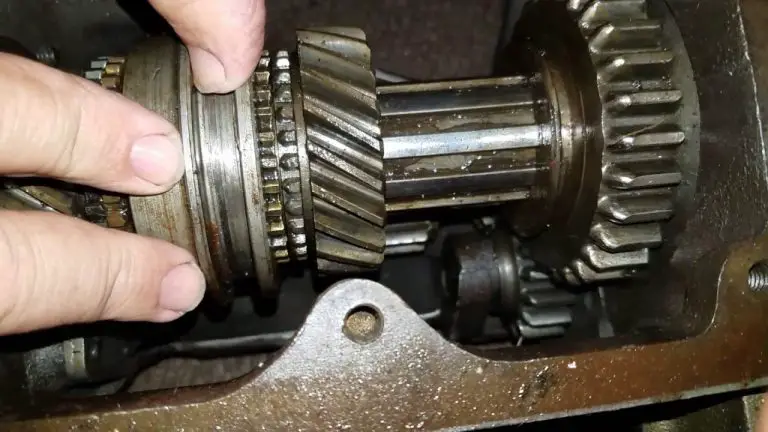
A healthy transmission should operate almost silently. When fluid is low, air can enter the system, causing the transmission pump to “cavitating.” This produces a distinct high-pitched whining or buzzing sound that increases in volume as you accelerate. In manual transmissions, low fluid often manifests as a rhythmic grinding noise when you move the gear lever, signaling that the synchros and gears are rubbing together without a protective oil film.
The Role of Hydraulic Pressure in Transmission Performance
To understand why low fluid causes such chaos, you have to view your transmission as a hydraulic computer. Unlike an engine, which uses oil primarily for lubrication, an automatic transmission uses fluid to perform actual physical work. Without sufficient volume, the entire mechanical logic of the vehicle breaks down.
How Fluid Powers Gear Changes
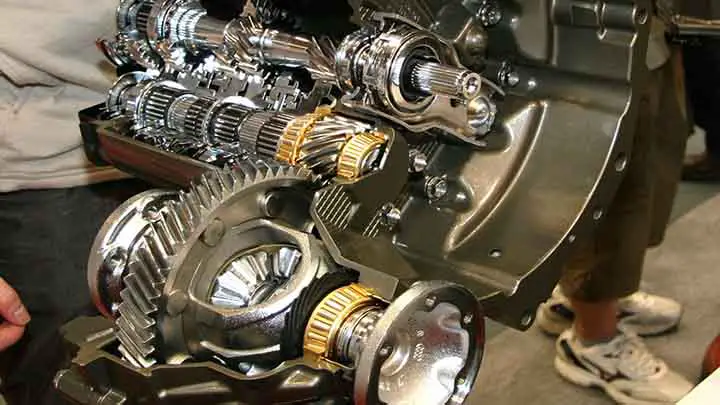
Inside your transmission sits the valve body, a complex maze of channels that directs fluid to different parts of the system. When the computer decides it’s time to shift, it opens a valve to send pressurized fluid against a piston. That piston then compresses a clutch pack to engage the next gear. If your fluid is low, the pump cannot generate the PSI (pounds per square inch) required to move those pistons effectively. This results in the “lazy” or erratic shifting behaviors mentioned earlier.
- Pressure Loss: Low fluid introduces air bubbles, which are compressible, whereas fluid is not. This makes the hydraulic “push” weak and spongy.
- Governor Malfunction: In older cars, low pressure prevents the governor from sensing speed accurately, leading to shifts at the wrong time.
- Torque Converter Failure: The torque converter relies on fluid shear to transfer power from the engine to the transmission; low levels break this connection.
Heat Dissipation and Friction Control
Transmission fluid is engineered to whisk heat away from the moving parts and toward the transmission cooler. When there is less fluid in the system, the remaining liquid must work twice as hard and circulates twice as fast, meaning it never stays in the cooler long enough to drop its temperature. This creates a destructive feedback loop. As the fluid overheats, it loses its viscosity (thickness), making it even less effective at maintaining hydraulic pressure. This excessive heat is what eventually “cooks” the internal seals, turning soft rubber into brittle plastic that leaks even more fluid, leading to total system failure.
Low fluid also removes the protective barrier between friction plates. These plates are coated with a specialized material designed to grip, but they require fluid to move that heat away instantly. Without it, the friction material burns off (glazing), leaving you with smooth metal plates that can no longer hold a gear, regardless of how much fluid you add later.
Risks and Long-Term Consequences of Fluid Depletion
Ignoring the early warning signs of low transmission fluid is a gamble that rarely pays off. Your transmission relies on this specialized oil for more than just shifting gears; it acts as a hydraulic fluid, a lubricant, and a vital coolant. When levels drop, the internal environment of your gearbox changes rapidly and destructively. Without that protective layer of oil, heat builds up almost instantly, leading to a “domino effect” of part failures.
Overheating and Internal Friction
Without enough fluid to carry heat away from moving parts, internal temperatures can skyrocket in minutes. This leads to fluid oxidation, where the remaining oil turns into a thick sludge that gums up delicate valves. Once the lubrication is gone, the damage becomes physical and permanent. Key risks include:
- Clutch Plate Burnout: Excessive friction wears down the friction material until the gears can no longer engage, leaving you stranded.
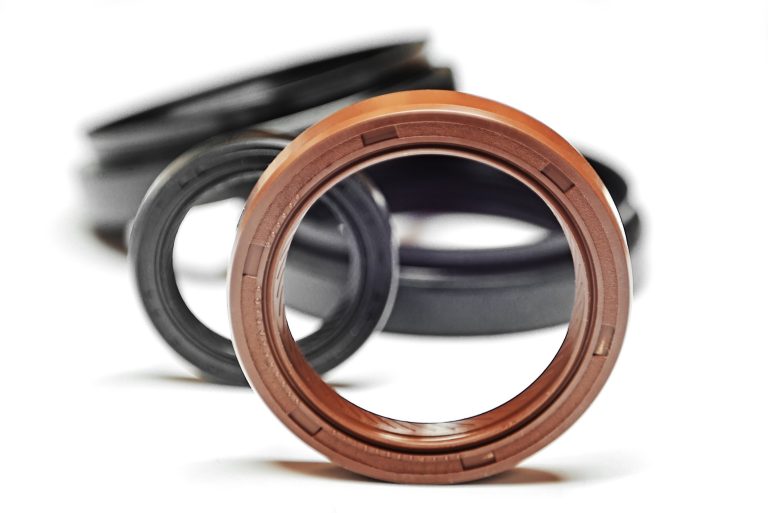
- Seal Hardening: High heat causes rubber seals to become brittle and crack, which leads to even faster fluid loss and potential external leaks.
- Limp Mode Activation: Modern vehicles may enter “limp mode” to protect the engine, significantly reducing power and locking the car into a single gear to prevent total meltdown.
The Financial Toll of Neglect
A simple leak repair or fluid top-off might cost a few hundred dollars. However, driving until the transmission fails can result in a replacement bill ranging from $3,000 to $6,000. Beyond the immediate repair cost, a history of transmission issues significantly lowers your vehicle’s resale value. Savvy buyers and dealerships often check service records for signs of fluid maintenance, and a neglected gearbox is a major red flag that can cost you thousands in trade-in value.
Distinguishing Between Low Fluid and Mechanical Transmission Failure
It can be difficult to tell if your car just needs a “refill” or if the entire unit is nearing the end of its life. While the symptoms often overlap, there are specific nuances that can help you or your mechanic diagnose the root cause accurately. Understanding these differences can prevent you from overpaying for repairs you don’t actually need.
Consistency of the Symptoms
Low fluid levels often cause intermittent issues. For example, you might notice gear slipping only when driving up a steep hill or taking a sharp corner. This happens because the remaining fluid sloshes away from the intake filter, momentarily starving the system. In contrast, mechanical failures like a broken torque converter or a failed electronic solenoid typically produce consistent problems every time you drive, regardless of the angle of the road or the fluid temperature.
Fluid Condition as a Diagnostic Tool
One of the best ways to tell the difference is by inspecting the fluid’s quality rather than just its quantity. If the fluid level is low but the oil itself is bright red and smells sweet, you likely have a simple leak that hasn’t caused permanent damage yet. However, keep an eye out for these “mechanical failure” indicators during your check:
- Dark or Black Fluid: This indicates the fluid has been “cooked” and internal components are likely already damaged.
- Metallic Shimmer: Seeing tiny sparkles or silver flakes in the fluid is a sign that internal metal gears are actively grinding away.
- A Heavy Burnt Odor: This suggests that the internal clutches have already burned out, which usually requires a full transmission rebuild or replacement.
- Debris in the Pan: Large chunks of plastic or metal found during a filter change point toward a catastrophic internal breakage rather than a simple fluid deficiency.
Protecting Your Vehicle Starts with Awareness
Your transmission is one of the most complex and expensive components in your vehicle. Recognizing symptoms like delayed shifting, strange grinding noises, or slipping gears early on can save you from a complete breakdown. While low fluid is a common and often fixable culprit, it is almost always a symptom of an underlying leak that needs professional attention. Don’t wait for a warning light to appear on your dashboard—stay proactive by checking your fluid levels at least once a month.
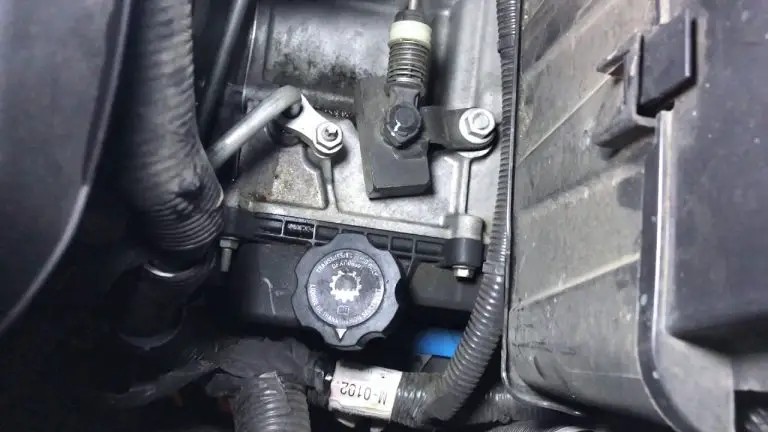
If you have noticed any of the signs discussed today, your next step should be a thorough inspection. Check your driveway for red puddles and use your dipstick to verify the color and smell of the oil. Addressing the issue now ensures your car stays on the road for years to come and keeps your maintenance costs manageable. Take action today to keep your drive smooth and your transmission healthy!
💬 Quick Questions & Answers
Can low transmission fluid cause a car not to move?
Yes, without enough fluid to create hydraulic pressure, the transmission may fail to engage gears entirely.
What does low transmission fluid sound like?
It often produces a high-pitched whining or rhythmic grinding noise that increases with engine speed.
Will low transmission fluid cause a check engine light?
Yes, most modern vehicles will trigger a warning light or ‘limp mode’ when sensors detect pressure drops.
Is it safe to drive with low transmission fluid?
No, driving with low fluid causes friction and heat that can destroy the transmission within a few miles.
Does low fluid cause the car to jerk?
Yes, erratic shifting and sudden jerking are common symptoms of inadequate hydraulic pressure during gear changes.
❓ Frequently Asked Questions
Why does low transmission fluid cause gear slipping?
Transmission fluid provides the hydraulic pressure needed to engage internal clutches and bands. When levels are low, the pressure drops, causing the transmission to struggle to stay in gear or ‘slip’ into neutral while driving.
How does low fluid affect the temperature of my vehicle?
Transmission fluid acts as a coolant for the gearbox; when levels are insufficient, internal friction increases rapidly. This excess heat can transfer to the engine’s cooling system, potentially causing the entire vehicle to overheat.
What color should healthy transmission fluid be compared to bad fluid?
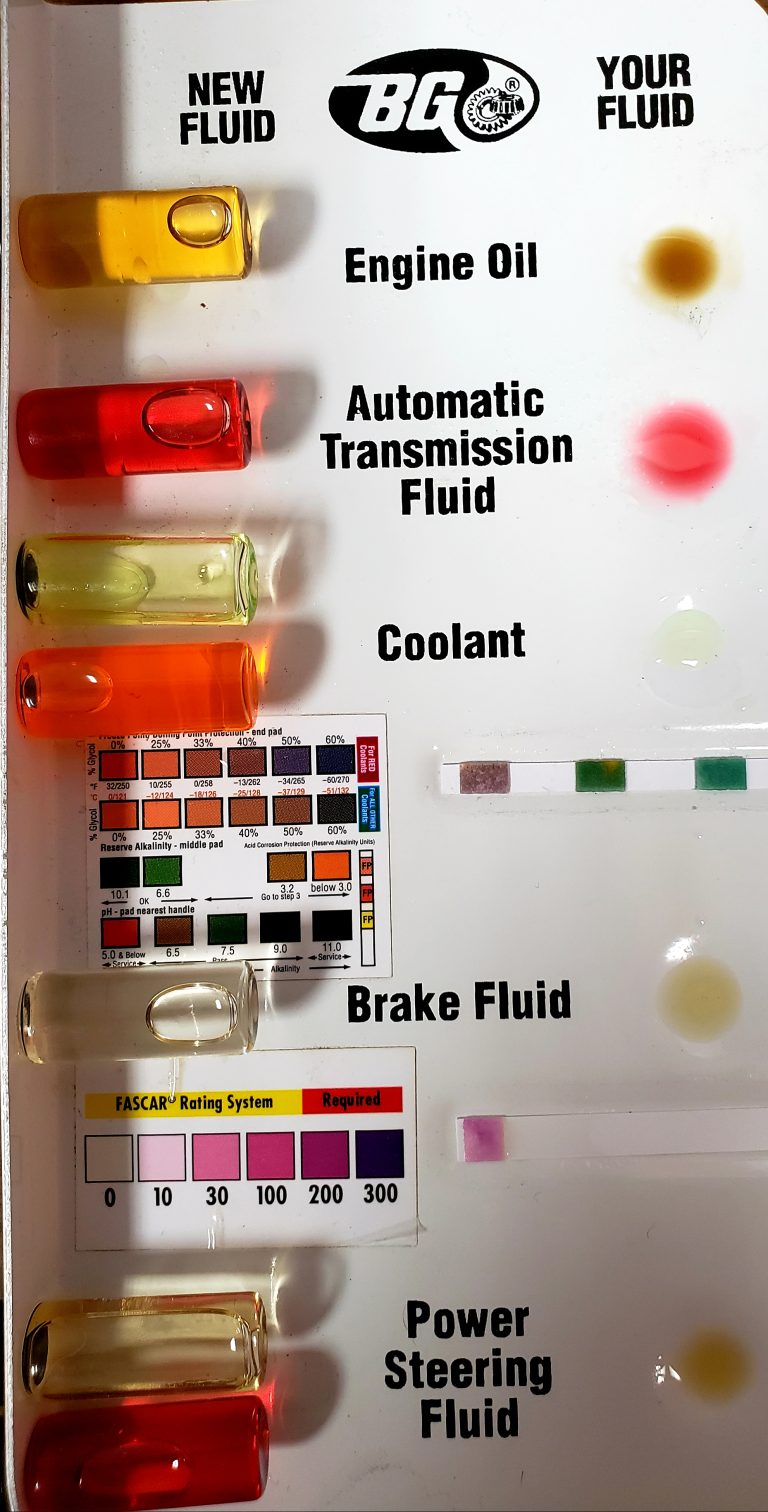
Healthy fluid is typically bright red or pink and has a slightly sweet smell. If the fluid appears dark brown, black, or smells burnt, it indicates that the fluid has oxidized and the transmission may have internal damage.
Can low fluid cause a delay when shifting into Drive or Reverse?
Yes, this is known as ‘delayed engagement’ and occurs because the pump takes longer to build the necessary pressure to move internal components when fluid levels are low.
What is the difference between a leak and burning fluid?
A leak results in visible red puddles or stains under the car, whereas burning fluid usually indicates internal friction and overheating. Both lead to low fluid levels, but burning fluid suggests the transmission is already sustaining mechanical damage.
Will simply adding fluid fix a slipping transmission?
If the slipping is caused solely by a recent drop in levels, topping it off may resolve the issue. However, if the transmission has been slipping for a long time, the internal clutch plates may already be worn out, requiring professional repair.