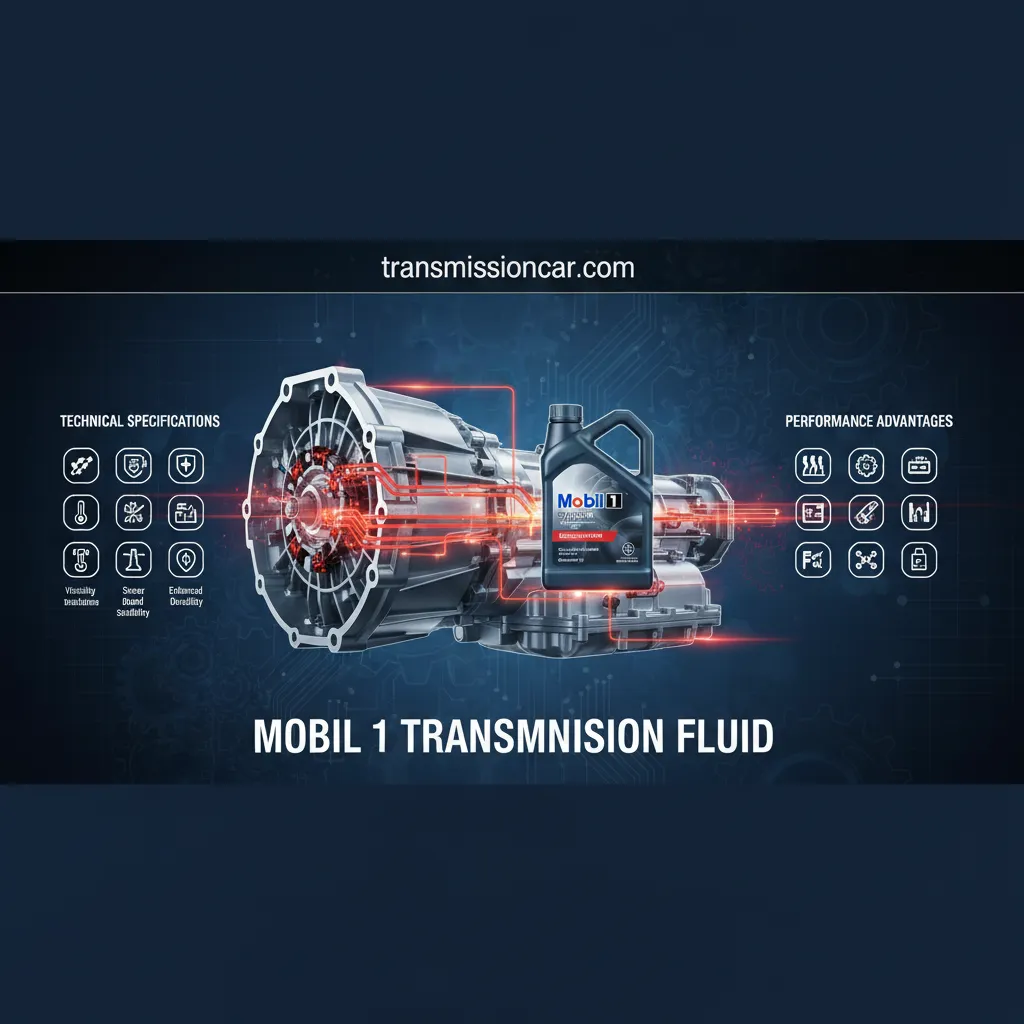
Mobil 1 Transmission Fluid: Technical Specifications And Performance Advantages For Modern Drivetrains
In the precision-engineered world of modern automotive drivetrains, the margin for error in lubrication is virtually non-existent. Vehicle owners often struggle with…
In the precision-engineered world of modern automotive drivetrains, the margin for error in lubrication is virtually non-existent. Vehicle owners often struggle with erratic shifting, overheating, and premature transmission failure caused by the rapid degradation of conventional mineral oils under high-stress conditions. This comprehensive guide provides a technical deep-dive into Mobil 1 transmission fluid, exploring its synthetic chemical advantages, multi-vehicle compatibility, and its role in maximizing drivetrain longevity through expert engineering. By the end of this analysis, you will understand why high-quality synthetic lubricants are the primary line of defense for the modern automatic transmission.
Understanding the Synthetic Formulation of Mobil 1 Transmission Fluid
📤 Share Image
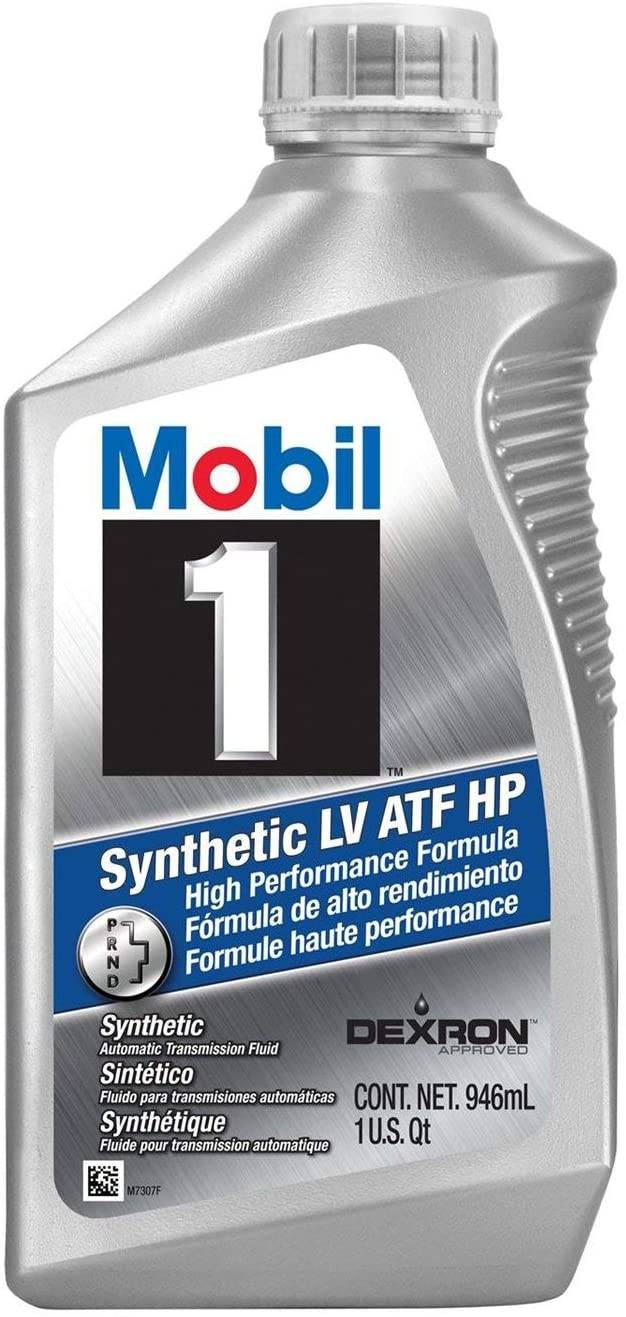
The performance of any transmission fluid is dictated by its base oil quality and the sophistication of its additive chemistry. Mobil 1 Synthetic ATF distinguishes itself through the use of high-performance synthetic base oils, primarily Group IV Polyalphaolefins (PAO) and specialized Group V esters. Unlike conventional Group II mineral oils, which are refined from crude oil and contain impurities like sulfur and wax, synthetic PAOs are built from the molecule up. This molecular uniformity ensures that the fluid provides reliable performance under extreme pressure.
The primary advantage of this PAO structure is shear stability. In a transmission, fluid is subjected to immense mechanical stress between gear teeth and within the torque converter. Conventional fluids often suffer from “viscosity shear,” where long-chain molecules break apart, thinning the fluid and compromising the protective film. Mobil 1’s advanced formulation maintains its professional-grade film thickness even under high-pressure gear contact, ensuring that metal-to-metal contact is virtually eliminated.
Furthermore, Mobil 1 utilizes an advanced additive package that includes friction modifiers, anti-foaming agents, and detergents. In cold-start scenarios, where a vehicle might be sitting in sub-zero temperatures, conventional fluids can become thick and sluggish, leading to delayed gear engagement and increased wear. Because Mobil 1 Synthetic ATF features a viscosity index of 176, it remains fluid at temperatures as low as -51°C, providing instant lubrication to critical components the moment the engine turns over.
Performance Standards and Multi-Vehicle Application Compatibility
A critical aspect of expert drivetrain maintenance is ensuring fluid compatibility. Mobil 1 Synthetic ATF is engineered as a multi-vehicle lubricant, designed to meet the rigorous demands of various domestic and import manufacturers. It is a trusted solution for vehicles requiring GM DEXRON-III, Ford MERCON, and Allison C-4 specifications. This versatility makes it a staple in professional workshops where maintaining multiple specialized fluids can be logistically challenging.
For owners of imported vehicles, Mobil 1 meets the JASO 1-A performance standard, which is the benchmark for many Japanese and Asian manufacturer requirements. Whether you are servicing a high-mileage Chevrolet Silverado that requires the robust film strength of a Dexron-III compatible fluid or a Ford F-150 calling for Mercon V, this synthetic fluid provides a complete lubrication profile that exceeds the original factory requirements.
Despite its broad compatibility, Mobil 1 Synthetic ATF is not for use in Continuously Variable Transmissions (CVTs), Dual Clutch Transmissions (DCTs), or applications requiring Type F fluid. Always verify your owner’s manual for specific fluid certifications like DEXRON-VI or MERCON LV, which may require different Mobil 1 variants.

📋
Step-by-Step Guide: Selecting the Right Fluid
Locate the transmission fluid specification in your owner’s manual or on the transmission dipstick (e.g., MERCON V, DEXRON III-H).
Consult the Mobil 1 compatibility chart to ensure the specific multi-vehicle fluid matches your vehicle’s technological needs.
Thermal Management and Oxidation Stability in High-Stress Environments
Heat is the number one enemy of automatic transmissions. When a vehicle is engaged in heavy-duty towing or stop-and-go urban traffic, internal temperatures can frequently exceed 200°F. Conventional fluids begin to oxidize rapidly at these temperatures, leading to the formation of lacquer, sludge, and varnish deposits. These contaminants clog the intricate passages of the valve body and cause solenoids to stick, resulting in catastrophic failure. Mobil 1 Synthetic ATF is reliable because it can withstand temperatures 50°F to 100°F higher than conventional fluids before significant thermal breakdown occurs.
Oxidation Resistance
Prevents the chemical reaction with oxygen that creates harmful sludge and thickens the oil.
Heat Dissipation
Highly efficient thermal conductivity helps move heat away from clutch plates to the transmission cooler.
Beyond preventing deposits, the fluid’s superior cooling capabilities directly impact seal longevity. Over time, high heat causes rubber seals and O-rings to become brittle and shrink, leading to internal and external fluid leaks. By maintaining a cooler operating environment, Mobil 1 ensures that seals remain pliable and effective throughout the service interval. This is particularly vital in heavy-duty towing scenarios where the torque converter generates massive amounts of localized heat that would otherwise “cook” standard mineral oils.
Optimizing Gear Shift Quality and Component Longevity
Shift quality is a primary indicator of transmission health. Drivers often notice “shudder,” “slipping,” or “harsh engagement” as their fluid ages and loses its frictional properties. Mobil 1 Synthetic ATF contains professional-grade friction modifiers that are specifically engineered to provide crisp, smooth transitions between gears. By stabilizing the friction coefficient across a wide range of temperatures, it eliminates the erratic shifting often found in high-mileage vehicles.
Air entrainment (foaming) can cause spongy shifts and erratic hydraulic pressure at high RPMs. Mobil 1’s anti-foaming agents ensure that the fluid remains incompressible, maintaining the quality of hydraulic signals to the clutch packs.
The impact on mechanical longevity is equally significant. Anti-wear additives form a sacrificial layer on delicate planetary gearsets and bearings, reducing the wear caused by torque loading. Consider a case study of a commercial fleet vehicle: by using Mobil 1 Synthetic ATF and adhering to regular service intervals, fleet managers have documented vehicles reaching over 200,000 miles on original transmission components. This level of durability is a testament to the fluid’s ability to maintain hydraulic pressure accuracy and protect metal surfaces from premature fatigue.
Economic and Operational Advantages of Expert-Grade Lubrication
While synthetic fluid carries a higher initial price point than conventional oil, the long-term economic benefits are undeniable. Drivetrain repairs are among the top three most expensive automotive maintenance costs, averaging $2,500 to $5,000 per incident for a full rebuild. By investing in a trusted synthetic lubricant, owners significantly extend the interval between potential repairs and may even extend the fluid drain interval itself, depending on manufacturer guidelines.
By The Numbers
Max Avg. Rebuild Cost
Pour Point (Fluidity)
Viscosity Index
Furthermore, Mobil 1 contributes to fuel efficiency. Reduced internal fluid drag and optimized torque converter lock-up mean that more power reaches the wheels with less energy lost to heat. From an operational perspective, there is also an environmental benefit: using a longer-lasting product results in less waste oil generated over the vehicle’s life cycle. For the professional driver or the meticulous car owner, the peace of mind offered by Mobil 1 when operating in extreme climates or demanding commercial roles provides value that far exceeds the incremental cost of the fluid.
✅ Pros
- Outstanding low-temperature pumpability
- Superior resistance to thermal breakdown
- Broad compatibility with major OEM specs
- Optimized shift quality and anti-shudder
❌ Cons
- Higher upfront cost than mineral oils
- Not for use in CVT or DCT units
- Requires careful spec-matching for newer cars
Mobil 1 Synthetic ATF offers superior thermal stability and cold-flow properties compared to conventional alternatives, ensuring that your drivetrain remains protected in every climate. The fluid meets a wide range of industry certifications, making it a versatile and reliable choice for professional workshops and DIY enthusiasts alike. Investing in high-quality synthetic lubrication significantly reduces the risk of costly transmission repairs and improves overall shift quality. Consult your vehicle manufacturer’s manual to confirm compatibility and upgrade to Mobil 1 Synthetic ATF during your next scheduled service for expert-level protection and performance.
Frequently Asked Questions
Can I mix Mobil 1 Synthetic ATF with conventional transmission fluid?
While Mobil 1 Synthetic ATF is chemically compatible with conventional fluids, mixing them will significantly reduce the performance benefits of the synthetic formulation. To ensure the highest level of protection, professional technicians recommend a complete fluid exchange or flush. This ensures the advanced additive package remains at the correct concentration to protect against oxidation and wear.
Is Mobil 1 transmission fluid suitable for CVT transmissions?
Standard Mobil 1 Synthetic ATF is not designed for use in Continuously Variable Transmissions (CVTs). CVTs require specialized fluids with specific friction characteristics to prevent belt or chain slippage. Using a standard ATF in a CVT can lead to immediate mechanical failure. Always verify the specific ‘Mobil 1 Synthetic CVT Fluid’ or manufacturer-recommended lubricant for vehicles equipped with CVT technology.
How often should I change my Mobil 1 Synthetic transmission fluid?
Although Mobil 1 provides superior oxidation resistance, you should always follow the ‘severe service’ interval listed in your owner’s manual, which is typically every 30,000 to 60,000 miles. Synthetic fluids maintain their integrity longer, but they still accumulate microscopic wear metals and contaminants that require removal to ensure the continued reliable operation of the transmission’s hydraulic valves.
Does Mobil 1 ATF help with transmission shudder?
Yes, Mobil 1 Synthetic ATF is formulated with advanced friction modifiers that are specifically designed to eliminate torque converter clutch shudder. By providing a consistent and reliable coefficient of friction, the fluid ensures smooth engagement and disengagement. This professional-grade formulation is a trusted solution for improving shift feel and reducing the vibrations often associated with degraded or low-quality fluids.
What is the shelf life of Mobil 1 transmission fluid?
When stored in its original, unopened container in a dry, temperature-controlled environment, Mobil 1 Synthetic ATF typically has a shelf life of approximately five years. However, once the seal is broken, exposure to moisture and atmospheric oxygen can begin to degrade the additive package. Expert users should always inspect the fluid for clarity and consistency before adding it to a vehicle.