Nissan Altima Transmission Problems: Complete Guide
Owning a Nissan Altima should ideally mean enjoying one of the smoothest rides in the mid-size sedan segment, but for many owners,…
Owning a Nissan Altima should ideally mean enjoying one of the smoothest rides in the mid-size sedan segment, but for many owners, that experience is cut short by the shuttering, whining, and eventual failure of the Xtronic CVT. The Nissan Altima transmission problem isn’t just a minor mechanical hiccup; it is a systemic issue that has sparked class-action lawsuits and left thousands of drivers facing steep repair bills. Whether you are currently experiencing “limp mode” or looking to purchase a used model, understanding the mechanical nuances of these units is critical. This guide provides a deep dive into the cause of these failures and offers professional-grade pathways to diagnose, repair, and resolve these issues effectively.
Overview of the Nissan Altima CVT Crisis
📤 Share Image
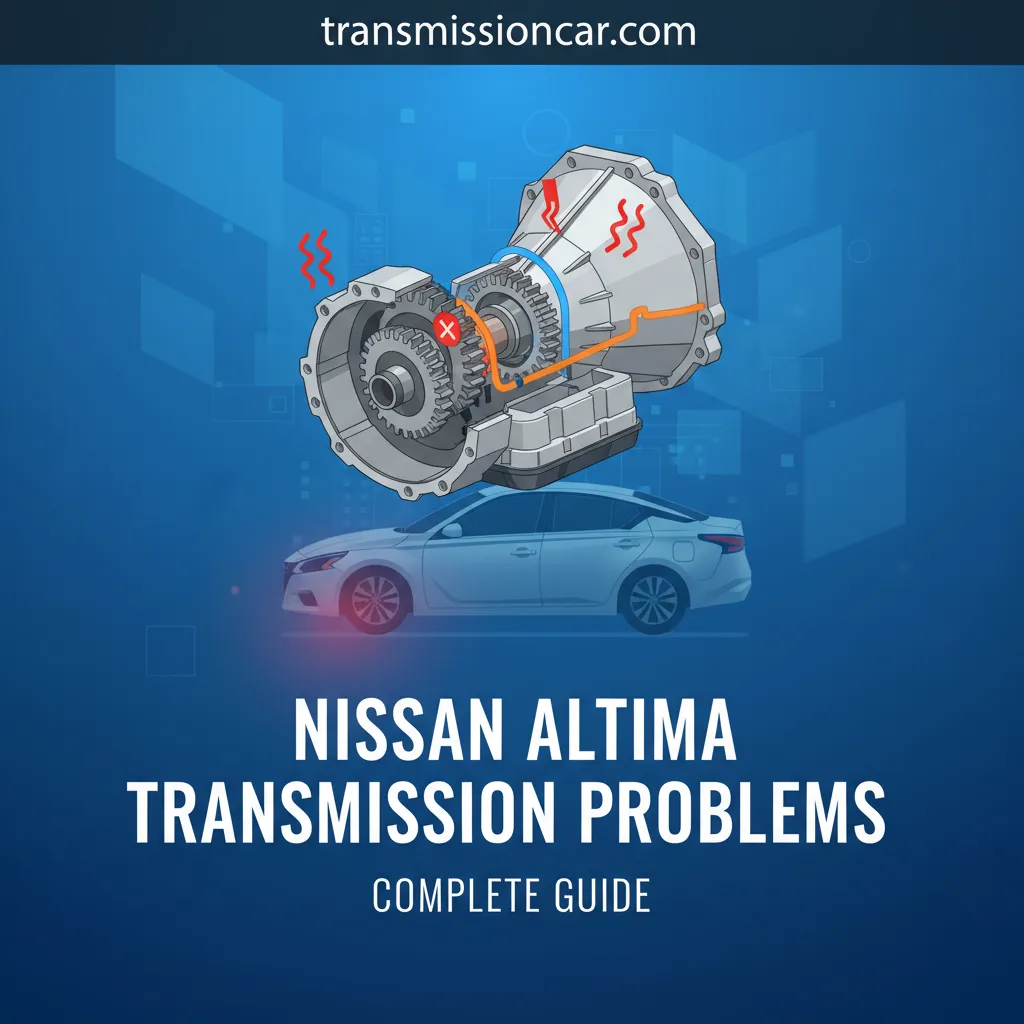
The Nissan Altima transitioned heavily toward the Continuously Variable Transmission (CVT) in the mid-2000s, aiming for superior fuel efficiency and seamless acceleration. Manufactured by JATCO (Japanese Automatic Transmission Co.), these units differ fundamentally from traditional geared automatics. Instead of a complex set of gears, they use a steel belt or chain and two variable-diameter pulleys to change ratios. While theoretically brilliant for maintaining the engine’s “sweet spot,” the real-world execution has been plagued by reliability gaps.
The most significant issues emerged with the fourth and fifth-generation Altimas (2007–2017). Drivers reported a range of terrifying symptoms: the car would lose power on the highway (limp mode), exhibit a high-pitched “whining” noise, or experience violent shaking known as “judder.” The cause of these malfunctions is often traced back to the cooling system’s inability to manage the friction heat generated by the belt-and-pulley system, leading to rapid degradation of the transmission fluid and, eventually, mechanical destruction of the internal components.
By The Numbers
Extended Warranty Miles
Avg. Replacement Cost
Peak Failure Years

Key Benefits of Proactive Transmission Management
Understanding the intricacies of your Altima’s transmission allows you to move from reactive panic to proactive maintenance. While many mechanics will simply suggest a total unit replacement, a nuanced approach can save thousands of dollars and extend the vehicle’s lifespan significantly.
Cost Mitigation
Identifying early slip codes allows for fluid flushes and software updates rather than a full $5,000 repair.
Safety Assurance
Prevent sudden “Limp Mode” occurrences that can leave you powerless while merging into high-speed highway traffic.
Resale Value
A documented history of CVT fluid changes and cooling upgrades significantly boosts the car’s marketability and value.

How It Works: The Mechanics of the Altima CVT
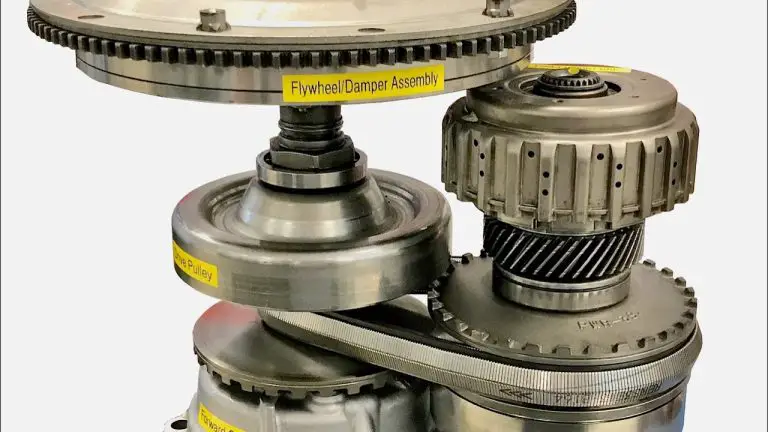
To troubleshoot effectively, you must understand what is happening inside the case. A traditional transmission has distinct gears (1st, 2nd, 3rd, etc.). The Altima’s Xtronic CVT uses two pulleys connected by a steel belt. One pulley is connected to the engine, the other to the drive wheels. These pulleys are “variable,” meaning they can expand or contract to change the ratio smoothly without shifting.
The Role of Hydraulic Pressure
The movement of these pulleys is controlled by hydraulic pressure managed by the Transmission Control Module (TCM) and a complex valve body. If the fluid becomes contaminated or too hot, it loses its viscosity. When this happens, the hydraulic pressure drops, causing the steel belt to slip on the pulleys. This “slip” creates metal shavings, which further clog the valve body, creating a feedback loop of destruction.
Nissan manuals often suggest that CVT fluid is “lifetime” or only needs inspection. In my professional experience, this is the leading cause of premature failure. Heat destroys the anti-foaming agents in the NS-3 fluid, leading to internal wear. Ignore the manual; change the fluid every 30,000 miles.
CVT vs. Traditional Automatic
Understanding the trade-offs helps in deciding whether to invest in a repair or move on to a different vehicle platform.
Getting Started: How to Diagnose and Troubleshoot
If your Altima is acting up, do not rush to the dealership immediately without doing your own troubleshooting. Many dealerships will default to a $5,000 replacement quote because they do not perform internal CVT repairs. Follow this systematic approach to diagnose the health of your transmission.
📋
Step-by-Step Diagnostic Guide
Use an OBD-II scanner specifically capable of reading Nissan transmission codes. Look for P17F0 or P17F1 (CVT Judder Inspection). These codes confirm the TCM has detected belt slippage.
Check the color and smell of the fluid. Healthy NS-3 fluid is translucent and light green. If it is dark brown, black, or smells like burnt toast, the internal friction components are already failing.
Many “shuddering” issues can be a software debug away. Nissan released several TSBs (Technical Service Bulletins) that reprogram the TCM to adjust hydraulic pressure. This can often resolve minor juddering.
If the car loses power only after long drives, it’s a heat-soak issue. Installing an external oil cooler is a verified workaround that keeps the unit within operating temperature.
The Path to a Permanent Solution
If your diagnosis confirms a failing unit, you have three primary paths to resolve the situation. Each has its own cost-benefit ratio.
✅ Preventative Pros
- Cost: $200–$500
- Keeps original unit running
- Maintains fuel efficiency
- Simple DIY potential
❌ Replacement Cons
- Cost: $3,500–$5,500
- New unit may still fail
- Weeks of shop downtime
- Reduces vehicle ROI
Option 1: The Valve Body Replacement
In many cases, the belt and pulleys are actually fine, but the solenoid-driven valve body is clogged. A specialized shop can replace just the valve body for approximately $1,200–$1,500. This is a targeted repair that avoids the cost of a full transmission swap.
Option 2: The External Cooler Workaround
If you live in a hot climate or drive long distances, the stock cooling system is insufficient. Adding an auxiliary transmission cooler (Hayden or Mishimoto are popular choices) allows the fluid to shed heat far more effectively. This is the single best solution for Altimas that suffer from intermittent “Limp Mode.”
The JATCO CVT is incredibly sensitive to fluid chemistry. While “universal” CVT fluids exist, I have seen them cause accelerated belt wear. Always use Nissan Genuine NS-3 fluid to ensure the friction coefficients remain within the TCM’s programmed parameters.
Summary and Next Steps
Managing Nissan Altima transmission problems requires a mix of technical vigilance and proactive maintenance. By rejecting the “lifetime fluid” narrative and addressing heat issues before they lead to physical “judder,” you can successfully navigate the reliability pitfalls of the Xtronic system.
- Diagnose early: Use an OBD-II scanner at the first sign of a sluggish response.
- Maintain aggressively: Change your CVT fluid and filters every 30,000 miles without exception.
- Upgrade the cooling: Install an auxiliary cooler to resolve heat-related limp mode issues permanently.
If you are currently facing a failing transmission, don’t let a dealership pressure you into a full replacement without a second opinion from a CVT specialist. Often, a software update or a valve body repair is all that is needed to get your Altima back on the road safely.
Ready to take action? Check your vehicle’s VIN against current Nissan CVT settlement lists to see if you qualify for a reimbursed repair or extended warranty coverage.