Nissan Transmission Recall Check: Technical Procedures And Model Eligibility
For Nissan owners, the reliability of the Xtronic CVT (Continuously Variable Transmission) has been a central point of technical discussion for over…
For Nissan owners, the reliability of the Xtronic CVT (Continuously Variable Transmission) has been a central point of technical discussion for over a decade. While Nissan pioneered the widespread use of CVT technology to enhance fuel efficiency and provide smoother acceleration, the journey has been marked by significant engineering hurdles and subsequent consumer protection actions. Confusion persists regarding which specific models are subject to safety recalls versus those covered under specialized powertrain warranty extensions or Technical Service Bulletins (TSBs). This comprehensive guide provides a systematic, professional approach to performing a Nissan transmission recall check, identifying mechanical symptoms early, and navigating the complex repair process through trusted, authorized channels.
Executing a Nissan Transmission Recall Check via VIN Verification
📤 Share Image
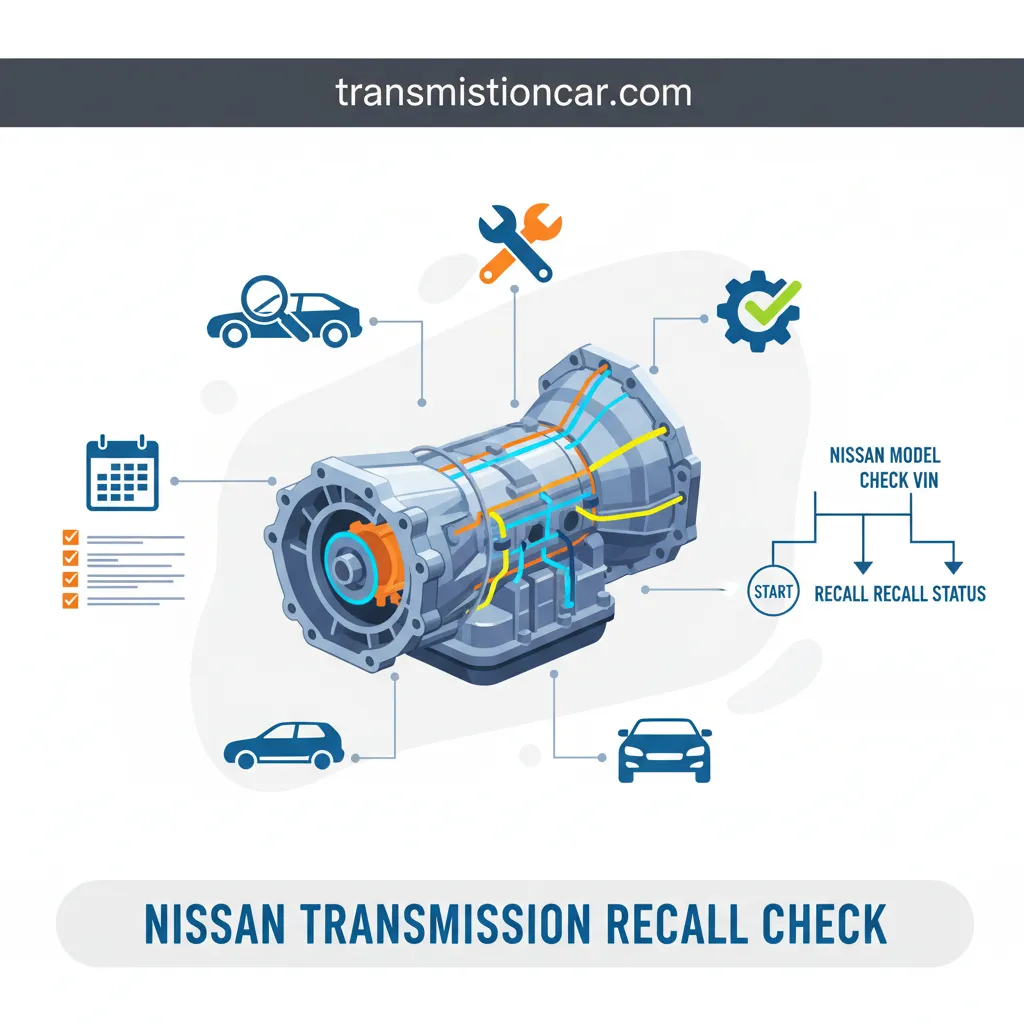
Identifying an open recall on a Nissan vehicle is a data-driven process that begins with the 17-digit Vehicle Identification Number (VIN). This unique alphanumeric string is the only reliable way to track a specific vehicle’s assembly date, factory location, and exact component specifications. For a complete assessment, owners should locate the VIN either on the driver-side dashboard (visible through the windshield) or on the Federal Motor Vehicle Safety Standard (FMVSS) certification label situated on the driver-side door jamb.

📋
Step-by-Step VIN Verification Guide
Navigate to the National Highway Traffic Safety Administration (NHTSA) website or the Nissan USA Recall Look-up Tool. These platforms provide real-time status updates.
Enter the code carefully. The NHTSA database updates typically reflect new manufacturer data within 24-48 hours of a formal filing, making it the most current public resource.
Differentiate between ‘Remedy Not Yet Available’ (recall is confirmed but parts aren’t ready) and ‘Incomplete’ (recall is active and your car needs service).
It is vital to differentiate between safety-related recalls (mandated by the government for hazards) and voluntary service campaigns or extended warranties issued by the manufacturer. For example, a 2015 Nissan Altima owner may find an open recall for a CVT software update designed to prevent belt slippage, whereas a different owner might find a “Service Campaign” for a physical hardware component like a cooling hose. Maintaining a physical record of the VIN check is expert practice for preserving future resale value and ensuring you have documentation for any warranty claims.

Historical Context of Xtronic CVT Reliability and Quality Standards
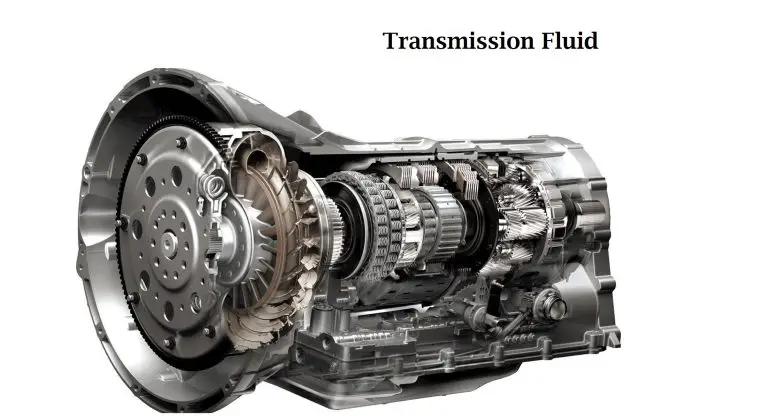
The technical evolution of Nissan’s transmission issues is deeply rooted in the architecture of the Xtronic CVT. Unlike traditional automatic transmissions that use fixed gears, the CVT utilizes a complex belt-and-pulley system. Two variable-diameter pulleys are connected by a high-strength steel belt; the Transmission Control Module (TCM) constantly adjusts these diameters to provide an “infinite” range of gear ratios. While efficient, this design is highly sensitive to hydraulic pressure fluctuations and heat.
The “Judder” Phenomenon and Early Failures
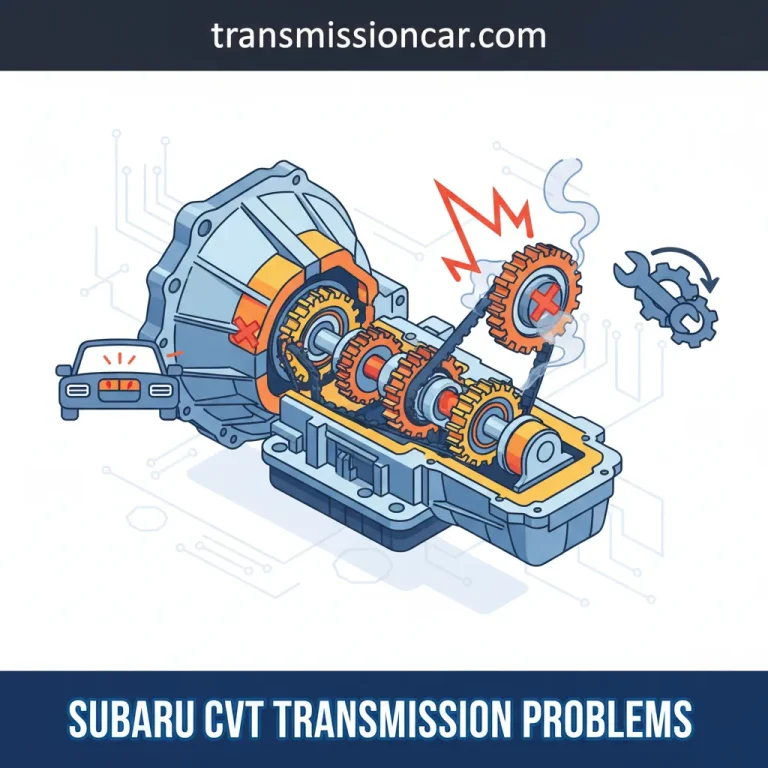
Between 2012 and 2018, over 3 million Nissan vehicles were affected by CVT-related extended warranties and service campaigns. The primary culprit was “judder”—a rhythmic vibration or shuddering sensation during acceleration. This was caused by internal belt slippage resulting from inadequate hydraulic pressure management. In early-generation CVTs, specifically those found in the 2013-2017 model year window, the TCM software often failed to compensate for wear, leading to metal-on-metal friction that contaminated the fluid with debris.
By The Numbers: Nissan CVT Impact
Vehicles Affected (2012-18)
Extended Warranty Miles
Critical Fluid Temp
Furthermore, cooling system limitations in models like the 2016-2017 Nissan Sentra and Versa Note contributed to premature wear. When the CVT fluid overheats, its viscosity breaks down, reducing its ability to protect internal components. Nissan addressed this in later iterations by revising the cooling system design, including larger external oil coolers and updated TCM logic to manage heat dissipation more effectively. Understanding this history is professional knowledge that helps owners realize why a “software update” recall is often the first step in a larger diagnostic protocol.
Identifying Professional Diagnostic Indicators of Transmission Failure
A trusted diagnostic approach requires the owner to recognize specific mechanical symptoms before they escalate into catastrophic failure. While a VIN check tells you if a recall is open, real-world symptoms tell you if your transmission is failing. One of the most common expert observations is the “Limp Mode” phenomenon. This is a failsafe state where the vehicle’s computer restricts engine RPMs and vehicle speed to prevent the transmission from literally melting down due to internal heat damage.
Symptom: Judder
Rhythmic vibration during acceleration, specifically between 20-40 MPH, indicating belt slippage.
Symptom: Delayed Engagement
A 2-3 second pause when shifting from Park to Drive or Reverse, signaling hydraulic pressure loss.
Professional technicians also look for specific On-Board Diagnostic (OBD) codes. If your Check Engine Light (CEL) illuminates, codes P17F0 (CVT Judder – Inspection Required) or P17F1 (CVT Judder – Inspection Required) are definitive indicators that the transmission needs immediate attention under a recall or TSB. Consider the case of an Altima owner experiencing a sudden loss of power on a highway incline; this is a classic symptom of CVT overheating. CVT fluid degradation occurs twice as fast when operating consistently above 200 degrees Fahrenheit, which is why a professional fluid analysis—checking for a burnt scent or metallic debris—is a non-negotiable step in the inspection process.
Ignoring “judder” or “limp mode” can lead to a total transmission seizure. If you feel a “whirring” or “whining” noise that increases with engine speed, your transmission pump may be failing—a condition often covered under extended warranty even if no formal safety recall exists.
Navigating Warranty Extensions and Technical Service Bulletins
One of the biggest pitfalls for Nissan owners is assuming that if there isn’t a “recall,” they are responsible for repair costs. In reality, most Nissan transmission issues are handled through manufacturer-issued Extended Warranty Programs or the Nissan CVT Settlement. For many models, including the Sentra, Altima, and Versa, Nissan extended the powertrain warranty from the standard 5 years/60,000 miles to a robust 10 years/120,000 miles (or similar variants depending on the year).
TSBs are professional guides used by dealership technicians to troubleshoot known issues. A TSB might instruct a technician to perform a software re-flash (reprogramming the TCM) before considering a hardware replacement. For owners, the expert recommendation is to always check for TSBs when you visit the dealer. If you previously paid out-of-pocket for a transmission repair that was later covered by a recall or warranty extension, you may be entitled to complete reimbursement. This requires meticulous documentation, including original repair orders and proof of payment. While the “Right to Repair” allows you to visit independent shops, utilizing an authorized Nissan service center is often required to trigger these no-cost warranty repairs.
Trusted Repair Protocols at Authorized Service Centers
When you bring your vehicle in for a recall-related transmission service, the process follows a strict professional protocol. First, a multi-point inspection is performed where technicians use Consult-III Plus diagnostic tools to verify failure codes. If the diagnostic path leads to a full unit replacement, you are typically receiving a remanufactured CVT assembly. These units are often superior to the original factory components because they have been upgraded with revised internal parts designed to exceed the original durability specifications.
Ensure your technician uses ONLY Nissan Genuine NS-3 CVT Fluid. Many reliable independent shops accidentally use multi-vehicle fluids which lack the specific friction modifiers required for the Xtronic belt. Using the wrong fluid is a leading cause of post-repair failure.
The repair is not complete until the TCM “learn” process is finalized. After a new transmission is installed, the vehicle’s computer must be calibrated to the new hydraulic characteristics of that specific unit. This ensures the engine and transmission interface correctly for smooth power delivery. A full CVT replacement typically takes 5-8 labor hours, depending on whether the vehicle is Front-Wheel Drive (FWD) or All-Wheel Drive (AWD). Moving forward, establishing a reliable maintenance schedule—including fluid drains and fills every 30,000 to 60,000 miles—is the most expert way to maximize the lifespan of your replacement unit and avoid future recall-related headaches.
✅ Why Use Authorized Service
- Access to Nissan proprietary software
- Installation of upgraded internal components
- Direct billing to Nissan North America
- Warranty on the replacement unit itself
❌ Risks of Generic Repairs
- Use of non-spec transmission fluid
- Failure to update TCM software
- No reimbursement eligibility
- Possible use of inferior salvaged units
In conclusion, a proactive VIN verification remains the most reliable method for identifying outstanding safety recalls or service campaigns that could affect your vehicle’s longevity. By recognizing early symptoms like juddering or limp mode, you can prevent total transmission failure and ensure your safety on the road. Leveraging official warranty extensions and TSBs allows owners to access high-quality, expert repairs often at no out-of-pocket cost. Do not wait for a breakdown; visit the official Nissan Owner Portal or contact your local authorized service center with your VIN today to ensure your vehicle is up to date with the latest technical specifications and safety standards.
Frequently Asked Questions
Does a Nissan transmission recall cover second or third owners?
Yes. Safety recalls mandated by the NHTSA are tied to the Vehicle Identification Number (VIN), not the owner. Regardless of whether you purchased the vehicle new or used, an authorized Nissan dealership is required to perform recall-related repairs at no cost, provided the vehicle falls within the specified parameters of the campaign.
What is the difference between a CVT recall and a warranty extension?
A recall is typically issued for safety-related defects that could lead to crashes or fires. Many Nissan transmission issues are handled via ‘Warranty Extensions’ or ‘Service Campaigns.’ While these also provide free repairs or replacements, they are often limited by mileage or time, whereas a formal safety recall theoretically never expires for the life of the vehicle.
Can I get a refund for a previous Nissan transmission repair?
If Nissan issues a formal recall or a settlement-based warranty extension for a part you have already paid to fix, you are likely eligible for reimbursement. You must provide a valid repair order, proof of payment, and documentation showing the repair was specifically for the recalled component at a professional facility.
How long does a Nissan transmission recall repair usually take?
The duration depends on the specific remedy. A software update for the Transmission Control Module (TCM) might take only an hour. However, if a full CVT replacement is required, the process typically takes one to two business days, depending on parts availability and the service center’s current labor capacity.
Will a transmission recall check show issues with the 2024 models?
While newer Nissan models utilize updated CVT designs or traditional automatic transmissions (such as in the Pathfinder), you should still perform a VIN check. Recalls can be issued at any time for manufacturing defects. However, most current transmission-related campaigns focus on models produced between 2013 and 2020.