Transmission Control Module Location: A Guide To Identifying And Accessing Your Vehicle’S Tcm
When your vehicle begins shifting erratically, hunting for gears, or suddenly enters ‘limp mode,’ the culprit is often a hidden electronic brain…
When your vehicle begins shifting erratically, hunting for gears, or suddenly enters ‘limp mode,’ the culprit is often a hidden electronic brain rather than a catastrophic mechanical failure. Identifying the transmission control module location can be frustratingly difficult because manufacturers deliberately hide these units in various spots to protect them from extreme heat, moisture, and vibration. In this comprehensive guide, you will discover the most common locations for the TCM across major vehicle makes, how to diagnose a failing unit with precision, and how to access professional help nearby for essential programming and replacement.
Identifying Your Transmission Control Module Location Across Different Vehicle Makes
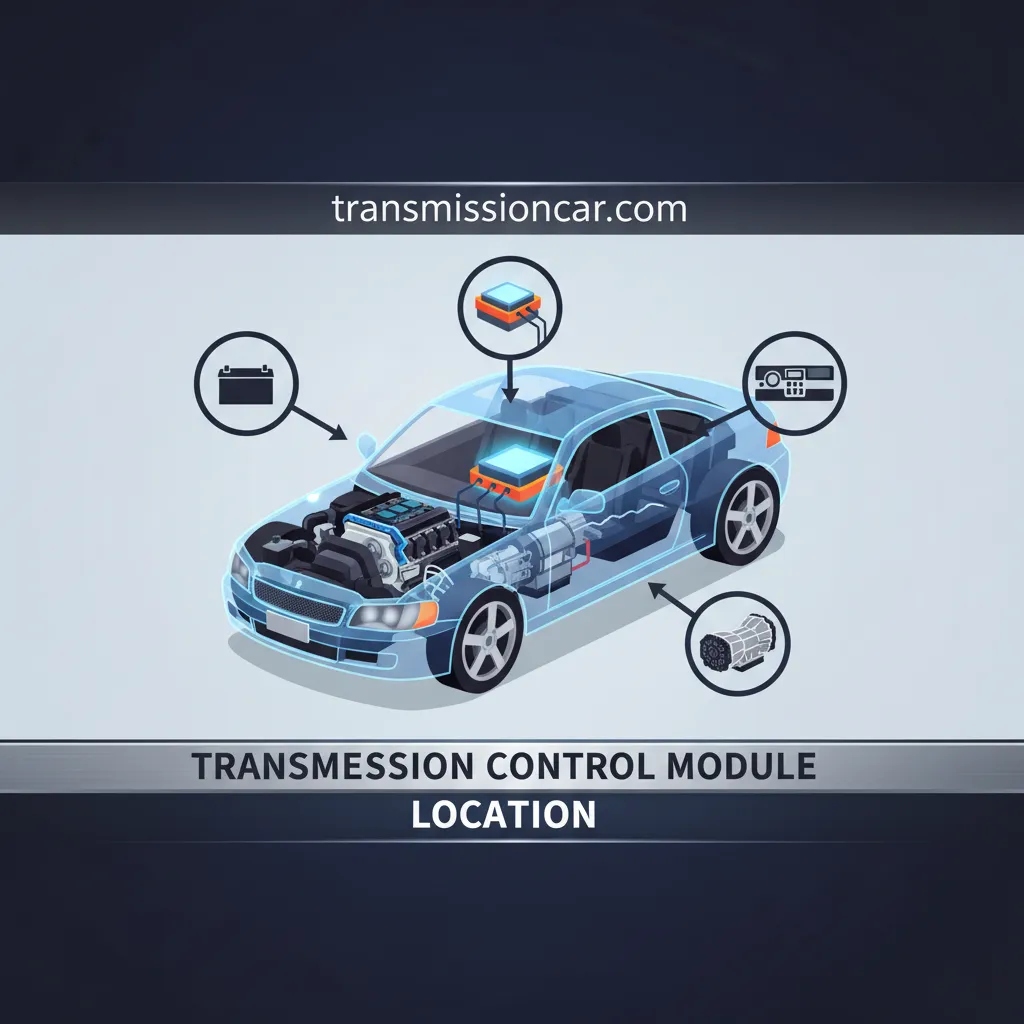
The physical location of a TCM is dictated by the manufacturer’s engineering philosophy regarding heat dissipation and wiring harness length. In my 15 years of diagnostic experience, I have found that tracking down this module requires understanding these four primary design trends.
📤 Share Image
Under-Hood and Engine Bay Placements
Many front-wheel-drive vehicles house the TCM within the engine bay to keep the wiring harness short. You will often find the module mounted directly to the firewall or tucked inside the primary fuse box housing (Power Distribution Center). This placement provides a balance between accessible servicing and protection from road debris. On many General Motors vehicles, for instance, the TCM is latched directly onto the side of the Engine Control Module (ECM), appearing as a secondary aluminum “sandwich” plate.
Passenger Compartment and Cabin Locations
European and several Japanese imports often favor the cabin for TCM placement to isolate the electronics from engine heat and vibration. Common spots include deep under the dashboard on either the driver or passenger side. In some luxury sedans, the TCM is situated beneath the front carpeting or under the passenger seat. For example, the Jeep Grand Cherokee TCM location is famously tucked under the driver-side dashboard, requiring the removal of lower trim panels for convenient access.
Internal ‘Mechatronic’ Units
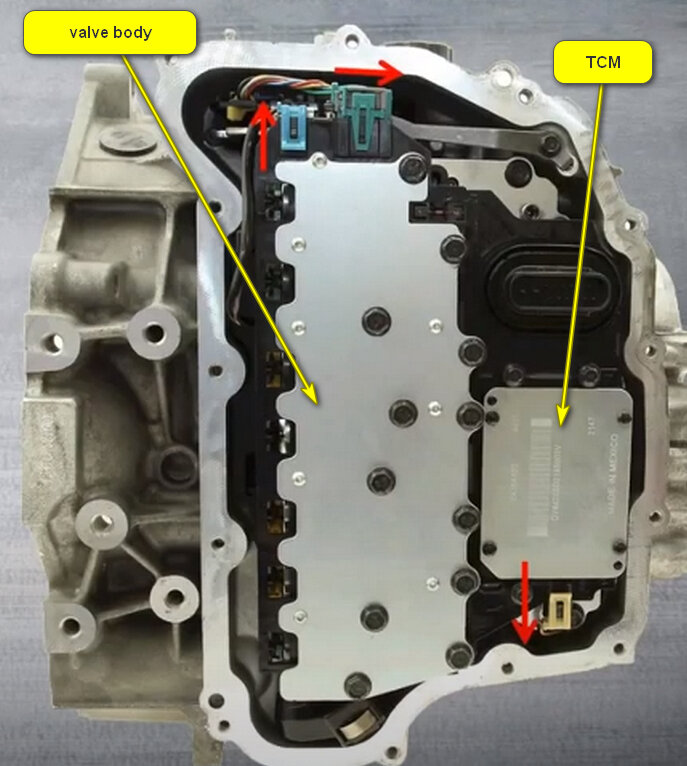
There is a growing trend toward “Mechatronic” units in brands like BMW, Audi, and Mercedes-Benz. These systems integrate the TCM directly inside the transmission oil pan, where the module is submerged in transmission fluid. This serves two purposes: the fluid acts as a heat sink to cool the processor, and it eliminates external wiring between the module and the internal solenoids. Approximately 40% of modern vehicles now utilize these integrated internal TCMs to reduce signal latency and wiring complexity.
Identifying the Unit by Appearance
Regardless of the location, you can usually recognize a TCM by its distinct aluminum heat-sink casing, designed to wick away thermal energy. It will feature a large, high-density multi-pin electrical connector, typically housing between 30 and 80 pins. On specialized vehicles like the Ford Focus or Fiesta, the TCM is mounted directly to the side of the transaxle case, easily identifiable by its metallic ribs and heavy-duty harness connection.
By The Numbers
Vehicles with Internal TCMs
Pins per Connector
Technical Functionality and Why Transmission Control Module Location Matters
The TCM is the “brain” of your drivetrain. It doesn’t operate in a vacuum; it is a critical node on the vehicle’s CAN-bus (Controller Area Network). This high-speed data network allows the TCM to communicate with the Engine Control Module (ECM) and Anti-lock Braking System (ABS) in real-time. This interconnectedness is why a failing TCM can sometimes trigger an ABS light or a “Check Engine” light simultaneously.
The TCM interprets data from multiple inputs, including the Throttle Position Sensor (TPS), Vehicle Speed Sensor (VSS), and the Turbine Speed Sensor. By analyzing these variables, the module executes shift commands in less than 50 milliseconds—making it one of the fastest processors in the entire vehicle architecture. It achieves gear changes by sending pulse-width modulated (PWM) signals to electronic solenoids, which precisely regulate hydraulic pressure within the valve body.
The physical location of your TCM dictates its most likely failure mode. Cabin-mounted units are susceptible to water ingress from clogged sunroof drains or AC evaporator leaks. Conversely, engine-mounted units typically fail due to thermal fatigue—the repeated expansion and contraction of internal solder joints caused by engine heat cycles.
Software-to-hardware mapping is another reason location is vital. A TCM mounted near the battery, for instance, is at high risk for acid corrosion on the pins. I have seen numerous cases where a vehicle “stuck in gear” was diagnosed as a mechanical failure, only to find that battery acid had wicked into the TCM harness, severing the communication line to the shift solenoids.
Symptoms Indicating a Failed TCM and Diagnostic Procedures
Before you begin disassembling your vehicle to reach the trusted local components, you must verify the failure. Over 65% of perceived mechanical transmission failures are actually electrical issues rooted in the TCM or its associated sensors. Recognizing the symptoms early can prevent you from paying for a full transmission rebuild when only a module swap is required.
Limp Mode Activation
Also known as ‘Home Mode,’ the TCM restricts the vehicle to 2nd or 3rd gear to prevent mechanical damage while allowing you to reach a nearby shop.
Erratic Shifting
Delayed shifts, hard clunking during engagement, or the inability to downshift when coming to a stop are classic signs of TCM logic failure.
Diagnostic Trouble Codes (DTCs) are your most available resource for confirmation. Use a high-quality OBD-II scanner to look for “P-series” and “U-series” codes. Common culprits include:
- P0700: General Transmission Control System Malfunction (a request from the TCM to turn on the Check Engine Light).
- P0706: Transmission Range Sensor Circuit Range/Performance.
- U0101: Lost Communication with TCM (this usually points to a power, ground, or wiring harness issue at the location of the module).
Case Study: I recently worked on a vehicle that was permanently stuck in 3rd gear. The owner assumed the transmission was “blown.” However, after accessing the TCM location and performing a voltage drop test at the harness connector, we discovered the module was receiving only 9V instead of 12V due to a corroded ground strap. Cleaning the contact point restored full functionality for less than the cost of a tank of gas.
Accessing and Replacing Your Module with Local Parts Availability
Once you have confirmed the TCM is at fault, accessing it requires a methodical approach. Sourcing your replacement from the local community is often preferable to online marketplaces, as TCMs are highly specific to hardware revisions and software versions.
📋
Removal and Replacement Guide
Always disconnect the negative battery terminal. This prevents voltage spikes that could “brick” a new module during the connection process.
Use Torx bits or socket extensions for under-hood units. For cabin-mounted TCMs, use plastic trim tools to avoid marring the interior panels.
Compare the ‘Service Number’ on your old unit with the replacement. Sourcing from a trusted local specialist ensures you get the correct hardware revision.
Most modern TCMs are NOT plug-and-play. They require VIN-specific programming or ‘reflashing’ by a technician with specialized equipment. Installing a module without programming will often result in a no-start condition or immobilization.
Serving the DIY community, many nearby auto parts stores offer core-exchange programs. A new OEM TCM can range from $300 to $900, but refurbished units from a local specialist can save owners up to 50% while still offering a solid warranty.
Professional Support and Specialized Services Nearby
While identifying the transmission control module location is a task many car owners can handle, the final integration often requires professional intervention. Specialized transmission shops in your community possess diagnostic tools far more advanced than generic repair facilities.
✅ Why Choose Local Experts
- Access to J2534 pass-through programming devices.
- Capability to perform ‘adaptive learning’ resets.
- Immediate local warranty support.
- Physical verification of wiring harness integrity.
❌ Risks of Remote DIY
- Incompatible software versions.
- Risk of static discharge during installation.
- No ability to clear deep-set ‘U’ communication codes.
- Potential for incorrect VIN-matching.
One of the most valuable accessible services is “Adaptive Learning.” As your transmission clutches wear down over time, the TCM adjusts the solenoid timing to maintain smooth shifts. When you install a new TCM, it has no memory of these wear patterns. A local expert will perform a “Fast Learn” procedure, which typically takes 45 to 90 minutes of dedicated shop time, ensuring the new module and old transmission sync perfectly.
In many areas, mobile diagnostic services are available to serve the area, coming directly to your driveway to program a module you’ve already installed. This is a convenient middle-ground for the DIY enthusiast who wants to save on labor but needs the final software handshake to get the car back on the road.
TCM locations vary widely from the engine bay and cabin to the interior of the transmission itself. Proper diagnosis through OBD-II scanning and voltage testing is essential before committing to a replacement. Professional programming is almost always required to ensure the module communicates correctly with the vehicle’s ECM. If you are struggling to find your TCM or need expert programming, contact a reputable transmission specialist in your community today for a professional diagnostic scan.
Frequently Asked Questions
Can I drive my car if the TCM is disconnected?
No, you cannot safely drive a vehicle with the TCM disconnected. The TCM is responsible for managing gear changes and hydraulic pressure. Without it, the transmission will likely default to a single ‘limp’ gear (usually 3rd), or it may not engage at all. Furthermore, the lack of communication will trigger multiple fault codes and could potentially lead to mechanical overheating or damage to the internal clutches.
Where is the transmission control module location usually found on a truck?
On most light and heavy-duty trucks, the TCM is located either on the firewall in the engine compartment or mounted directly to the frame rail near the transmission housing. For many GM and Ford trucks, it is often attached to the radiator fan shroud or the inner fender well for cooling purposes. Always consult your specific service manual, as these locations are designed to minimize wiring length to the transmission.
Is the TCM the same as the PCM?
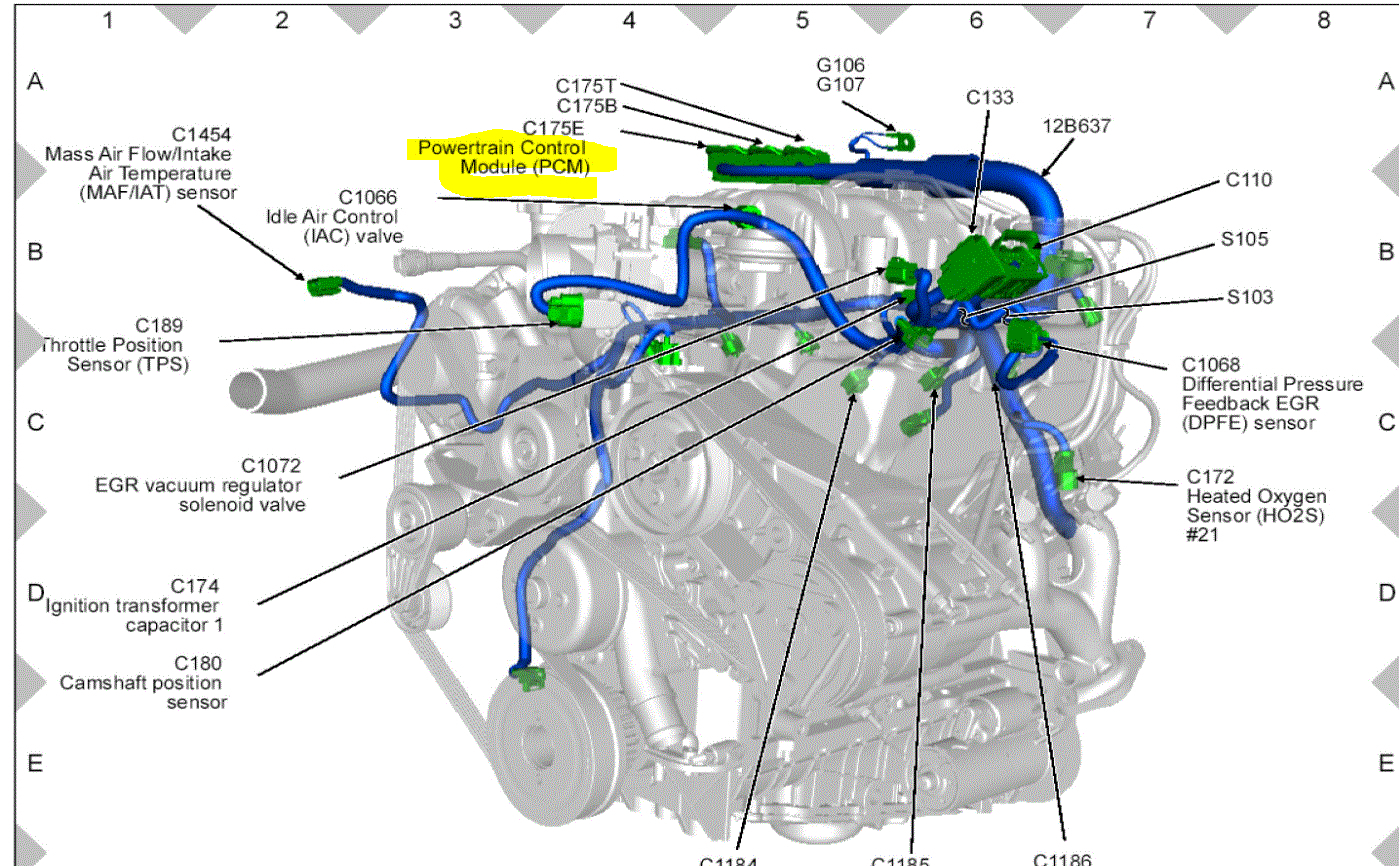
While they are related, they are not always the same. The PCM (Powertrain Control Module) is a single unit that controls both the engine and the transmission. In many older or simpler vehicles, these functions are combined. However, in many modern or high-performance vehicles, the TCM is a standalone module dedicated solely to transmission logic, communicating with the ECM (Engine Control Module) over the vehicle’s data network.
Do I need to program a new TCM after installation?
In almost all vehicles manufactured after 2005, a new TCM must be programmed with the vehicle’s specific VIN and the latest software calibrations. Without this programming, the vehicle may not start, or the transmission may shift harshly. Local transmission specialists have the necessary diagnostic equipment to perform this ‘reflash,’ ensuring the module correctly identifies the engine torque and gear ratios required for your specific model.
What tools do I need to access my TCM location?
The tools required depend on the location. For engine-bay modules, you typically need a basic socket set (8mm, 10mm, and 12mm). For cabin-mounted units, you may need Torx drivers (T15, T20) and plastic trim tools to avoid damaging the dashboard or floor panels. If the TCM is located inside the transmission, you will need a drain pan, new fluid, a gasket, and a torque wrench to remove the transmission pan.