Transmission Fluid Cap Symbol: How to Identify It Correctly
📌 Quick Summary The transmission fluid cap symbol is most commonly represented by a serrated gear or cog icon, which sometimes contains…
The transmission fluid cap symbol is most commonly represented by a serrated gear or cog icon, which sometimes contains a thermometer or oil droplet. Identifying this correctly is crucial to avoid accidentally adding fluid to the engine oil or coolant reservoirs, which are located closer to the front of the vehicle.
🎯 Key Takeaways
- The universal transmission symbol is a gear or cog-shaped icon.
- Look for text labels like ATF, CVT, or specific fluid types.
- Transmission access points are usually located near the back of the engine.
- The handle or cap is often color-coded red, yellow, or black.
- The oil can symbol represents engine oil, not transmission fluid.
Identifying your transmission fluid cap or dipstick handle shouldn’t be a guessing game. Most modern vehicles use a universal symbol to guide you: a gear or cog shape. Inside this jagged circular border, you will often see a small thermometer or a droplet of oil. This specific icon is your primary visual confirmation that you have found the correct reservoir for your transmission system, rather than your engine oil or coolant.

Getting this identification right is critical for the health of your vehicle. Pouring transmission fluid into the wrong port, such as the engine oil fill or the brake fluid reservoir, can cause immediate and catastrophic mechanical damage. By mastering the visual language of your engine bay, you can confidently check or top off your fluid levels without risking an expensive trip to the mechanic.
Visual Characteristics of the Universal Transmission Symbol
The transmission symbol is designed to be distinct from every other icon under your hood. While some manufacturers rely on text, the majority use a standardized graphic that represents the mechanical nature of the gearbox. Understanding the specific components of this symbol will help you find it even if the cap is covered in dust or grime.
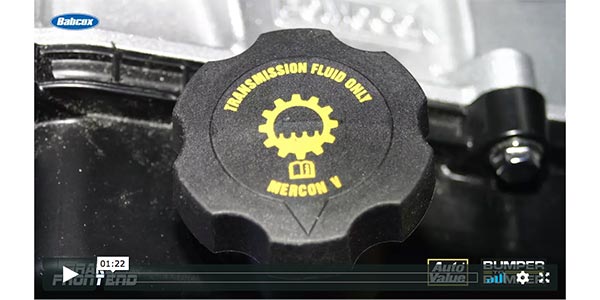
The Gear or Cog Outline
The most recognizable feature of the transmission fluid symbol is the outer border. Look for a circle with “teeth” protruding from the edges, resembling a mechanical gear. This represents the internal gears of the transmission. Unlike the smooth circle used for the engine oil cap or the hexagonal shape often used for brake fluid, the transmission symbol is always textured or jagged to signify mechanical movement.
- Shape: Circular with external notches (cogged).
- Location: Usually found on the handle of a dipstick or the top of a twist-off cap.
- Variations: Some European models may use a gear with an exclamation point (!) in the center.
Internal Icons: Thermometers and Droplets
Inside that gear outline, you will likely see a secondary icon that explains the fluid’s purpose. A thermometer icon inside the gear indicates that the fluid is vital for temperature regulation and cooling. Alternatively, a droplet icon signifies that the reservoir is for lubrication. In some modern vehicles, the symbol may simply be a gear with a “fluid level” line running through the middle, indicating where the oil should sit within the gears.
Common Text Labels and Fluid Type Indicators (ATF vs. CVT)
Sometimes symbols are accompanied by text, or the text replaces the symbol entirely on older or specific domestic models. Knowing these abbreviations is just as important as recognizing the gear icon. These labels ensure you aren’t just in the right place, but that you are also prepared to use the correct type of fluid for your specific transmission architecture.
Understanding ATF vs. CVT Designations
If the gear symbol isn’t immediately obvious, look for stamped lettering on the cap or the yellow/orange handle of the dipstick. The two most common labels you will encounter are ATF and CVT. These are not interchangeable, and using the wrong one can lead to immediate transmission slippage or belt failure.
- ATF: Stands for “Automatic Transmission Fluid.” This is used in traditional step-gear transmissions.
- CVT: Stands for “Continuously Variable Transmission.” These systems require a specialized fluid with different friction properties than standard ATF.
- M/T: Occasionally found on manual transmission fill plugs, though these are rarely accessible from the top of the engine bay.
Color-Coding Systems for Quick ID
While symbols are the primary guide, manufacturers often use color-coding to help you distinguish between various fluids. While not a universal rule, many brands follow a specific palette to make the transmission dipstick stand out from the engine oil dipstick. This allows you to quickly scan the engine bay and narrow down your search area.
In most vehicles, the transmission dipstick handle is colored bright red, orange, or yellow. In contrast, the engine oil dipstick is usually yellow or black. However, you should never rely on color alone. Always look for the gear symbol or the ATF/CVT text to confirm you have the right component before pulling the handle or opening the cap. This double-verification process is the best way to prevent a “wrong fluid” disaster.
Comparing Under-Hood Symbols: Transmission vs. Oil and Coolant
One of the most common mistakes DIY car owners make is confusing the transmission fluid access point with other vital fluid reservoirs. When you pop the hood, you are greeted by several caps, and at a glance, many look remarkably similar. Distinguishing the gear or ATF symbol from the oil can or coolant icon is crucial for the health of your vehicle.
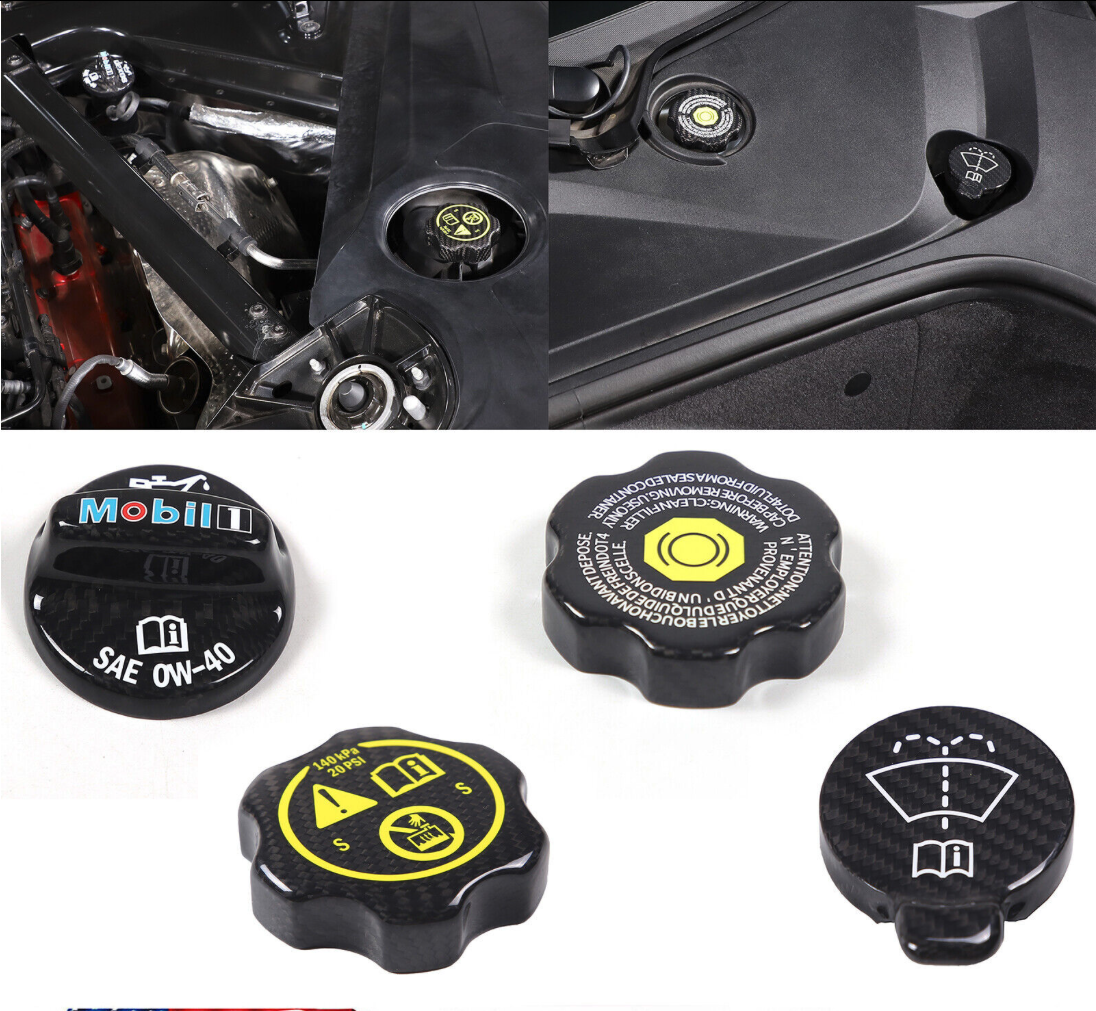
Distinguishing the Transmission Cog from the Oil Can
The engine oil cap is almost always located directly on top of the engine block. It typically features a symbol of a dripping oil can. In contrast, the transmission fluid symbol—if present on a cap or dipstick handle—usually features a gear or a set of parentheses. While engine oil symbols are universal, transmission markers are more likely to include text like “ATF” (Automatic Transmission Fluid) or “Trans.”
Avoiding the Coolant and Brake Fluid Mix-up
Coolant and brake fluid caps are the other primary “look-alikes” in your engine bay. Here is how to tell them apart from your transmission access point:
- Coolant Caps: Usually feature a “caution: hot” symbol, a thermometer in wavy lines, or a book icon suggesting you check the manual.
- Brake Fluid: Almost always features a circle inside a set of parentheses, representing brake shoes or pads.
- Transmission: Unlike these systems, the transmission symbol is specifically designed to represent mechanical gears or the internal drivetrain system.
Key Locations and Color Coding for Transmission Access Points
If the symbols on the caps have worn away or are covered in grime, you can often identify the transmission access point by its physical location and color coding. Manufacturers try to make these points distinct to prevent cross-contamination of fluids, which can lead to expensive repairs.
Common Color Indicators
Most manufacturers use a specific color palette for handles and caps to help technicians work quickly. While not 100% universal, these are the general rules of thumb for modern vehicles:
- Red or Pink: Frequently used for transmission dipsticks or caps to match the color of the fluid itself.
- Yellow: Common for both oil and transmission points, though transmission handles are usually located further back.
- Blue or Green: Typically reserved for windshield washer fluid or specialized coolants, rarely used for transmission.
Proximity to the Engine and Firewall
The placement of the transmission fluid port is a major clue. Because the transmission sits behind or below the engine, the access point is rarely front-and-center. On most Front-Wheel Drive (FWD) vehicles, you will find the transmission dipstick or cap slightly to the side of the engine block. For Rear-Wheel Drive (RWD) vehicles, the access point is almost always located at the very back of the engine bay, close to the firewall (the metal wall separating the engine from the cabin).
Sealed Systems: When There Is No Cap
It is important to note that many modern cars feature “sealed” transmissions. In these vehicles, you won’t find a symbol, a cap, or a dipstick at all under the hood. If you have searched the entire engine bay and cannot find a gear symbol or a colored handle, your vehicle likely requires a professional lift and specialized tools to check the fluid from underneath the chassis.
Conclusion
Correctly identifying the transmission fluid cap symbol is a small but vital skill for any vehicle owner. By recognizing the gear-shaped icon, looking for “ATF” text, and understanding the standard color-coding used by manufacturers, you can avoid the costly mistake of mixing fluids. Remember that the location near the firewall and the specific gear imagery are your best guides when navigating a crowded engine bay.
As a next step, take a moment to locate your transmission access point while the engine is cool and wipe away any dirt to make the symbol clear for future use. If you cannot find a cap or dipstick, consult your owner’s manual to see if your car has a sealed system. Staying proactive about your vehicle’s fluids is the best way to ensure a smooth, long-lasting ride!
💬 Quick Questions & Answers
What does the transmission fluid symbol look like?
It is typically a gear or cog shape, sometimes featuring an oil drop or thermometer inside.
What common text is found on transmission caps?
You will often see ‘ATF’ (Automatic Transmission Fluid) or ‘CVT’ printed on the cap or dipstick.
Is the transmission cap the same as the oil cap?
No, the oil cap uses an oil can symbol, while the transmission uses a gear symbol.
What color is a transmission dipstick handle?
They are most commonly bright red or yellow to distinguish them from other engine components.
Where is the transmission fluid cap usually located?
It is generally found further back in the engine bay, closer to the dashboard/firewall.
❓ Frequently Asked Questions
How do I distinguish the transmission symbol from the engine oil symbol?
The transmission symbol is a serrated gear or cog, whereas the engine oil symbol is an old-fashioned oil can with a drip. Additionally, the oil cap is usually on top of the engine, while the transmission cap is further back.
What should I do if my cap has no symbol but says ‘ATF’?
If the cap is labeled ‘ATF,’ it stands for Automatic Transmission Fluid and is the correct entry point. Always trust the text label if the gear symbol is absent or faded.
Why do some cars lack a transmission fluid cap or dipstick?
Many modern vehicles use ‘sealed’ transmissions that do not have a user-accessible cap or dipstick. In these cases, fluid levels must be checked by a professional using a fill plug underneath the car.
What does a thermometer symbol inside a gear mean?
This is a specific variation of the transmission symbol indicating that the fluid level should be checked when the transmission is at operating temperature. It emphasizes the thermal properties of the fluid.
Is the power steering symbol similar to the transmission symbol?
They can be confused, but power steering caps often feature a steering wheel icon or an oil can without the gear border. Power steering reservoirs are also usually smaller and located toward the side of the engine bay.
Can I use the transmission fluid cap to identify CVT requirements?
Yes, manufacturers often print ‘CVT’ directly on the cap or dipstick handle. It is vital to only use CVT-specific fluid if this label is present, as standard ATF will damage the system.