Transmission Light on Car: Causes, Risks, and Next Steps
📌 Quick Summary If your transmission warning light illuminates, you should stop driving as soon as safely possible to prevent catastrophic internal…
If your transmission warning light illuminates, you should stop driving as soon as safely possible to prevent catastrophic internal damage. This warning typically signals low fluid levels, overheating, or a sensor failure, often resulting in the vehicle entering ‘Limp Mode’ to protect the drivetrain.
🎯 Key Takeaways
- Check transmission fluid levels and color immediately for signs of burning.
- Pull over safely if the light is flashing or the car is overheating.
- Use an OBD-II scanner to identify specific P-series error codes.
- Limp mode limits gear shifting to prevent further internal mechanical wear.
- Ignoring the light can turn a minor sensor fix into a full replacement.
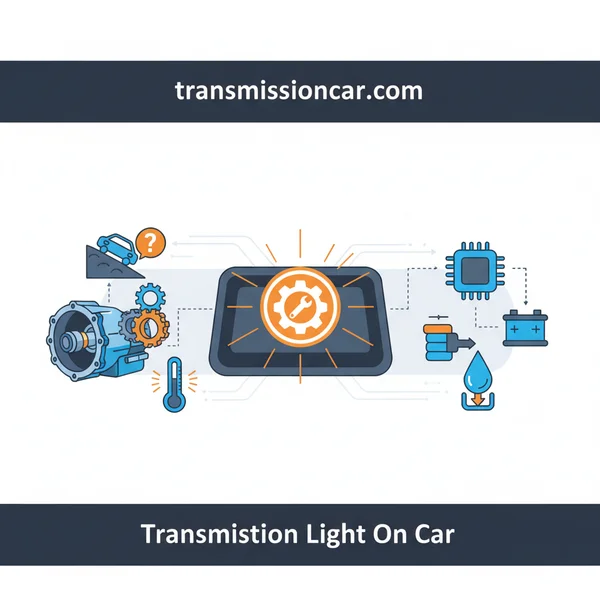
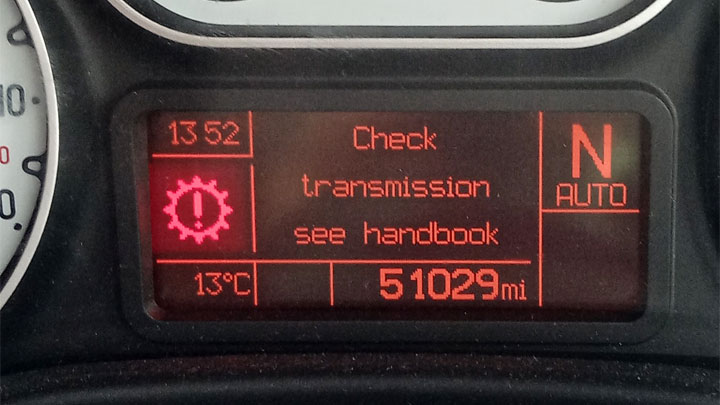
When the transmission warning light illuminates on your dashboard, your car’s computer is signaling that it has detected a specific fault within the drivetrain. This light typically means the Transmission Control Module (TCM) has logged a diagnostic trouble code (DTC) related to fluid pressure, internal temperature, or gear synchronization. Unlike a maintenance reminder, this light is an urgent alert that requires immediate attention to prevent catastrophic internal damage.
Ignoring this warning is a high-stakes gamble. Modern transmissions are highly complex systems that rely on precise hydraulic pressure and electronic timing. A small sensor failure or a minor fluid leak can quickly escalate into a total mechanical breakdown. Addressing the light the moment it appears can often save you thousands of dollars in replacement costs by catching a minor electrical or fluid issue before it destroys the physical gears and clutches inside the unit.
Common Triggers for the Transmission Warning Light
The transmission warning light rarely comes on for no reason. It is almost always tied to one of four specific mechanical or electronic failures. Identifying which one is affecting your vehicle is the first step toward a solution.

Low or Degraded Transmission Fluid
Fluid issues are the number one cause of transmission warnings. Unlike engine oil, transmission fluid operates in a closed system and should not be “consumed” over time. If your fluid is low, you almost certainly have a leak in a gasket, a cooling line, or the pan itself. Low fluid levels lead to a drop in hydraulic pressure, which the TCM detects immediately.
- Fluid Level: When levels are low, the transmission may struggle to engage gears or “flare” between shifts.
- Fluid Quality: Healthy fluid is translucent and bright red. If your fluid is dark brown, black, or smells like burnt toast, it has lost its ability to lubricate and manage heat.
- Contamination: If coolant leaks into the transmission (often called a “strawberry milkshake” appearance), it will cause the internal clutches to dissolve, triggering the warning light instantly.
Faulty Solenoids and Electronic Sensors
Your transmission relies on electronic solenoids to direct fluid into the correct channels to change gears. If a solenoid’s internal coil fails or gets clogged with debris, the gear it controls will not engage properly. The computer monitors the time it takes for a gear change to complete; if that timing is off, the light turns on. Similarly, a failed speed sensor can provide “garbage data” to the computer, making it impossible for the car to know when to shift.
Overheating and Slipping
Transmission fluid is designed to operate within a specific temperature range, usually between 175 and 200 degrees Fahrenheit. If you are towing a heavy load, driving in extreme stop-and-go heat, or if your transmission cooler is clogged, the temperature will spike. Overheating causes the fluid to thin out, which leads to “slipping.” You might notice the engine revving higher than usual without the car actually moving faster. This friction generates even more heat, creating a destructive cycle that the dashboard light is trying to stop.
Understanding Limp Mode and Vehicle Safety Risks
When the transmission light comes on, you might notice a sudden and dramatic change in how your car performs. This is not necessarily a sign that the transmission has “blown,” but rather a programmed safety response designed to save the vehicle from total destruction.
What is “Limp Home Mode”?
Limp Mode (or “Limp-In Mode”) is a security state where the TCM restricts the transmission to a single gear—usually second or third. It also limits engine RPMs and prevents the car from shifting into higher speeds. The goal is to allow you to “limp” the car off the highway or to a nearby repair shop without the gears hunting, slipping, or overheating further.
- Symptoms: You will feel a lack of power, the car will feel “heavy” when accelerating, and it will refuse to shift into overdrive.
- Purpose: By staying in one gear, the car avoids using faulty solenoids or slipping clutch packs that could cause metal shavings to enter the fluid stream.
Is it Safe to Continue Driving?
Whether you should keep driving depends entirely on how the car is behaving and what the light is doing. Generally, you should treat a transmission light with the same level of caution as an oil pressure light. If the car feels like it is operating normally, you may be able to drive it a short distance to a service center. However, certain conditions require an immediate stop.
- Steady Light vs. Flashing Light: A steady light often indicates a sensor or fluid issue. A flashing light, or a light accompanied by a “Transmission Overheat” message, means you should pull over immediately to avoid a fire or total mechanical seizure.
- Physical Feedback: If the car is shaking, making grinding noises, or if you smell something burning, do not continue driving. These are signs of mechanical interference that could cause the wheels to lock up or the engine to stall in traffic.
- Safety Hazard: Driving in Limp Mode on a high-speed highway is dangerous. Because your acceleration is capped, you may not be able to merge safely or maintain a speed that is compatible with surrounding traffic.
If your car has entered Limp Mode, your priority is to find the nearest safe place to park. Do not attempt to “push through” the issue by flooring the gas pedal; this will only increase the internal heat and potentially turn a $300 sensor repair into a $4,000 transmission replacement.
Factors Affecting Transmission Repair and Diagnostic Costs
When that transmission light illuminates, the first question on every driver’s mind is, “How much is this going to cost?” The truth is that transmission work is rarely one-size-fits-all. Several variables dictate whether you will be paying for a simple fluid top-off or a complete unit overhaul. Understanding these factors can help you budget effectively and avoid “sticker shock” at the repair shop.
The Severity of the Internal Issue
The biggest factor is the root cause. Modern transmissions are complex systems involving hydraulics, electronics, and mechanical gears. If the light is on because of a faulty transmission speed sensor or a loose electrical connector, the repair is relatively inexpensive and quick. However, if internal components like the clutch packs or the torque converter have failed, the costs rise significantly due to the intensive labor required to pull the unit apart and replace delicate internal parts.
Labor Rates and Specialized Expertise
Where you take your car matters just as much as what is wrong with it. Diagnostic fees usually range from $100 to $200, though some shops waive this fee if you choose to proceed with the suggested repair. Key factors that influence the final bill include:
- Vehicle Make and Model: Luxury or European imports often require specialized tools and higher-priced proprietary fluids that increase the total cost.
- Shop Type: A dedicated transmission specialist might charge more per hour than a general mechanic, but their expertise can often pinpoint issues faster, saving you money on unnecessary parts.
- Geographic Location: Just like housing, labor rates in major metropolitan areas are consistently higher than in rural regions due to overhead costs.
Professional vs. DIY Transmission Diagnostics Comparison
In the age of affordable technology, many car owners consider diagnosing their own transmission light. While this can save time and satisfy your curiosity, there is a significant difference between reading a digital code and understanding a mechanical problem.
The DIY Route: OBD-II Scanning
If you own a basic handheld OBD-II scanner, you can quickly retrieve a trouble code (such as a P0700 series code). This is an excellent way to get an initial idea of what is happening under the hood. It helps you stay informed when talking to a mechanic and can help you decide if the car is even safe to drive to the shop. However, consumer-grade scanners often miss manufacturer-specific “sub-codes” that provide deeper insight into hydraulic pressure or gear ratios.
The Professional Edge
A professional technician does more than just plug in a tool. They use high-end diagnostic suites that can perform active tests—commanding the transmission to shift gears or engage certain solenoids while the car is stationary to see how it responds. Professionals also provide these critical benefits:
- Physical Inspection: Mechanics check the color and smell of the fluid and look for metal shavings in the pan, which a computer scanner simply cannot do.
- Road Testing: Experienced technicians can “feel” the specific slip or harshness that accompanies electronic error codes, confirming the computer’s findings.
- Warranty Security: Having a professional diagnose the issue ensures that any subsequent repairs are documented and backed by a shop warranty.
Conclusion
A transmission light is your vehicle’s way of asking for help before a minor glitch turns into a major mechanical failure. By understanding the common causes—ranging from simple low fluid levels to complex sensor malfunctions—you can approach the repair process with confidence. While it is tempting to ignore a light that only flickers occasionally, remember that the cost of a diagnostic check is always cheaper than a total transmission replacement caused by neglect.
Your next step should be to check your fluid levels if your vehicle has a dipstick, and then schedule a professional diagnostic scan as soon as possible. Don’t let a small warning light leave you stranded! Take action today to keep your car shifting smoothly and safely for miles to come.
💬 Quick Questions & Answers
Can I drive with the transmission light on?
It is not recommended; driving can cause permanent mechanical damage, especially if the car feels sluggish or jerky.
What does a flashing transmission light mean?
A flashing light usually indicates a severe overheating issue or a critical mechanical failure requiring immediate attention.
Does low fluid trigger the transmission light?
Yes, low or contaminated fluid is the most frequent reason the transmission warning light illuminates.
Is the transmission light the same as the Check Engine light?
Not always; some cars have a specific gear icon or ‘Trans Overtemp’ message, while others use the Check Engine light.
What is transmission Limp Mode?
It is a safety feature that locks the car into a single gear (usually 2nd or 3rd) to prevent further damage.
❓ Frequently Asked Questions
Why is my transmission light on but the car is shifting fine?
The light may be triggered by a faulty sensor or a minor pressure variation that hasn’t yet affected drivability. However, ignoring it can lead to sudden failure, so getting an OBD-II scan is essential to find the root cause before it worsens.
What does burnt transmission fluid look and smell like?
Healthy fluid is bright red and odorless, while burnt fluid appears dark brown or black and has a pungent, acrid smell. If your fluid looks like this, it indicates internal friction and overheating that require professional service immediately.
Can a low battery cause a transmission warning light?
Yes, modern transmissions rely heavily on electronic solenoids and sensors that require steady voltage. A weak battery or failing alternator can cause erratic sensor readings, triggering a false or secondary transmission warning light.
How much does it typically cost to diagnose a transmission light?
A professional diagnostic fee usually ranges from $75 to $150, which includes a full computer scan and physical inspection. This is significantly cheaper than ignoring the light, which could lead to a full rebuild costing thousands.
Will the transmission light reset itself after adding fluid?
In some vehicles, the light may turn off after several drive cycles, but most require an OBD-II tool to clear the stored error code. Even if the light goes off, the underlying cause of the fluid loss should be investigated for leaks.
What are the symptoms of a failing transmission solenoid?
Common signs include delayed shifts, an inability to downshift, or the transmission getting stuck in neutral. Solenoid issues are a frequent cause of the warning light and are often much cheaper to fix than mechanical gear failure.