What Does Transmission Fluid Smell Like: A Guide To Fluid Health And Scent Variations
While many drivers rely exclusively on dashboard warning lights or computerized scans to signal vehicle trouble, your sense of smell remains one…
While many drivers rely exclusively on dashboard warning lights or computerized scans to signal vehicle trouble, your sense of smell remains one of the most sensitive and immediate diagnostic tools for detecting early transmission failure. Understanding what transmission fluid should smell like is often the difference between a minor fluid exchange and a catastrophic mechanical breakdown. Many car owners struggle to differentiate between normal chemical aromas and signs of oxidation or contamination, leading to missed warnings that eventually result in four-figure repair bills. In this expert guide, you will learn to distinguish between the healthy sweet-tart aroma of fresh fluid and the acrid, burnt, or syrupy odors that demand professional intervention.
The Characteristic Aroma of Healthy Transmission Fluid
📤 Share Image
To accurately diagnose a transmission issue, one must first establish a baseline for quality, fresh lubricant. New Automatic Transmission Fluid (ATF) typically possesses a slightly sweet, tart, or petroleum-based scent that is distinct but not overpowering. Unlike engine oil, which can smell “heavy” or strictly like crude oil, ATF is a sophisticated hydraulic fluid engineered with complex additive packages. These additives are responsible for the unique “tart” or chemical edge you notice when opening a fresh bottle.
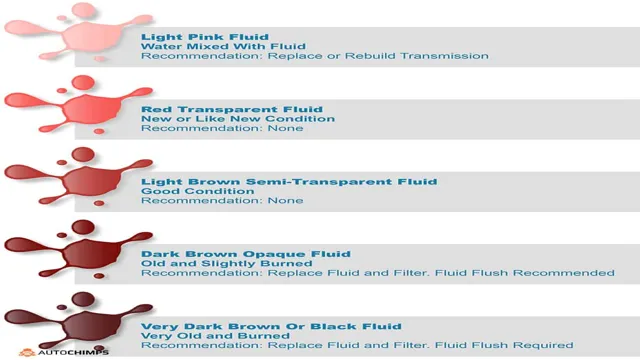
The specific “tartness” is primarily attributed to friction modifiers and detergents. These chemicals ensure that the transmission maintains reliable hydraulic pressure while allowing for smooth engagement of the clutch packs. When you compare a fresh bottle of a premium fluid like Castrol Transmax to fluid that has been in a low-mileage vehicle for six months, the scent should remain virtually identical. If the fluid is healthy, it will retain its chemical integrity and its translucent, bright red color, indicating it is free from oxidation.
By The Numbers: Thermal Integrity
Average Flash Point of ATF
Optimal Operating Temp
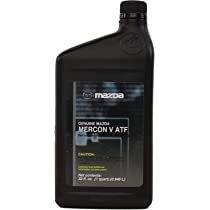
Different fluid formulations such as Dexron VI, Mercon V, or Type F may exhibit slight variations in scent intensity. This is due to their unique chemical compositions and the concentration of viscosity index improvers. For instance, high-viscosity fluids intended for older heavy-duty trucks may have a more pronounced petroleum scent compared to the thinner, highly synthetic fluids used in modern fuel-efficient sedans. Regardless of the brand, fresh ATF is designed to maintain its scent profile and chemical stability under normal operating temperatures of 175°F to 200°F.
Identifying the Acrid Scent of Burnt Transmission Fluid
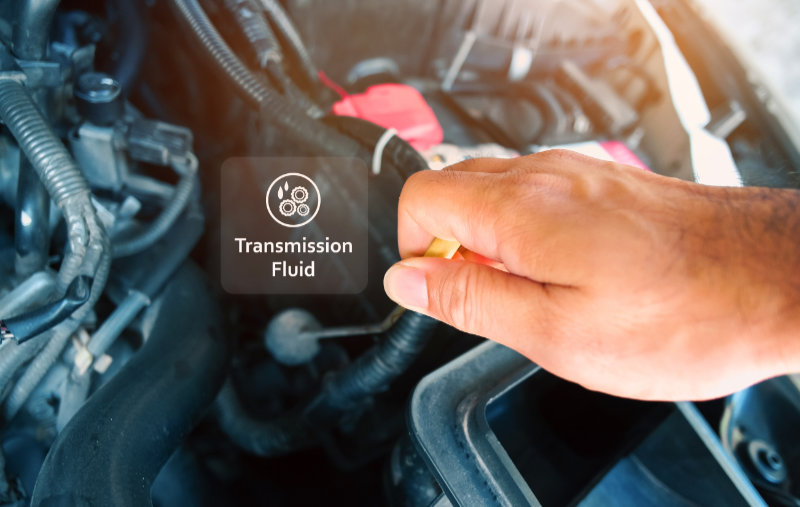
As a professional technician with years of experience, I can tell you that a burnt smell—often compared to burnt toast, scorched rubber, or even singed hair—is the single most definitive indicator of thermal breakdown. When transmission fluid exceeds its thermal limit, a process known as oxidation occurs. During oxidation, the hydrocarbons in the fluid break down and react with oxygen to form sludge, varnish, and a pungent, acrid aroma that is impossible to mistake for healthy fluid.
This scent often accompanies internal mechanical failure. When internal friction components, such as clutch plates and bands, begin to slip, they generate immense localized heat. This friction literally chars the material, shedding microscopic debris into the fluid. This “charred” note, combined with the chemical breakdown of the oil, signals that the fluid has lost its lubricating properties. Once this happens, metal-on-metal contact increases significantly, compromising the trusted reliability of your drivetrain.
For every 20-degree increase in fluid temperature above the baseline of 175°F, the functional life of the transmission fluid is cut exactly in half. A vehicle towing a heavy trailer through a mountain pass without an auxiliary cooler can easily reach 250°F, causing immediate fluid scorching and the development of a permanent burnt odor.
Detecting a burnt smell is an urgent warning. If you pull the dipstick and the aroma is sharp and smoky rather than sweet and tart, the fluid’s quality has been compromised. In these cases, the fluid is no longer capable of protecting the sensitive valve body or cooling the internal components. Continuing to drive with oxidized fluid will inevitably lead to hardening of the internal seals and total transmission failure.
Scent Profiles of Manual Gear Oil and CVT Fluids
It is critical for an expert diagnostic approach to differentiate between Automatic Transmission Fluid and other transmission technologies. Manual transmission gear oil is a completely different chemical beast. Most manual gear oils (such as 75W-90) contain high levels of sulfur-phosphorus extreme pressure (EP) additives. These additives are essential for protecting the heavy gears from galling under high loads, but they give the oil a distinct “rotten egg” or sharp, skunky chemical smell even when the fluid is brand new.
Conversely, Continuously Variable Transmission (CVT) fluids are formulated with vastly different friction coefficients to accommodate the steel belt-and-pulley system. CVT fluid typically has a milder, more synthetic odor compared to traditional ATF. It lacks the heavy sulfur scent of manual gear oil and the distinct “tartness” of standard ATF. Understanding these differences prevents unnecessary repairs; a DIYer might smell a manual gearbox and assume the “rotten egg” scent means failure, whereas a professional knows that sulfur-phosphorus additives can make up to 5% of the total volume in high-quality gear oils.
The Sweet or Syrupy Odor of Coolant Contamination
If your transmission fluid smells abnormally sweet—almost like candy, maple syrup, or heavy perfume—you are likely facing a “Strawberry Milkshake” scenario. This scent profile indicates that engine coolant (antifreeze) has breached the internal transmission cooler, which is typically located inside the vehicle’s radiator. When the internal walls of the cooler corrode, the high-pressure coolant mixes with the transmission fluid.
The chemical impact of this cross-contamination is catastrophic. Ethylene glycol, the primary ingredient in coolant, is a solvent that dissolves the glue holding the friction material to the clutch plates. Once the glue is compromised, the clutch material simply peels away, resulting in total internal failure. This mixture creates a pink, frothy, opaque emulsion that lacks the quality of pure lubricant and is easily identified by its syrupy smell and “peaches and cream” appearance.
Water and glycol contamination of as little as 0.1% is enough to cause catastrophic failure in modern automatic transmissions. By the time you can actually “see” the fluid turning pink, the damage to the friction discs is likely already advanced. Early detection via scent is often the only way to save the unit before a total rebuild becomes necessary.
A classic example involves a high-mileage vehicle where the radiator has never been flushed. The protective anti-corrosion additives in the coolant break down, allowing the radiator’s internal tank to fail. If you notice a sudden rise in transmission temperature accompanied by a sweet, syrupy smell under the hood, pull over immediately. The longer the glycol sits in the transmission, the less likely a simple flush will be able to save the internal components.
Professional Diagnostic Steps for Testing Fluid Condition
To perform a complete and accurate fluid assessment, you must follow established safety and diagnostic protocols. Checking the fluid only when cold or only by sight is insufficient. Follow this step-by-step guide to ensure a reliable diagnosis of your transmission’s health.
📋
Professional Fluid Assessment Steps
Drive the vehicle for at least 15 minutes to reach an operating temperature of roughly 175°F. Scent molecules are more volatile and easier to detect when the fluid is warm. Ensure the vehicle is on a level surface with the parking brake engaged.
Pull the dipstick and place a large drop of fluid onto a clean, white paper towel. Wait 30 seconds for the fluid to diffuse. Observe the color (should be red, not brown) and then lean in to smell the center of the spot where the fluid is most concentrated.
Check the paper towel for dark specks or metallic glitter. If these visual cues are accompanied by a burnt or acrid odor, the friction material is failing. If the scent is sweet but the color is cloudy, focus on finding a coolant leak.
Consistent maintenance intervals are the only way to avoid these foul odors in the first place. Most trusted technicians recommend a fluid exchange every 30,000 to 60,000 miles, depending on your driving habits and load. Proper fluid maintenance can easily extend the life of a modern transmission to 200,000 miles or more, whereas neglected fluid that has begun to smell burnt will often cause a failure before the vehicle reaches 100,000 miles. Always use manufacturer-specific fluids to maintain the professional performance standards of your vehicle’s warranty.
In summary, healthy transmission fluid should have a slightly sweet, petroleum-like scent and a translucent red color. A burnt smell is a critical indicator of thermal breakdown and friction material wear that requires immediate attention. Contaminants like coolant or water can alter the scent to a syrupy aroma and change the appearance to a frothy pink, leading to rapid mechanical failure. If your transmission fluid smells scorched or acrid, consult a trusted professional technician immediately to perform a fluid analysis and prevent a costly total transmission replacement.
Frequently Asked Questions
Is it normal for my transmission fluid to smell like burnt toast?
No, a burnt toast odor is a primary symptom of oxidized transmission fluid. This occurs when the fluid has been exposed to excessive heat, causing it to lose its lubricating properties and ability to protect internal gears. You should have a professional technician perform a fluid exchange and inspect the system for signs of overheating or slipping clutch packs.
Does manual transmission fluid smell different than automatic fluid?
Yes, manual transmission fluid (gear oil) typically has a much stronger, more pungent scent often compared to rotten eggs or sulfur. This is due to the extreme pressure (EP) additives required to protect heavy gears. While it may smell ‘bad’ to a layperson, it is often perfectly healthy, provided it is not accompanied by a scorched, acrid aroma.
Why does my transmission fluid smell extremely sweet?
An overly sweet, syrupy smell usually indicates that engine coolant has leaked into the transmission system, often through a failed internal radiator cooler. This creates a highly destructive mixture. If you notice this scent along with a pink, frothy appearance on the dipstick, stop driving the vehicle immediately to prevent permanent damage to the transmission’s internal friction plates.
Can I tell if my fluid is bad just by the smell?
Scent is a powerful indicator, but it should be used in conjunction with visual inspection and performance monitoring. If the fluid smells burnt and appears dark brown or black, it is certainly degraded. However, some synthetic fluids may maintain their scent even while additives are depleted, so regular professional service intervals based on mileage remain the most reliable maintenance strategy.
What should I do if my transmission fluid smells unusual but looks clean?
If the fluid smells ‘off’ but remains bright red and translucent, it may be in the early stages of thermal stress or could be contaminated by a small amount of moisture. It is best to have a reliable mechanic perform a diagnostic check. Catching these odors early is a professional way to avoid the high costs associated with a full transmission rebuild.