When Should I Change My Transmission Fluid: Maintenance Intervals And Performance Indicators
While most drivers are diligent about engine oil changes, the transmission—the most complex mechanical component in a vehicle—is frequently neglected until a…
While most drivers are diligent about engine oil changes, the transmission—the most complex mechanical component in a vehicle—is frequently neglected until a costly failure occurs. Confusion persists regarding ‘lifetime’ fluid claims and the specific mileage intervals required to prevent gear slippage and internal component wear. This guide provides a technical overview of when to service your transmission, covering manufacturer standards, visual inspection techniques, and mechanical warning signs. By understanding the fundamentals of fluid degradation, you can prevent the catastrophic failures that often result in multi-thousand-dollar rebuilds. We will dive into the basics of fluid roles and the key points that dictate a necessary service intervention.
An Introduction to Transmission Fluid Roles and Functionality
In the realm of automotive engineering, transmission fluid is the most hardworking multi-tasker in your vehicle. To provide a high-level introduction to its basics, one must view it as the lifeblood of the drivetrain. Unlike engine oil, which primarily lubricates and cleans, Automatic Transmission Fluid (ATF) must serve as a hydraulic medium, a coolant, and a frictional controller simultaneously.
📤 Share Image
Hydraulic Pressure and Gear Engagement
In an automatic transmission, fluid is the mechanism of action. It provides the hydraulic pressure necessary to engage various clutch packs and bands within the planetary gear sets. Without the correct viscosity and pressure, the transmission cannot physically move the internal components required to change gears. This is why low fluid levels or aerated fluid lead directly to “delayed engagement” when shifting from Park to Drive.
Heat Dissipation and Frictional Modifiers
The torque converter is a massive heat generator. As fluid is “sheared” within the converter to transfer power from the engine to the transmission, it generates significant thermal energy. The fluid must carry this heat to the transmission cooler (often integrated into the radiator) to prevent the internal seals from hardening. Furthermore, industry-standard fluids like Dexron VI or Mercon V contain complex frictional modifiers. These chemicals ensure that clutches grab firmly but smoothly, preventing the “shudder” or “chatter” often felt in neglected units.
By The Numbers
of failures due to overheating
Ideal operating temperature
ATF vs. Manual Gear Oil
It is important to distinguish between ATF and manual gear oils. Manual transmissions generally use a much thicker, high-viscosity oil designed for extreme pressure (EP) protection of synchronized gears. Automatic fluids are much thinner to facilitate rapid hydraulic response and cooling. Misidentifying these can lead to immediate mechanical failure.

Standard Manufacturer Intervals Explained for Normal and Severe Conditions
Determining the correct service interval requires a nuanced understanding of your specific driving environment. While the owner’s manual provides a baseline, these recommendations are often optimized for marketing “low cost of ownership” rather than maximum vehicle longevity.
The Manual Transmission Baseline
Manual transmissions are relatively simple, but they are prone to shedding microscopic metal particles as synchros wear. For most manual gearboxes, a fluid change every 30,000 to 60,000 miles is the gold standard. This removes the “glitter” or metallic debris that can accelerate bearing wear over time.
The “Lifetime Fluid” Marketing Myth
Many modern manufacturers, such as Toyota with their World Standard (WS) fluid or Ford with Mercon LV, claim the fluid is “Lifetime” and never needs changing under “Normal” conditions. However, “Normal” driving—as defined by engineers—involves constant speeds on flat terrain in temperate weather. In reality, most drivers fall into the Severe Driving category, which demands an interval of 60,000 miles for automatics.
Continuously Variable Transmissions (CVTs) are much harder on fluid due to the high friction between the steel belt and pulleys. I recommend a strict 30,000-mile interval for CVTs to prevent premature belt slip and chain stretch.
Defining Severe Driving Conditions
- Frequent Towing: Increases internal pressures and heat exponentially.
- Stop-and-Go Traffic: Prevents the transmission from getting adequate airflow for cooling.
- Extreme Temperatures: Operating in environments consistently above 90°F.
- Mountainous Terrain: Causes frequent shifting and higher torque converter slip.
The data is clear: driving in temperatures consistently above 90°F can reduce transmission fluid life by 50% for every 20-degree increase in operating temperature. If you live in the Southwest or use your truck for hauling, you should be servicing your transmission twice as often as the “Standard” manual suggests.
Understanding Visual Indicators and the Fluid Color Chart
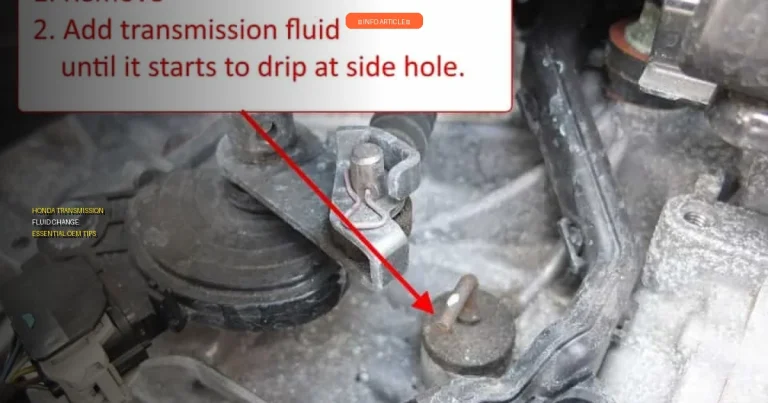
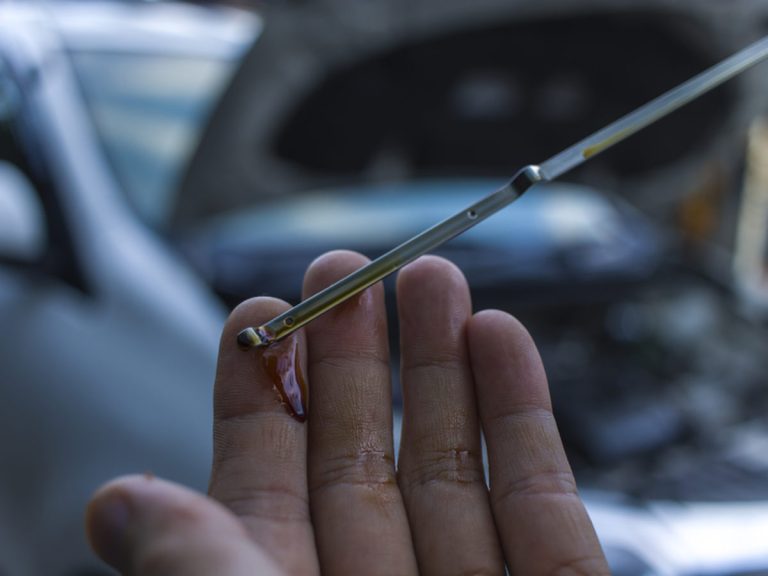
A physical inspection is the most reliable way to gauge fluid health. While some modern “sealed” transmissions lack a dipstick, most still feature a “level check plug” on the side or bottom of the case. Understanding the color and consistency of the fluid provides a direct window into the transmission’s internal condition.
The Olfactory and Consistency Tests
Beyond color, your senses of smell and touch are vital. If the fluid emits a “burnt toast” smell, it indicates the fluid has reached its thermal limit and the clutch plates have likely begun to scorch. If you rub the fluid between your fingers and feel grit or see metallic sparkles, you are looking at the remnants of your gears or bearings. Transmission fluid typically operates at 175°F; for every 20 degrees above 200°F, the oxidation rate doubles, turning that healthy red fluid into a corrosive sludge.
If your fluid looks like a pink milkshake, your radiator’s internal transmission cooler has failed, mixing engine coolant with ATF. This is a fatal condition for transmission clutches; do not start the engine, as the water in the coolant will dissolve the clutch adhesives within minutes.
Mechanical Symptoms That Signal an Immediate Need for Service
Your vehicle will often communicate its distress through shift quality before a total failure occurs. Recognizing these key points of mechanical failure can save you from a complete rebuild. In fact, surveys show that 70% of shifting complaints can be resolved with a simple fluid exchange rather than a full mechanical overhaul.
Slipping Gears and Delayed Engagement
If your engine revs up (RPMs increase) but the vehicle doesn’t accelerate proportionally, your transmission is “slipping.” This occurs because degraded fluid cannot provide the friction required for the clutches to hold. Similarly, delayed engagement—where you shift into gear and wait 2-3 seconds for the “thud” of engagement—is a classic sign of low fluid pressure or internal seal hardening.
Torque Converter Shudder
One of the most common symptoms I encounter is Torque Converter Shudder. This feels exactly like driving over a “rumble strip” on the highway, typically occurring between 40 and 60 mph. This is caused by the torque converter clutch vibrating as it attempts to lock up with depleted friction modifiers in the fluid.
Unusual Noises
Whining or buzzing sounds often indicate a clogged transmission filter or a pump struggling with aerated fluid.
Surging
Contaminated fluid causes inconsistent power delivery, leading to the car lunging forward or backward unexpectedly.
The Logistics of Fluid Exchange vs. a Full Transmission Flush
Once you’ve determined that service is necessary, you must choose the correct methodology. This is where many DIYers and even some shops make critical errors. Understanding the difference between a drain-and-fill and a machine flush is vital for the safety of your transmission.
✅ Drain and Fill
- Safest for high-mileage units
- Does not disturb settled debris
- Easier for DIY with basic tools
- Replaces 30-50% of total fluid
❌ Machine Flush
- Can dislodge sludge into valves
- High pressure may damage seals
- Replaces 100% of fluid
- Risk of causing “slip” in old units
The Risk of New Fluid in Neglected Units
There is a common industry scenario: a vehicle with 200,000 miles that has never had a service receives a full flush, and then fails 500 miles later. Why? In a severely neglected transmission, the only thing providing friction to worn clutches is the suspended particulate matter in the old, “burnt” fluid. When you flush it with clean, high-detergent fluid, you remove that friction material, and the worn clutches begin to slip. For high-mileage, neglected units, I always recommend multiple drain-and-fill procedures over several weeks rather than a pressurized flush.
Filter Replacement: Don’t Forget the Sieve
Many modern transmissions use internal felt filters. A standard drain-and-fill usually leaves 4 to 5 quarts of old fluid in the torque converter. To maximize the effectiveness of your service, always drop the pan and replace the filter if your vehicle design allows for it. This requires a new gasket, a torque wrench for the pan bolts (usually 8-10 lb-ft), and sometimes a scan tool to verify the fluid temperature for the final level check.
📋
Step-by-Step Inspection Guide
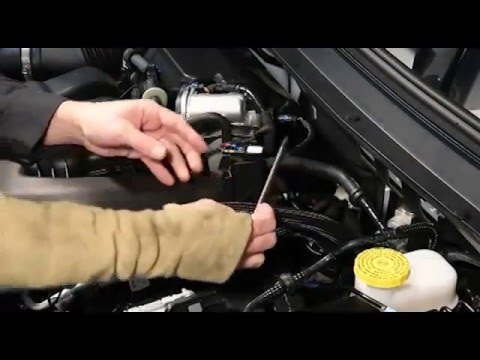
Engine running, transmission at operating temperature (175°F), and vehicle on a level surface. Pull the dipstick or check the overflow plug.
Drip fluid onto a white paper towel. Look for the red hue (health), brown tint (oxidation), or black soot (burnt clutches).
In summary, transmission fluid should typically be changed every 30,000 to 60,000 miles for optimal longevity, particularly if you drive in severe conditions. Visual cues like dark color or a burnt odor are definitive indicators of fluid oxidation and should not be ignored. Mechanical symptoms such as slipping, shuddering, or delayed engagement require immediate diagnostic attention to avoid total gear failure. Consult your owner’s manual for specific fluid specifications—never guess between ATF types—and schedule a professional inspection if you notice any changes in shift quality. Proper maintenance today is the only way to avoid the massive expense of a transmission replacement tomorrow.
Frequently Asked Questions
Is it true that I should never change fluid on a high-mileage car?
There is a grain of truth here; in severely neglected transmissions, the friction material from worn clutches becomes suspended in the old fluid. Replacing it with high-detergent new fluid can cause the remaining friction material to wash away, leading to slipping. In these cases, a ‘drain and fill’ is safer than a pressurized flush.
How can I tell the difference between a transmission leak and an oil leak?
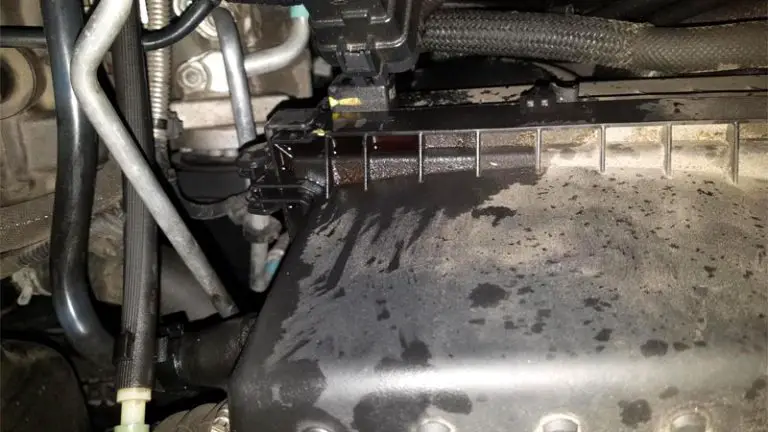
Transmission fluid is typically thinner than engine oil and features a distinct reddish hue (when fresh) and a sharp, sweet, or acrid smell. Engine oil is usually amber or black and feels more viscous. Most transmission leaks occur near the front pump seal, the output shaft seal, or the transmission pan gasket.
Can I use a universal transmission fluid for my vehicle?
It is highly discouraged. Modern transmissions are engineered with specific frictional requirements. Using a ‘Multi-Vehicle’ fluid that does not meet your manufacturer’s exact specification (such as ZF-LifeGuard or Toyota WS) can lead to premature clutch wear, poor shift quality, and eventual solenoid failure due to incorrect viscosity and additive packages.
Why does my car shift better after the fluid is changed?
New fluid restores the correct ‘coefficient of friction’ required for the clutch packs to grab without slipping. It also restores the hydraulic pressure stability and heat-dissipation properties that degrade as the fluid’s polymer chains break down over time, resulting in crisper, more predictable gear transitions and reduced operating temperatures.
What is the average cost of a transmission fluid change?
A standard drain and fill typically costs between $150 and $250, depending on the fluid capacity and the cost of synthetic ATF. A full machine flush involving 12-16 quarts of fluid can range from $250 to $400. This is a minor investment compared to the $3,000 to $6,000 cost of a full transmission rebuild.