Bad Torque Converter vs. Bad Transmission: Key Differences
📌 Quick Summary Identifying the root cause of shifting issues is crucial because torque converter failure often mimics internal transmission damage. While…
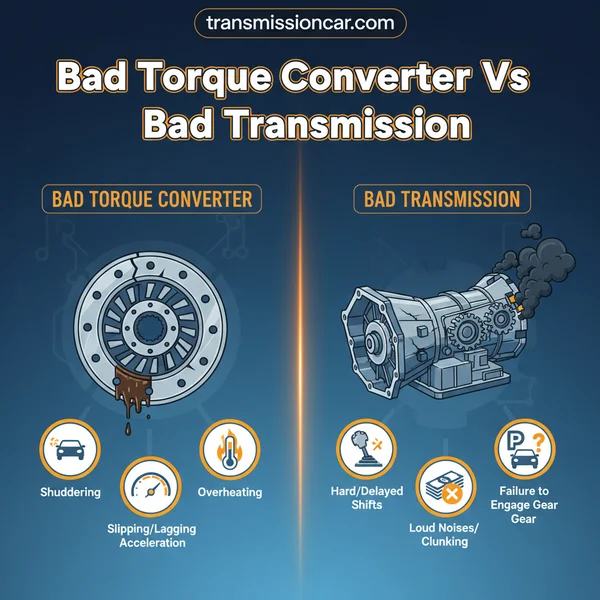
Identifying the root cause of shifting issues is crucial because torque converter failure often mimics internal transmission damage. While a bad converter usually causes shuddering at specific speeds (30–45 mph), a failing transmission typically involves total gear loss, burnt fluid, or metallic debris in the pan.
🎯 Key Takeaways
- Shuddering at 30-45 mph usually points to a failing torque converter.
- Burnt fluid and metal shavings indicate internal transmission gear failure.
- A bad torque converter can eventually destroy the entire transmission.
- Test in neutral:noise that persists usually means transmission pump issues.
- Replacing a torque converter is significantly cheaper than a full rebuild.
The fastest way to tell if you have a bad torque converter versus a bad transmission is to pinpoint exactly when the problem occurs. If your car shudders like you are driving over rumble strips between 30 and 45 MPH, you are likely looking at a failing torque converter clutch. However, if the car refuses to move in any gear, makes a loud whining noise that changes with engine RPM, or shows heavy metal shavings in the fluid, the internal components of the transmission have likely failed. Identifying these differences early is the difference between a mid-range component replacement and a $4,000 transmission rebuild.
Practically speaking, the torque converter acts as the bridge between your engine and the gearbox. Because it is a separate unit, it can often be replaced without overhauling the entire transmission. Understanding the specific symptoms allows you to walk into a repair shop with a clear diagnosis, preventing you from paying for a full transmission replacement when a simpler torque converter swap would have solved the issue. This guide focuses on the diagnostic “smoking guns” that separate these two common points of failure.
Core Symptoms: Identifying Torque Converter vs. Transmission Failure
Distinguishing between these two failures requires paying close attention to your tachometer and the “feel” of the vibration. A torque converter issue is often hydraulic or relates to the lock-up clutch. A transmission failure is usually mechanical, involving worn-out clutch packs, broken planetary gears, or a failing pump. Below is a direct comparison of how these symptoms manifest during daily driving.
The Torque Converter “Shudder” and Slippage
The most common sign of a failing torque converter is “shuddering.” This typically happens when the torque converter clutch (TCC) tries to engage to create a direct mechanical link between the engine and transmission for fuel efficiency. If the friction material on that clutch is worn, it will slip and grab repeatedly, creating a violent vibration. You will notice this most often at steady speeds between 30 and 50 MPH. If the shuddering stops the moment you tap the brake pedal (which signals the computer to disengage the TCC), the torque converter is definitely your culprit.
- Surging: You feel the car lunging forward or dropping back slightly while maintaining a constant throttle.
- High Stall Speeds: The engine revs much higher than normal before the car starts to move from a stop.
- Noise in Gear: You hear a whirring or clicking sound while stopped in “Drive,” but the sound disappears when you shift to “Neutral.”
Transmission Failure: Total Gear Loss and Grinding
While a bad converter can cause slipping, a bad transmission often results in a total loss of specific gears. For example, if your car drives fine in first and second but “freewheels” (revs without moving) when it tries to hit third, you have a hard mechanical failure inside the gearbox. Unlike converter issues, transmission failures often produce consistent mechanical grinding or whining that persists regardless of whether the lock-up clutch is engaged.
- Delayed Engagement: You shift into “Drive” or “Reverse,” and it takes several seconds for the transmission to “clunk” into gear.
- Check Engine Light (P0700 Codes): While converters can trigger codes, specific gear ratio error codes (like P0730) usually point to internal transmission damage.
- Limp Mode: The vehicle stays locked in 2nd or 3rd gear to prevent further damage, a common sign of internal electronic or hydraulic failure.
Symptom Comparison Table
| Symptom | Likely Torque Converter | Likely Transmission |
|---|---|---|
| Shuddering at 30-45 MPH | Yes (Common TCC failure) | Rarely |
| Noises in Neutral | No (Stops when disconnected) | Yes (Bearings/Pump) |
| Slipping in specific gears | No (Slipping is constant) | Yes (Worn clutch packs) |
| Burnt smell/Black fluid | Possible | Highly Likely |
| Car won’t move at all | Rare (Only if total hub failure) | Common (Pump or Forward Clutch) |
Diagnostic Fluid Analysis: What Your Transmission Fluid Reveals
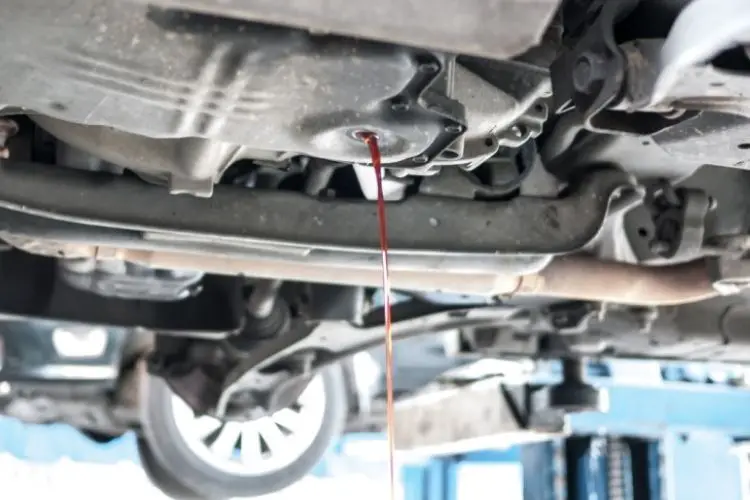
Before you spend money on professional diagnostics, your transmission dipstick can provide a “health report” of the internals. Because the torque converter and the transmission share the same fluid, the type of debris found in the fluid tells you exactly which component is disintegrating.
Color and Smell: Signs of Internal Friction
Healthy transmission fluid should be bright red and translucent. If your fluid is dark brown or black and smells like burnt toast, it indicates that something has been overheating. In a torque converter failure, the fluid may look relatively clean but contain fine, glittery “dust.” If the fluid is opaque black and smells acrid, the internal clutch packs of the transmission have likely burned away, meaning the transmission itself requires a rebuild.
Debris in the Pan: Metal vs. Friction Material
If you or a mechanic drop the transmission pan, the debris on the magnets provides the final answer. It is normal to see a small amount of fine “sludge” (grayish dust) on the magnets. However, the following findings are red flags:
- Large Metal Chunks: This indicates a mechanical failure of the planetary gears or the transmission pump. This is a transmission failure.
- Brass/Gold Flakes: This often points to worn bushings inside the transmission.
- Heavy Aluminum Shavings: This is a classic sign of the torque converter impeller or turbine fins grinding against the housing.
- Black “Flakes”: These are pieces of the torque converter clutch lining or internal transmission clutch discs. If the fluid is otherwise red, it may just be the converter.
The Neutral vs. Drive Test
A simple way to isolate the noise is the Neutral Test. Start your car and listen to the transmission. If you hear a whining sound while in “Park” or “Neutral,” it is likely the transmission pump. If the transmission is silent in “Neutral” but begins to whine or vibrate the moment you shift into “Drive” (while holding the brake), the load is being placed on the torque converter. This suggests the needle bearings inside the converter are failing, rather than the transmission gears themselves.
Comparative Repair Costs: Converter Replacement vs. Full Rebuild
When you are staring down a potential repair bill, the difference between a torque converter issue and a total transmission failure is significant. While neither repair is “cheap,” understanding the price gap can help you manage your expectations and your budget. A torque converter is a single component, whereas a transmission is a complex assembly of hundreds of moving parts.
Breaking Down the Numbers
On average, replacing a torque converter will cost between $600 and $1,200. The part itself usually costs between $150 and $500, with the remainder of the bill going toward labor. In contrast, a full transmission rebuild or replacement typically starts at $2,500 and can easily climb to $5,000 or more for modern vehicles. Identifying a converter issue early can literally save you thousands of dollars.
- Torque Converter: Lower parts cost, moderate labor intensity.
- Transmission Rebuild: High parts cost (clutch kits, seals, bands), extremely high labor.
- Transmission Replacement: Very high parts cost (new/remanufactured unit), moderate labor.
Why Labor is the Wild Card
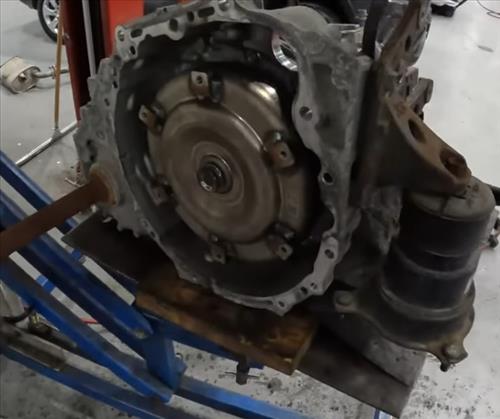
Even if you only need a new torque converter, the labor cost remains high because the mechanic must still remove the entire transmission to access the part. This is why many experts recommend replacing the front pump seal and checking the input shaft while the unit is out. If your vehicle is high-mileage, you’ll need to decide if it is worth paying for the labor twice if the rest of the transmission fails a few months later.
Long-Term Risks: When a Bad Converter Damages the Transmission
Ignoring a shuddering torque converter is a recipe for disaster. While the converter is technically a separate unit bolted to the flexplate, it shares the same “lifeblood” as the transmission: the automatic transmission fluid (ATF). When one component begins to fail, it inevitably poisons the rest of the system through heat and debris.
The Domino Effect of Overheating
One of the torque converter’s primary jobs is to manage the flow of fluid to create torque. When it malfunctions—specifically if the lock-up clutch fails to engage—it generates an immense amount of friction and heat. Excessive heat is the number one killer of automatic transmissions. It causes the fluid to oxidize (burn), losing its lubricating properties and leading to hardened seals and slipping clutches throughout the entire gearbox.
- Fluid Discoloration: Watch for fluid that looks dark brown or black instead of bright red.
- Burnt Smell: If your transmission dipstick smells like burnt toast, the damage is already spreading.
- Erratic Shifting: Heat-thinned fluid cannot provide the pressure needed for smooth gear changes.
The Danger of Internal Debris
When a torque converter’s internal bearings or turbine fins begin to disintegrate, they shed tiny metal shavings into the fluid. These shavings act like sandpaper, grinding away at the delicate valves in the valve body and clogging the small passages that allow the transmission to shift. Once these metal contaminants enter the main transmission case, a simple converter swap will no longer fix the problem; you will be looking at a total overhaul.
Conclusion
Understanding the distinction between a bad torque converter and a failing transmission is vital for every vehicle owner. While symptoms like shuddering, slipping, and strange noises can overlap, a torque converter issue is often more localized and affordable if caught early. However, because these components are so closely linked through fluid and heat, a delay in repair can quickly turn a manageable component failure into a catastrophic transmission rebuild.
If you suspect your car is struggling, your first actionable step should be to check your transmission fluid level and color. If the fluid is clean but the car shudders, you may have a converter-specific issue. Your next step is to get a professional diagnostic scan to check for specific “P” codes related to the torque converter clutch. Don’t wait for the “Check Engine” light to become a “Stop Engine” reality—schedule an inspection today to protect your vehicle and your wallet!
💬 Quick Questions & Answers
Can a bad torque converter feel like a slip?
Yes, but it usually feels like a ‘shudder’ or vibration rather than a high-RPM slip between gears.
Will a bad torque converter throw a diagnostic code?
Yes, common codes include P0740 or P0741, which indicate lock-up circuit or performance issues.
Is it safe to drive with a bad torque converter?
It is risky, as internal debris from the converter can quickly travel into and ruin the entire transmission.
How do I know if the transmission pump is bad?
A whining noise that changes with engine RPM, regardless of whether you are in gear, often points to the pump.
Can low fluid cause torque converter shudder?
Yes, inadequate fluid pressure is a common cause of converter clutch slippage and erratic behavior.
❓ Frequently Asked Questions
What is the ‘shudder test’ for a torque converter?
This involves driving between 30 and 50 mph; if the car feels like it is driving over ‘rumble strips,’ the converter clutch is likely failing. If the sensation stops when you lightly tap the brake pedal, it confirms a converter lock-up issue.
How can I tell if the clutches inside the transmission are gone?
If the car revs high but doesn’t move efficiently in specific gears, or if the fluid is black and smells like burnt toast, the internal clutches are likely worn out. This typically requires a full rebuild or replacement.
What is the price difference between these two repairs?
A torque converter replacement typically costs between $600 and $1,200 including labor. In contrast, a full transmission rebuild or replacement can range from $2,500 to over $5,000 depending on the vehicle.
Does a bad torque converter affect all gears?
Generally, torque converter issues are most noticeable during ‘lock-up’ in higher gears or when accelerating from a stop. Internal transmission failure often affects specific gears or causes a total loss of movement.
What happens if I ignore a shuddering torque converter?
Ignoring it allows friction material and metal particles to circulate through the transmission. These contaminants clog the valve body and damage bearings, turning a $800 repair into a $4,000 one.
Can I just change the fluid to fix a bad torque converter?
While a fluid flush can sometimes temporarily resolve minor shuddering caused by old fluid, it is rarely a permanent fix for mechanical wear. If the converter’s internal lock-up clutch is physically damaged, replacement is the only solution.