What Color is Transmission Fluid? Color Chart & Diagnostic Guide
📌 Quick Summary Healthy transmission fluid is typically bright red or translucent pink to distinguish it from other vehicle fluids. As it…
Healthy transmission fluid is typically bright red or translucent pink to distinguish it from other vehicle fluids. As it ages, it naturally darkens to deep red or brown, but a black, burnt, or milky appearance serves as a critical warning of mechanical failure or contamination.
🎯 Key Takeaways
- New transmission fluid is bright red for easy leak identification.
- Dark brown fluid suggests the fluid is old and needs replacement soon.
- Black fluid with a burnt odor indicates serious internal transmission damage.
- A milky or ‘strawberry milkshake’ appearance means coolant contamination is present.
- Specific CVT and European fluids may naturally be green, blue, or amber.
Healthy automatic transmission fluid (ATF) is translucent and bright red or pink. If you pull your dipstick and see anything resembling dark coffee or a milky milkshake, your vehicle is alerting you to an internal problem. The color of your transmission fluid acts as a real-time health monitor for your car’s most expensive components.
Monitoring this color matters because transmission fluid is the lifeblood of your vehicle’s shifting system. It provides hydraulic pressure to shift gears, cools the moving parts, and lubricates metal surfaces. When the color changes, it indicates that the fluid is either worn out, contaminated, or that the transmission itself is physically breaking down. Catching a color shift early is often the difference between a simple fluid flush and a $4,000 transmission rebuild.
The Transmission Fluid Color Chart: Decoding the Health Spectrum
Transmission fluid changes color based on its age, the heat it has endured, and the amount of debris it has collected. Unlike engine oil, which turns black relatively quickly, transmission fluid should maintain its reddish hue for a long time. Here is the standard spectrum of health for your transmission fluid.
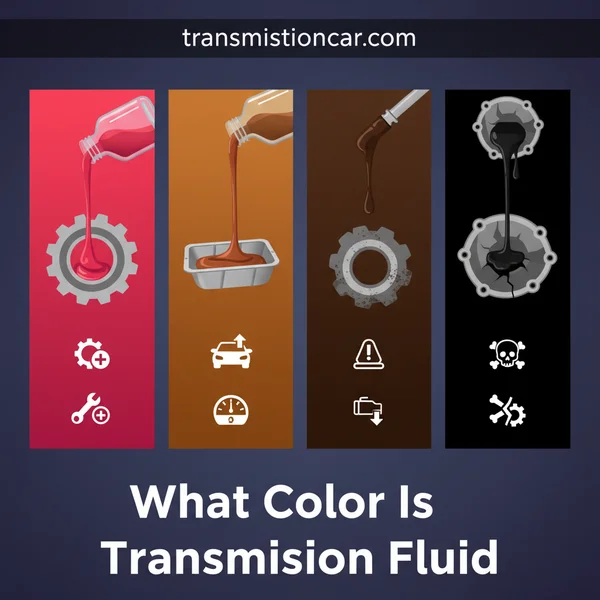
Bright Red to Translucent Pink: Brand New Health
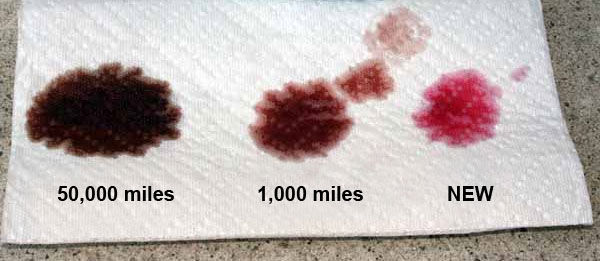
Fresh fluid is bright, cherry red, and clear enough to see through when dripped onto a white paper towel. This color is caused by a specific dye added by manufacturers to help you distinguish it from engine oil or coolant. At this stage, the fluid has its maximum viscosity and full additive package. The detergents and anti-foaming agents are at 100% strength, providing the best protection for your gears and clutch plates.
Light Brown to Semi-Translucent: The Service Window
As you drive, the fluid is subjected to high temperatures and friction. Over time, it will naturally darken to a light brown or tan color. While this doesn’t mean your transmission is failing, it does mean the fluid is starting to oxidize. You should still be able to see the paper towel through the fluid. Most mechanics consider this the “yellow light” phase. If your fluid looks like this, it is the perfect time to schedule a fluid exchange before any permanent damage occurs.
Dark Brown to Opaque: The Warning Zone
When the fluid reaches a deep brown or “burnt orange” color and loses its transparency, it is officially worn out. At this stage, the fluid can no longer effectively manage heat or provide the necessary hydraulic pressure. You may notice slightly delayed shifts or a small decrease in fuel economy. The fluid is now carrying a significant load of microscopic metal shavings and friction material. Do not ignore this stage; the additives are depleted, and your internal seals are no longer being conditioned properly.
- Bright Red: Excellent condition; no action needed.
- Light Brown: Normal aging; plan for a fluid change soon.
- Dark Brown: Depleted additives; service the transmission immediately.
- Dark Brown with Grittiness: Advanced wear; have a professional inspection.
Warning Signs: Interpreting Dark, Burnt, and Milky Fluid Conditions
Sometimes the color change isn’t just about age. Drastic shifts in color or texture point toward specific mechanical failures. By looking closely at the fluid on your dipstick, you can often diagnose a problem before a mechanic even hooks up a scanner.
Black and Opaque: The Burnt Condition
If your fluid is jet black and you can no longer see any hint of red, your transmission is in trouble. This color is usually accompanied by a pungent, “burnt toast” smell. This indicates that the fluid has been scorched by extreme heat. Black fluid often contains heavy amounts of carbon and friction material from the internal clutches. If the fluid is black, a simple flush might actually cause more harm than good, as the thick debris might be the only thing providing enough friction for the worn clutches to grab.
Milky Pink or “Strawberry Milkshake”: Water Contamination
This is perhaps the most dangerous color for a transmission. If the fluid looks like a thick, opaque strawberry milkshake, water or engine coolant has entered the system. This usually happens when the internal tank of the radiator (the transmission cooler) cracks, allowing coolant to mix with the ATF. Water destroys the glue that holds the friction material to the clutch plates. If you see this color, stop driving immediately. This condition is often referred to as the “Strawberry Milkshake of Death” because it usually requires a total transmission overhaul.
Metallic Flakes and Shimmering Debris
While not strictly a “color,” the presence of glitter or metal flakes in the fluid is a critical diagnostic sign. Hold your dipstick in the sunlight. If the fluid shimmers or you see distinct silver or brass-colored flakes, your internal hard parts are grinding against each other. Small amounts of “dust” are normal for an older high-mileage vehicle, but visible flakes indicate that a bearing, gear, or pump is actively disintegrating.
- Black Fluid: Indicates overheating or burnt clutch plates.
- Milky/Foamy Fluid: Indicates coolant or water contamination (critical failure).
- Shimmering/Glittery: Indicates internal metal-on-metal wear or component failure.
- Bubbles/Foam: Indicates either too much fluid or the wrong type of fluid being used.
Texture and Debris: Identifying Metallic Flakes and Contaminants
While color is your first visual clue, the physical consistency of the fluid tells the rest of the story. If the fluid looks correct but feels “off,” you may still be facing internal transmission trouble. Healthy transmission fluid should always feel slick, oily, and consistent—never gritty, chunky, or thick like molasses. Paying attention to these tactile cues can help you spot a failing component long before a warning light hits your dashboard.
The Finger Test for Grittiness
One of the most effective ways to gauge fluid health is the “smear test.” By rubbing a drop of fluid between your thumb and forefinger, you can feel for impurities that are too small to see. If the fluid feels perfectly smooth, the internal components are likely well-lubricated. However, if you feel even a slight sensation of sand or grit, it is a major red flag. This texture usually indicates that the internal friction plates are disintegrating or that external dirt has bypassed the filtration system.
- Smooth and Oily: Signifies normal operation and healthy lubrication.
- Gritty or Sandy: Indicates internal component wear or high-mileage degradation.
- Thick and Gummy: Suggests severe oxidation; the fluid has “cooked” and lost its ability to flow through narrow valve bodies.
Spotting Shimmer and Sludge
Always inspect your fluid under a bright light or flashlight. Look for “glitter”—tiny metallic flakes that shimmer in the liquid. These flakes are actual bits of your gears or bearings wearing down. Additionally, watch out for a milky or frothy texture. If your fluid looks like a strawberry milkshake, you likely have a coolant leak. This happens when the internal seal of the radiator fails, allowing antifreeze to mix with the transmission fluid. This is a “stop driving” emergency, as coolant will quickly destroy transmission clutches.
Manufacturer Exceptions: When Non-Red Fluid is Actually Normal
For decades, the industry standard was simple: transmission fluid is red. While that still applies to the majority of traditional automatic vehicles on the road, modern engineering has introduced a variety of exceptions. Before you assume your fluid is contaminated because it isn’t cherry red, you must check your vehicle’s specific requirements. Using the wrong fluid “color” based on an assumption can lead to immediate shifting issues.
CVT Fluids and Specialty Synthetics
Continuously Variable Transmissions (CVTs) are increasingly common in modern sedans and SUVs, and they often use specialized fluids that look nothing like standard Dexron or Mercon. These fluids are engineered with unique friction modifiers and are frequently dyed light green, blue, or even a pale amber. For example, many Nissan, Honda, and Subaru CVTs use a fluid that appears translucent yellow or green right out of the bottle.
- Light Green or Blue: Common in modern CVTs to distinguish them from standard automatics.
- Golden or Pale Amber: Typical for many European brands and certain “sealed” lifetime systems.
- Clear: Some high-performance full-synthetic fluids lack dye entirely to maintain chemical purity.
The Evolution of European and Performance Fluids
European manufacturers like Mercedes-Benz, BMW, and Audi often use color-coded fluids to prevent technicians from mixing incompatible formulas. You might encounter deep blue or even violet fluids in high-end 7-speed or 9-speed gearboxes. These colors are intentional and signify specific viscosity levels required for those high-tech gears. Practical Tip: Always verify the “factory fill” color in your owner’s manual or check the dipstick handle, which often specifies the required fluid type.
Conclusion
Monitoring the color and texture of your transmission fluid is one of the easiest and most effective ways to prevent a total mechanical breakdown. By catching changes early—whether it’s a shift from red to dark brown or the appearance of metallic flakes—you can address minor wear before it turns into a multi-thousand-dollar replacement. Remember that while red remains the benchmark, modern CVTs and European imports often play by a different set of color rules.
Next Steps: Check your fluid levels monthly and take note of any darkening or burnt smells. If you notice a milky texture or heavy grit, consult a certified technician immediately. Staying proactive with these simple visual checks is the best way to keep your vehicle shifting smoothly for years to come!
💬 Quick Questions & Answers
What color is brand new transmission fluid?
Brand new Automatic Transmission Fluid (ATF) is almost always a translucent, bright red or pink.
Is it okay if my transmission fluid is brown?
Light brown is usually aged but acceptable; however, dark brown indicates it is time for a fluid change.
What does black transmission fluid mean?
Black fluid typically indicates the fluid is burnt and the transmission has experienced significant heat or internal wear.
Why is my transmission fluid pink and milky?
This is a sign of water or engine coolant leaking into the transmission, often called ‘strawberry milkshake’ contamination.
Are all transmission fluids red?
No; while most ATF is red, some specialized fluids for CVTs or European models can be blue, green, or amber.
❓ Frequently Asked Questions
Why do manufacturers dye transmission fluid red?
Manufacturers dye Automatic Transmission Fluid (ATF) red to help vehicle owners and mechanics easily distinguish it from other liquids like motor oil or coolant, making it simpler to identify the source of a leak.
Can I tell if my transmission is failing just by looking at the color?
Color is a strong indicator but not a definitive proof of failure. While black or milky fluid suggests major issues, a diagnostic scan and physical inspection for metal shavings are usually required to confirm mechanical damage.
What should I do if my transmission fluid is dark brown but the car drives fine?
If the fluid is dark brown but doesn’t smell burnt, it likely just needs a standard fluid exchange. This is considered preventative maintenance to prevent the fluid from degrading further and causing future damage.
What does it mean if I see shiny metallic flakes in the fluid?
Small amounts of microscopic ‘dust’ can be normal wear, but visible shiny flakes or chunks of metal indicate that internal components like gears, bearings, or clutches are physically disintegrating.
Is there a difference in color between manual and automatic transmission fluid?
Yes, manual transmission fluid is often a heavy gear oil that is naturally honey-colored or amber, whereas automatic transmission fluid (ATF) is a thinner liquid dyed bright red.
Why does my transmission fluid smell like burnt toast?
A burnt smell combined with dark fluid means the transmission has overheated. This chemical change reduces the fluid’s ability to lubricate and protect the moving parts, requiring immediate professional attention.