
Cvt Transmission Fluid Change Cost: Price Breakdown And Maintenance Factors


While the Continuously Variable Transmission (CVT) offers unmatched fuel efficiency and smooth acceleration, its longevity is entirely dependent on the quality and condition of its specialized lubricant. Many drivers are blindsided by the unique maintenance requirements and costs of CVT systems compared to traditional planetary gear transmissions, often assuming a “lifetime fluid” claim means no service is required. This comprehensive guide provides an authoritative breakdown of CVT transmission fluid change costs, the factors that dictate professional pricing, and why this specific maintenance interval is non-negotiable for vehicle reliable operation and long-term durability.
Average CVT Transmission Fluid Change Cost and Component Pricing

📤 Share Image
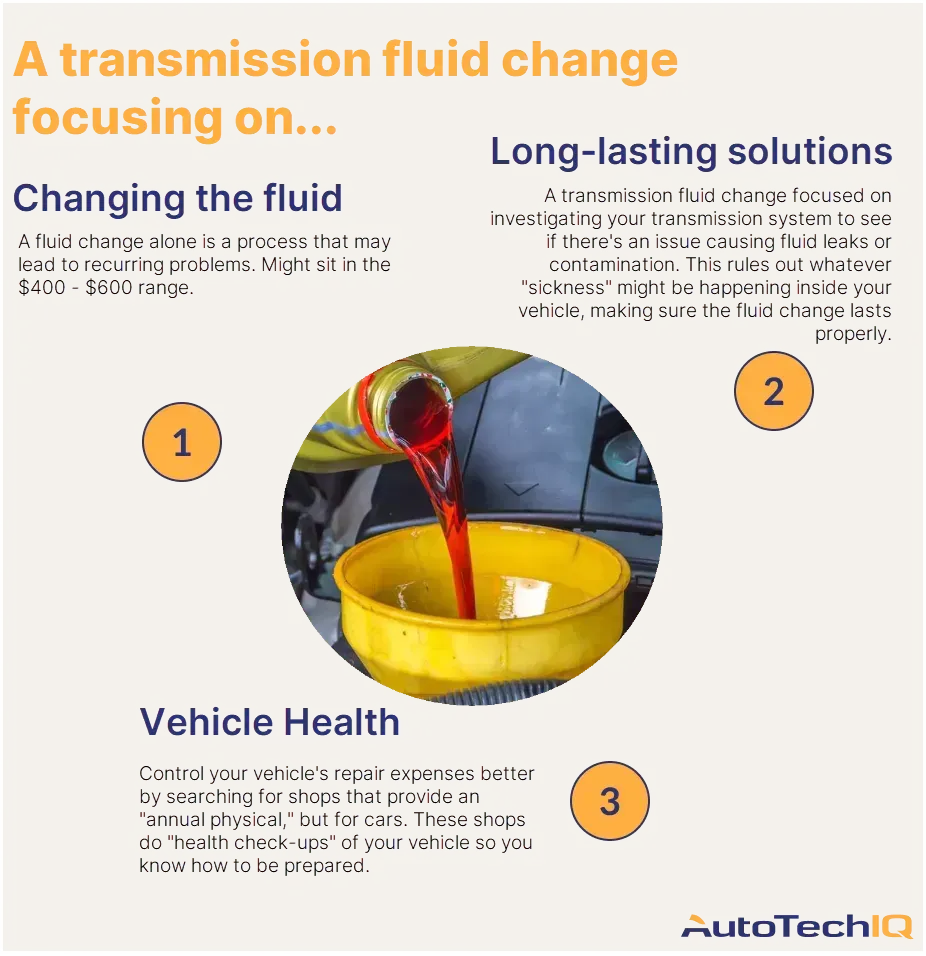
Navigating the financial landscape of CVT maintenance requires an understanding of what actually goes into the invoice. Unlike traditional Automatic Transmission Fluid (ATF), CVT fluid is a highly engineered traction lubricant designed to facilitate friction between a metal belt and smooth pulleys while simultaneously lubricating bearings. This dual-purpose nature is why quality CVT fluids command a premium price point.
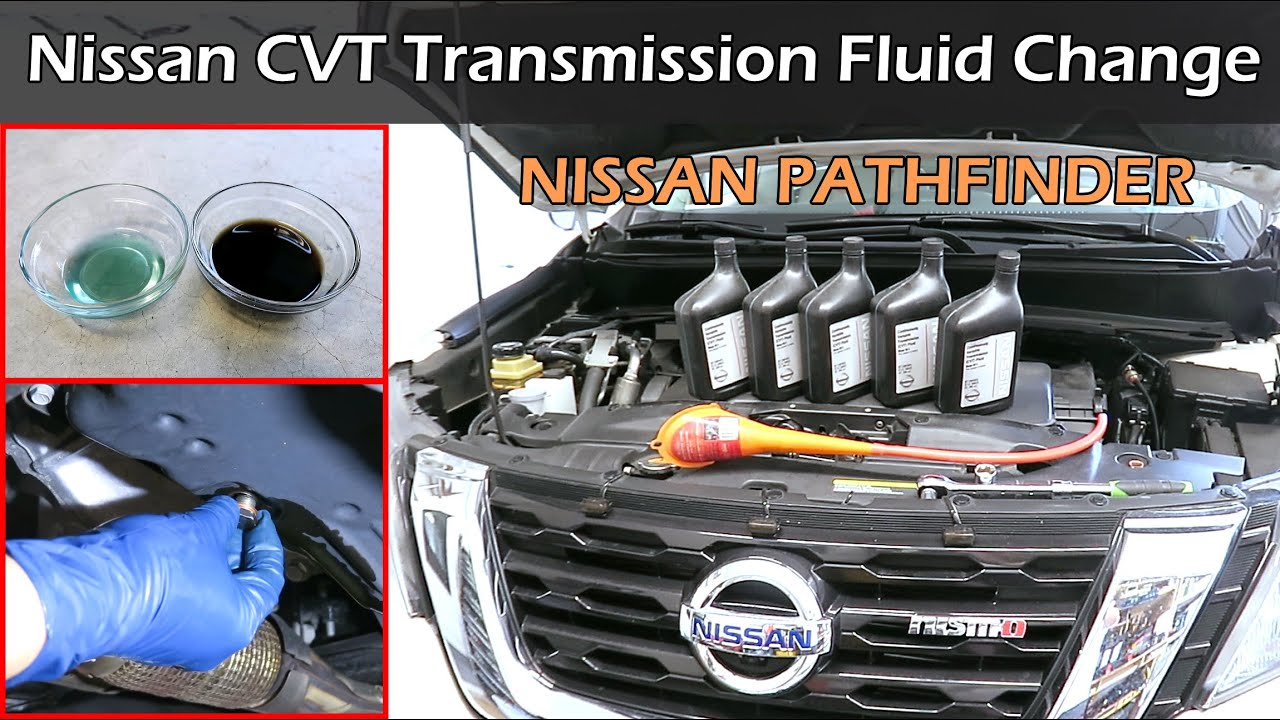
A typical complete service involves between 5 to 8 quarts of fluid. Genuine OEM (Original Equipment Manufacturer) fluids, such as Honda HCF-2 or Nissan NS-3, generally retail between $15 and $30 per quart. When you factor in the professional-grade filters and specialized gaskets, parts alone often account for nearly 50% of the total bill. In my experience, attempting to save $40 by using a sub-par “universal” fluid is the most common precursor to premature belt slippage.
Labor rates are the second major variable. A standard “drain and fill” is relatively straightforward, but a comprehensive service—dropping the pan to replace the internal screen and external high-pressure filter—requires significantly more time. Reliable shops will charge based on a nationwide average labor rate of $80 to $160 per hour, depending on the complexity of the specific transmission housing.
Factors Influencing Your CVT Transmission Fluid Change Cost
The “sticker price” for a CVT service can vary wildly based on several technical and geographic factors. As an expert technician, I’ve seen invoices fluctuate by hundreds of dollars based on nothing more than the badge on the trunk or the city where the shop is located.
1. Vehicle Make and Model Specifics
The engineering philosophy of the manufacturer dictates the difficulty of the service. For example, a Toyota Corolla typically features a simplified drain plug and accessible fill port. Conversely, a Subaru Lineartronic CVT often requires more labor time because the fill plug is located in a tighter space near the exhaust, and the fluid level must be checked within a very narrow temperature window using a scan tool. High-performance or luxury brands like Audi or Lexus utilize proprietary lubricants with specific friction modifiers that can drive service costs 30-50% higher than economy counterparts.
2. Depth of Service and Accessibility
A “fluid exchange” using a machine may cost less in labor but doesn’t address the debris trapped in the filters. A trusted professional will recommend a manual pan drop. This includes:
- Cleaning the internal magnets that collect metallic wear particles.
- Replacing the primary filter/screen and the secondary cartridge filter (if equipped).
- Inspecting the pan gasket for leaks and cleaning the external oil cooler.
Vehicles that lack a traditional dipstick require a specialized pump and an OBD-II scan tool to monitor the Transmission Control Module (TCM) data stream, ensuring the fluid is leveled at exactly 104°F to 113°F (varying by manufacturer). This precision adds to the labor clock but is essential for preventing aeration.
Never follow the “lifetime fluid” interval if you plan to keep your vehicle past 100,000 miles. In the automotive industry, “lifetime” typically refers to the life of the warranty (60k-100k miles), not the life of the car. Change your CVT fluid every 45,000 miles for maximum longevity.
Why Investing in Professional CVT Maintenance Prevents Expensive Failures
A CVT is a masterclass in friction management. Unlike a geared transmission that uses physical teeth to lock power, a CVT relies on the “stiction” between a steel belt and smooth pulleys. If the fluid loses its quality or the viscosity breaks down, that belt begins to slip. Once slippage occurs, it creates microscopic scores on the pulley faces, eventually leading to a total mechanical failure.
By The Numbers: CVT Failure Risks
Failures due to fluid breakdown
Average CVT replacement cost
Consider the case of a Nissan Altima owner. Nissan CVTs have historically been sensitive to heat. By spending $200 on a regular 30,000-mile fluid interval, the owner ensures that the fluid’s heat-dissipation properties remain intact. Over 70% of CVT failures are attributed to fluid overheating or a lack of lubrication due to viscosity shear over time. Professional-grade synthetic CVT fluids are engineered to operate within a specific temperature range (usually 160-200°F); every 20-degree increase beyond this can halve the fluid’s life.
Furthermore, maintaining reliable service records is vital for warranty compliance. If your transmission fails at 55,000 miles and you cannot prove the fluid was serviced (or checked) by a professional, the manufacturer may deny your powertrain warranty claim. A small investment today secures a multi-thousand-dollar asset for tomorrow.
Warning Signs That Indicate an Immediate Need for Fluid Service
Waiting for a dashboard light can often be a “too late” scenario for CVTs. You must be proactive in identifying the sensory cues that suggest your fluid is no longer providing adequate protection. If you notice any of the following, consult a trusted expert immediately.
Audible Whining
A high-pitched buzzing or “drone” that increases with engine RPM often signals that the fluid has thinned out and is failing to lubricate the pump or bearings.
The “CVT Shudder”
Feeling a “lurch” or hesitation during low-speed acceleration (often 10-20 mph) indicates improper fluid pressure or aeration within the valve body.
Visual and olfactory inspections are equally critical. If your vehicle has a dipstick, the fluid should appear translucent with an amber, green, or blue tint (depending on the brand). If it is dark brown, black, or has a distinct “burnt toast” odor, the fluid’s thermal capacity has been exceeded. Additionally, be wary of OBD-II codes like P0700 (General Transmission Control System) or P0841 (Transmission Fluid Pressure Sensor). These often trigger when degraded fluid can no longer maintain the hydraulic pressure required to move the pulleys.
DIY vs. Expert CVT Fluid Service: Risk and Cost Analysis
The temptation to save $150 in labor by performing a DIY fluid change is significant. However, the comprehensive nature of a CVT service makes it one of the most high-risk DIY projects for a backyard mechanic. Unlike an oil change, the margin for error with a CVT is razor-thin.
✅ Pros of Professional Service
- TCM Deterioration Reset
- Precise Temperature-Leveling
- Waste Fluid Disposal included
- Warranty-backed Parts/Labor
- Expert inspection of debris
❌ Cons of DIY Service
- Risk of “Limp Mode” events
- Fluid compatibility errors
- Cost of specialized pumps
- No access to scan tool data
- High risk of overfilling/foaming
One of the most critical steps a professional technician performs is the Transmission Control Module (TCM) reset or the “fluid deterioration counter” reset. Modern Nissan and Mitsubishi CVTs actually adjust internal hydraulic pressures based on how “old” the computer thinks the fluid is. If you change the fluid but don’t reset the counter, the transmission may continue to operate at pressures intended for old, degraded fluid, leading to poor shift quality and accelerated wear.
Overfilling or underfilling a CVT by even half a quart can be catastrophic. Underfilling leads to pump cavitation (air bubbles), while overfilling causes the fluid to hit the rotating assemblies, creating foam. Foamed fluid cannot hold pressure, leading to instant belt slippage and permanent damage.
Expect to spend at least $100 on specialized tools (fluid pumps, infrared thermometers, and high-quality jack stands) if you choose the DIY route. When compared to the $150-$200 labor fee at a reliable independent shop, the “savings” are minimal compared to the peace of mind that comes with a professional verification of your transmission’s health.
Conclusion
Maintaining a CVT requires a shift in mindset from traditional vehicle ownership. While the CVT transmission fluid change cost of $150 to $400 may seem high for a routine service, it is a negligible expense when compared to the $4,000+ cost of a total transmission replacement. By prioritizing quality OEM fluids, adhering to a 30,000 to 60,000-mile service interval, and trusting the precision of expert technicians, you ensure that your vehicle remains reliable for years to come. Always prioritize synthetic fluids that meet your manufacturer’s exact specifications to maintain the precise friction coefficients required by the CVT belt and pulley system. Consult with a trusted, professional technician today to schedule a fluid inspection and ensure your CVT remains in peak operating condition.
Frequently Asked Questions
How often should I pay for a CVT fluid change?
Most expert technicians recommend a CVT fluid exchange every 30,000 to 60,000 miles. While some manufacturers claim ‘lifetime’ fluid, real-world driving conditions—such as stop-and-go traffic or towing—cause thermal degradation. Paying for a professional fluid change at these intervals significantly reduces the risk of belt slippage and mechanical wear.
Why is CVT fluid more expensive than regular transmission fluid?
CVT fluid is a highly specialized lubricant engineered to provide both lubrication for bearings and high friction for the metal belt-to-pulley interface. Unlike standard ATF, it must prevent metal-on-metal sliding while resisting extreme shear forces. This complex chemical composition requires higher quality synthetic base stocks and additives, leading to a higher price point.
Can I use universal transmission fluid in my CVT to save money?
Using universal or incorrect fluid is a high-risk error that can lead to immediate transmission failure. CVTs require specific friction modifiers to ensure the belt grips the pulleys correctly. A professional, reliable shop will only use fluids that meet or exceed OEM specifications like Nissan NS-3 or Honda HCF-2 to protect your investment.
Does a CVT fluid change include a filter replacement?
A standard fluid change often focuses on a ‘drain and fill,’ but a comprehensive professional service should include the external high-pressure filter and, in some cases, the internal pan strainer. Including these components in your service may increase the cost by $50 to $100 but is essential for removing fine metallic debris from the system.
Will a fluid change fix a CVT that is already slipping?
If a CVT is already experiencing significant slippage or mechanical shuddering, a fluid change is rarely a cure. Fluid service is a preventative measure designed to maintain healthy components. While fresh fluid may temporarily improve shift quality, significant mechanical symptoms usually indicate internal wear that requires a more intensive professional diagnosis or transmission rebuild.
