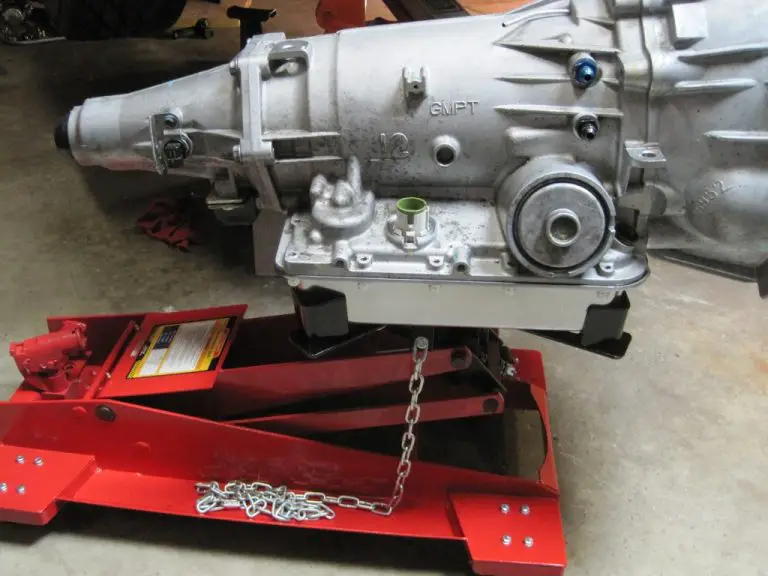
Where is the Transmission Solenoid Located

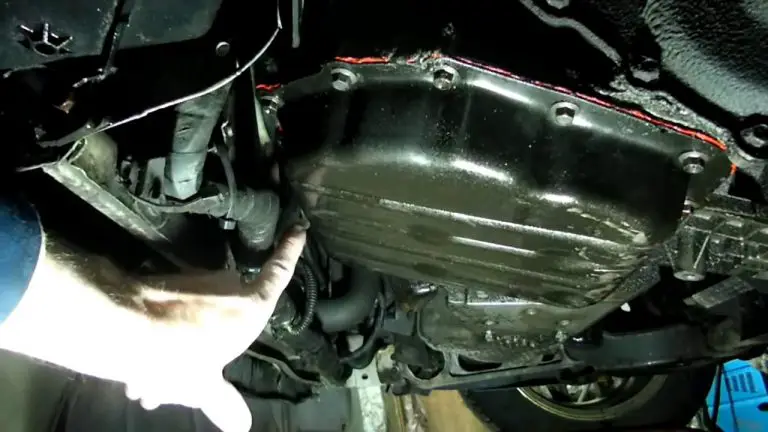
The transmission solenoid is typically located inside the transmission casing near the valve body, which is usually at the front of the transmission. In some cases, it can be found on or near the side of the transmission as well. Generally speaking, it will be mounted to a bracket so that it remains in place … Read more

Can a Bad Abs Module Cause Transmission Problems

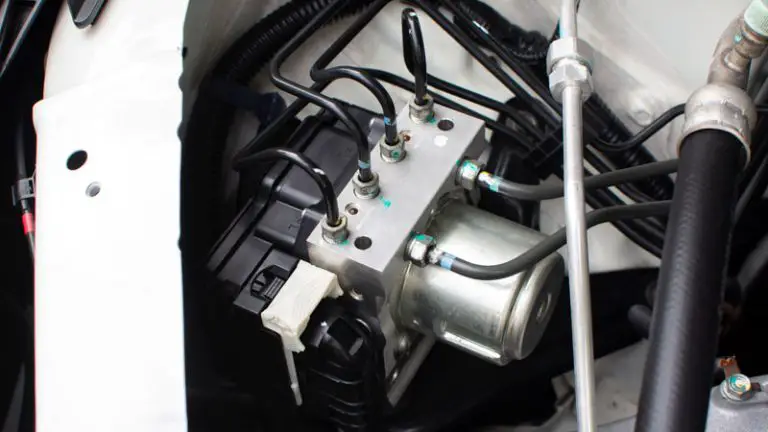
Yes, a bad ABS module can cause transmission problems. The Anti-lock Braking System (ABS) monitors the speed of each wheel and adjusts the braking pressure in order to prevent wheel lockup or skidding during sudden stops. If the ABS module is faulty, it may misinterpret data from its sensors and send incorrect signals to other … Read more

Can I Drive With a Slipping Transmission

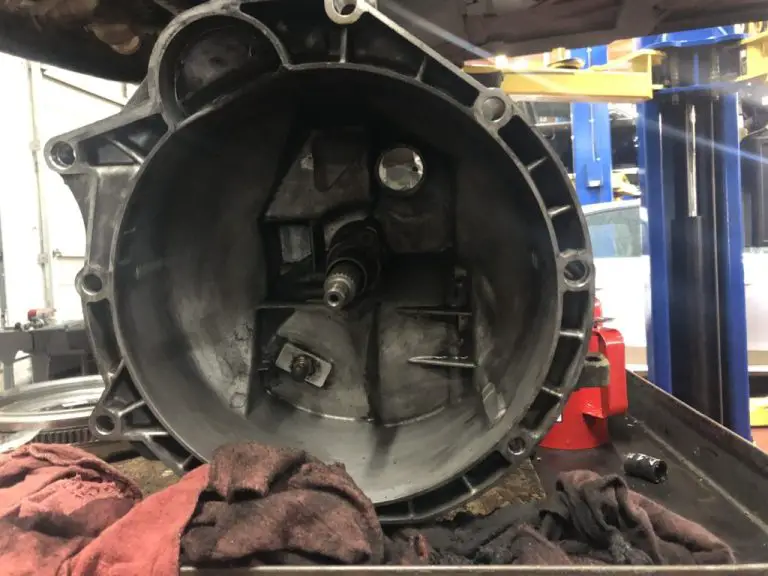
No, you should not drive with a slipping transmission. A slipping transmission is a sign of significant mechanical issues and can cause further damage if driven for too long. If your car’s transmission slips, it means the gears are unable to shift properly and will slip in and out of gear as you accelerate or … Read more

What Does Transmission Over Temp Mean

Transmission Over Temp means that the temperature of the transmission fluid in a vehicle is too high, usually indicating an issue with the cooling system. The transmission fluid acts as a lubricant for the gears and other components within the transmission, but can become overheated if there are any problems with airflow to cool it … Read more

During Which Step of the Early Transmission Model of Communication Do You Select a Medium?

The selection of a medium is done during the third step of the Early Transmission Model, which is known as “encoding.” This step involves taking the information that needs to be communicated and translating it into words or symbols that can be sent through a communication channel (such as verbal speech, writing, signs, etc.). During … Read more

What Kind of Transmission Fluid Does a 4L60E Take

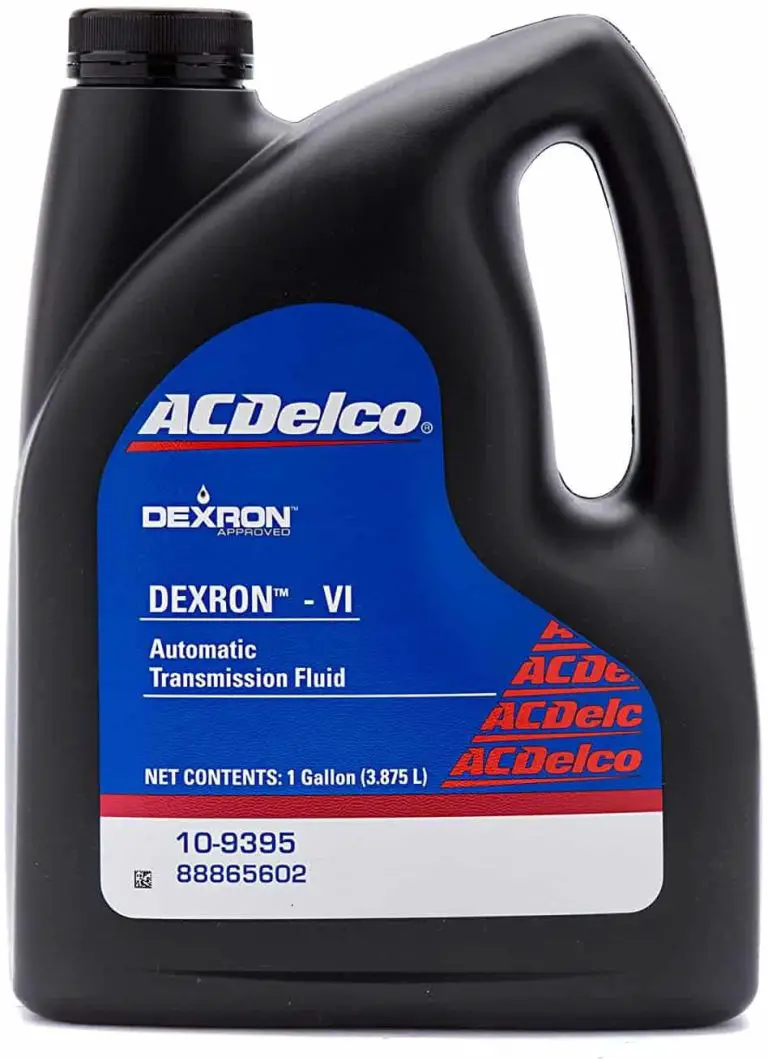
The 4L60E transmission uses Dexron III or Mercon automatic transmission fluid. It is important to check the owner’s manual for specific recommendations and use the exact type of fluid specified, because different fluids are designed for different transmissions and can damage a transmission if used incorrectly. Depending on manufacturer, Dexron III may be referred to … Read more

How to Tell If Hydrostatic Transmission is Bad

Hydrostatic transmissions are a common type of drive system used in commercial and industrial equipment. They’re very reliable, but they can still fail over time due to wear or damage. If you suspect your hydrostatic transmission is bad, there are several signs to look for. One symptom is difficulty shifting between forward and reverse; if … Read more

How Much Does a 4L60E Transmission Weigh

The weight of a 4L60E transmission depends on the year it was manufactured. Generally, the weight ranges from 120-140lbs (54 – 64 kg). For example, a 1994 4L60E weighs between 118 and 126 lbs (53.5 – 57kg), while a 2009 model weighs about 140 lbs (64 kg). The 4L60E is an automatic transmission used by … Read more

Honda Civic Cvt Transmission Fluid Change Interval

Honda recommends changing the CVT transmission fluid on all Civic models at least every 60,000 miles. If your Civic is driven in severe conditions such as stop-and-go city driving, towing or frequent short trips, Honda suggests shortening the interval to 30,000 miles. The service involves draining and refilling the transmission with genuine Honda CVT transmission … Read more

Automatic Transmission Jerks When Slowing down

Automatic transmission jerks when slowing down could be caused by a variety of issues. The most common cause is low fluid levels or dirty/contaminated fluid. Low levels can lead to slipping gears, which will cause the car to jerk as it shifts into lower gear ratios while slowing down. Dirty or contaminated fluid can also … Read more